Unscored
YOUR NEXT GOOD READ
The reading room
Less scrolling. More of what stays with you.
Fresh reads, every morningUpdated 2026-11-06 · Some sources unavailableNew reads are ready ↗
786 articles in this viewNewest first
282 articles have earlier recommendations. Review older results ↗

The Density Thesis: You Don’t Need More Time. You Need Better Rooms.
Available to read · Not scored yet
Unscored
Unscored

Unscored

Unscored
The Talent Gold Mine: How Exceptional People Are Made
Available to read · Not scored yet
Unscored

Unscored
Unscored
Unscored
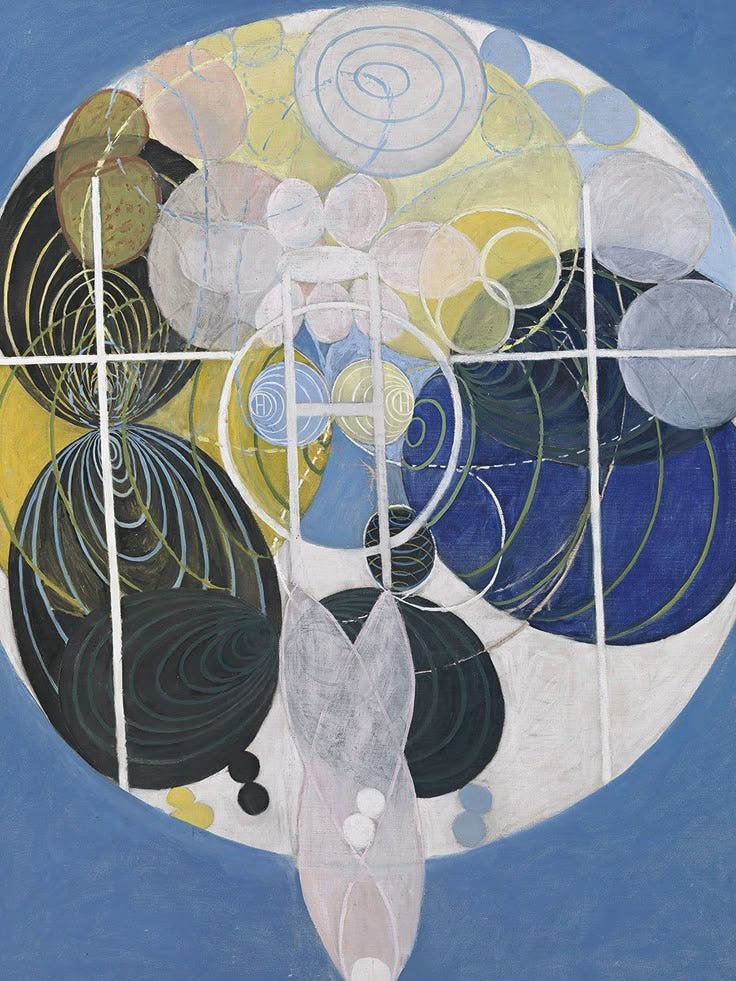
Proof of life—and design everywhere
✧ The article showcases a detailed, reflective exploration of design, architecture, folk art, and creative work through the author's personal...
The article showcases a detailed, reflective exploration of design, architecture, folk art, and creative work through the author's personal experiences and specific examples such as the Ray Kappe house, NAMELESS Art + Design Show, and collaborations between Martha Graham and Isamu Noguchi. This aligns well with the preference rule's emphasis on thoughtful essays about agency and how people build a life, including creative work and attention. The piece offers original insights and nuanced reflection rather than generic commentary or hype. The prose is clear and distinctive, blending personal narrative with substantive cultural and historical analysis, fitting the preferred themes and style well.
Like

Buying Futures, Renting the Past: How Speculation and Nostalgia Became the Economy
Available to read · Not scored yet
Unscored
searching for your life's work is a multi-turn endeavor
✧ The article thoughtfully explores the theme of searching for one’s life work as a progressive, iterative process grounded in real experience,...
The article thoughtfully explores the theme of searching for one’s life work as a progressive, iterative process grounded in real experience, which closely aligns with the reader's preference for essays on agency, feedback loops, and finding one's craft. It provides concrete examples like the Slack pivot and Olympus' transformation, illuminating mechanisms of change and adaptation. The reflective prose is clear and distinctive, offering a nuanced argument about embracing small pivots rather than radical changes, which adds intellectual substance beyond generic advice. The piece also touches on themes of attention, self-honesty, and the complexity of personal and professional development, resonating well with the preferred exploration of how people build lives through learning and feedback. This depth, specificity, and style conform well to the reader’s evaluative criteria.
Love