The Density Thesis: You Don’t Need More Time. You Need Better Rooms.
Intensity compounds. Exposure doesn't.
By Jack Cantillon, co-founder and Partner at Green Room. I’m a Dublin-based first-cheque investor. We back Europe’s most exceptional individuals before they become founders.
Technology has a mafia issue. Not the kind that needs solving, but the kind worth replicating.
When high-agency, ambitious individuals are placed in a high-collaboration environment for an intense, compressed period, something disproportionate happens to their trajectories. They create a dense node of outlier talent. The PayPal Mafia is the cliché example, but the data is hard to argue with: Elon Musk, Peter Thiel, Reid Hoffman - a whole collective launched from the same room.
The technology industry is only just catching up to what elite sport figured out long ago (which I wrote about last week). The peer group, or “room”, matters more than almost anything in a founder’s development.
I’ve examined some of the more interesting findings so you’ll learn:
why traditional venture remains blind to it,
the compounding logic of intensity over tenure,
why the best founders keep choosing progressively harder (or more ambitious) rooms, and
what it means for building the next generation of talent outside San Francisco.
Yesterday’s Venture Playbook
Most funds say they back founders. The reality is often different.
The VC parody: They schedule a 30-minute call. They ask for a deck. They decide on your potential through a screen, based on how well you compress years of obsession into twelve slides and answer a few rapid-fire questions.
Founder-first? It might be better described as pattern-matching on presentation skills.
The founders who build globally ambitious companies rarely look the part on the team slide. They’re weird about specific problems. They think in ways that don’t fit cleanly into a TAM calculation. The thing that makes them exceptional is almost impossible to see from the outside - until you spend real (non-pitch) time with them.
Yes, that may mean more work for VCs. But it’s a deeper, more effective, and more rewarding grind.
Intensity Over Tenure
That’s my argument for density. Not mentorship programmes. Not demo days. Not another Slack channel. Actual time in the same room. Eating the same food. Watching how someone operates when things break, when the idea shifts, when they’re tired but still can’t stop thinking about the problem.
We’ve seen this in the arts for decades. What do Ryan Gosling and Justin Timberlake, Ben Affleck and Matt Damon, Oliver Hudson and Rashida Jones, Jamie Dornan and Eddie Redmayne have in common, apart from successful careers? They were all housemates before fame.
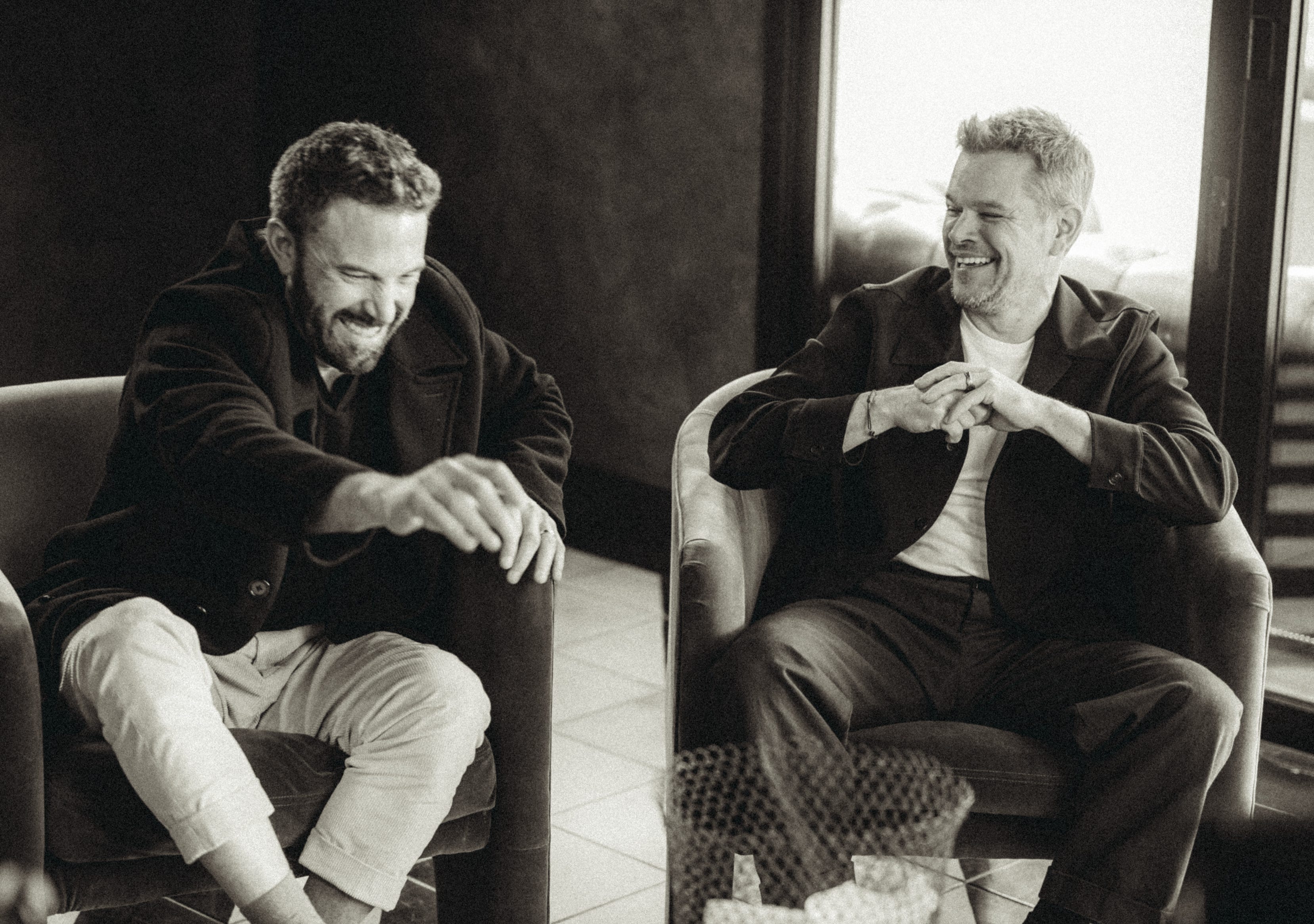
Density of experience changes people. Three months living and working alongside the right group will do more than ten years of performance reviews. The conversations that matter don’t happen on the agenda. They happen at the end of the day, when everyone’s guard is down.
The proof is in my phone. My most active startup WhatsApp group isn’t an investor channel or a founder community I paid to join. It’s my Entrepreneurs First cohort from 2021. EF is a talent investor. They back exceptional individuals before they have a co-founder or even an idea, put them in a room together, and let pressure and time constraints do the work.
The companies we built there didn’t all survive (mine didn’t). The group chat did. People I spent a few months with under genuine pressure, years ago. That’s what compressed intensity does to relationships.
Exposure Is Not Enough
Here’s what people often get wrong. They think exposure is enough.
What compounds is the repeated act of seeking discomfort: entering a room, pushing to its edges, and leaving before it becomes comfortable. You shouldn’t become a hackathon icon. You shouldn’t be the GOAT of accelerator participants. An Olympic gold medallist doesn’t stop at a personal best. They treat it as a target to break in every race, a moving target without end. It graduates them relentlessly into harder experiences because they know their trajectory and ambition demand it.
The best founder journeys show this.
They might start at a hackathon or founder weekend. Progress that kernel of an idea to a hacker house and live with a group of technical founders working on separate projects under the same roof.
The best don’t stop there.
We invested in a company this quarter as their first cheque. The founders met in a hacker house in San Francisco and paid for it by completing bounties for other startups. When they returned to Dublin, they didn’t just rent an office. They took a house too, creating an immediate landing spot to attract Europe’s best young technical talent to their mission of ending the software era.
The Room Starts Earlier Than You Think
This thinking doesn’t wait for the workforce.
The Immersive Software Engineering degree at the University of Limerick in Ireland, funded by John and Patrick Collison, was designed to become one of the world’s most talent-dense software engineering programmes.
I’ve been lucky enough to guest lecture there, and I can attest that the density of curiosity and agency is unique.
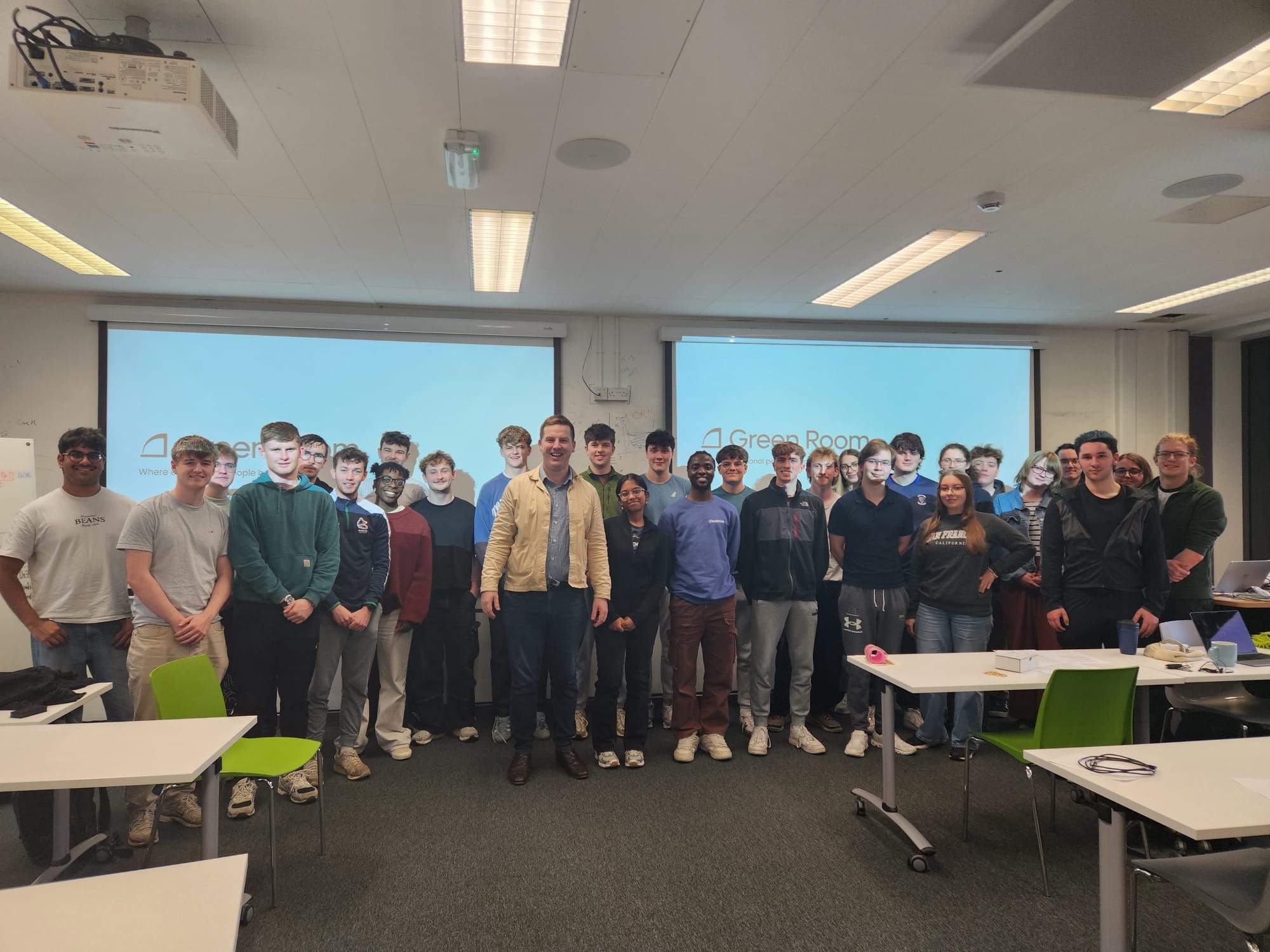
Students spend half their time being paid to solve some of society’s toughest problems in the world’s best companies, and half their time learning from the best. Students don’t move between classrooms. Lecturers come to them. They complete up to five industry placements across their degree. Holidays are shortened to mirror professional life.
The point isn’t to simulate intensity. It’s to create it before anyone asks you to.
The Market Is Catching Up
Alexander Hamilton may have rapped about the importance of being in the room where it happens, but venture capital took 250 years to catch up.
Y Combinator was probably the first to act on it. Now a16z, the world’s largest venture capital firm, has launched the Alpha Fellowship, backing exceptional technical talent before there’s a company. Eight weeks in person. No pitch deck required.
They’re betting on the room before the company exists.
Some are going further than creating the room. They’re optimising it.
HF0, one of San Francisco’s most selective founder residencies, operates on the principle that breakthrough work requires removal from everyday distraction. Founders live together, eat together, and build together in a single building for twelve weeks. Meals, laundry, and logistics are handled so the only decision left is what to work on next. They use one-way glass walls and acoustic optimisation to create a physical and mental container, a digital cocoon in the real world.
The outside world doesn’t get in unless you invite it.
If You Can’t Be in San Francisco, Create Your Own Nano-SF
If you’re trying to build a technology scene outside San Francisco, you won’t do it by spreading people across a city and hoping they bump into each other. Your only chance is compression.
Make the room smaller. Make the intensity higher. If you’re in the middle of nowhere, make your house the centre of the universe.
The room matters. It always has. The question is whether you’re in the right one.