horror is for the girls
happy summerween to all of my spooky girls
i’ve loved horror for as long as i can remember.
as a kid, i was always drawn to ghost stories, haunted houses, urban legends, and anything that felt even remotely spooky. i loved japanese horror and checking out scary books from the library. i loved staying up too late watching things that probably terrified my parents far more than they terrified me. i still remember becoming completely obsessed with silent hill after watching it for the first time. the atmosphere, the fog. the ash falling from the sky. the empty streets, the siren. everything felt abandoned and haunted and strangely beautiful.
i had a similar experience with ringu. i was probably too young to be watching it, which is probably why it left such an impression on me. years later, i remember the feeling of those films more clearly than i remember most of their plots.
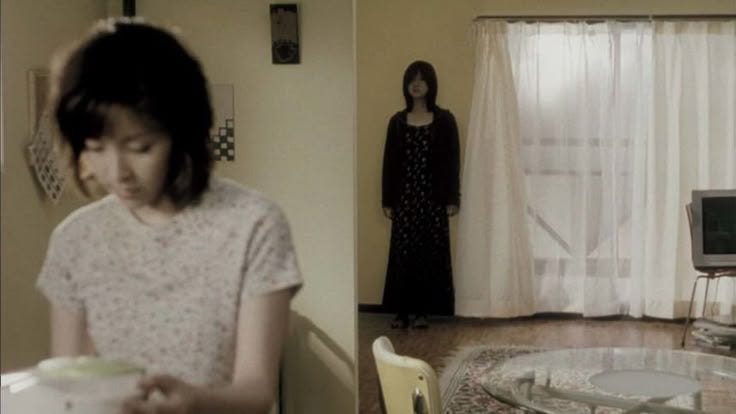
looking back, i don’t think i loved horror because i enjoyed being scared. i loved horror because it gave fear boundaries.
in horror, the danger is usually easy to pinpoint. it lives in the haunted house at the end of the road or in the sound coming from the basement. it wears a mask or emerges from the woods. it has a name, face, and set of rules. even when the threat is supernatural, there’s comfort in its specificity. you know where the danger is and what you’re up against.
real life doesn’t work that way.
and i suspect that’s part of why horror resonates so deeply with so many women. before most women encounter horror as a genre, they’ve already spent years learning how to navigate fear in ordinary life. horror doesn’t introduce fear so much as externalize it. it takes anxieties that are often vague, private, and difficult to articulate and transforms them into something they can see in real time. a ghost, witch, monster, haunted house. suddenly the thing that has been lurking at the edge of your consciousness has a shape.
i find comfort in that.
of course, there was a period of my life when horror stopped feeling comforting altogether.
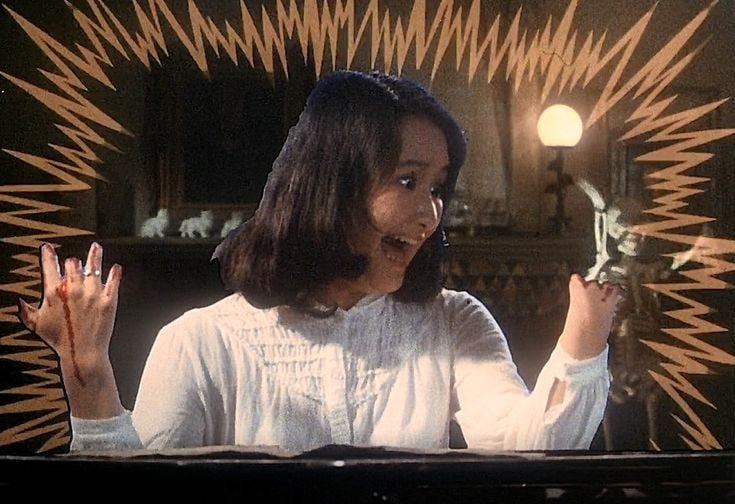
during covid, i could barely watch it. the world already felt terrifying enough. every day seemed to bring another headline, statistic, or reminder of how little any of us actually knew. there was so much uncertainty and anxiety that by the time evening arrived, the last thing i wanted was more fear, even fictional dread. for the first time in my life, horror took a back seat.
looking back, i think that period taught me that horror is not inherently therapeutic. sometimes it helps us process fear but sometimes our nervous systems are already carrying more than enough. there are seasons of life when a horror film can feel cathartic and seasons when it feels unbearable. both experiences are completely valid and normal.
at its best, horror offers a safe place to engage with difficult emotions. it gives shape to fears that are otherwise difficult to explain. it allows us to confront them, examine them, and sometimes even understand them a little better. most importantly, it reminds us that we are not the only people carrying them.
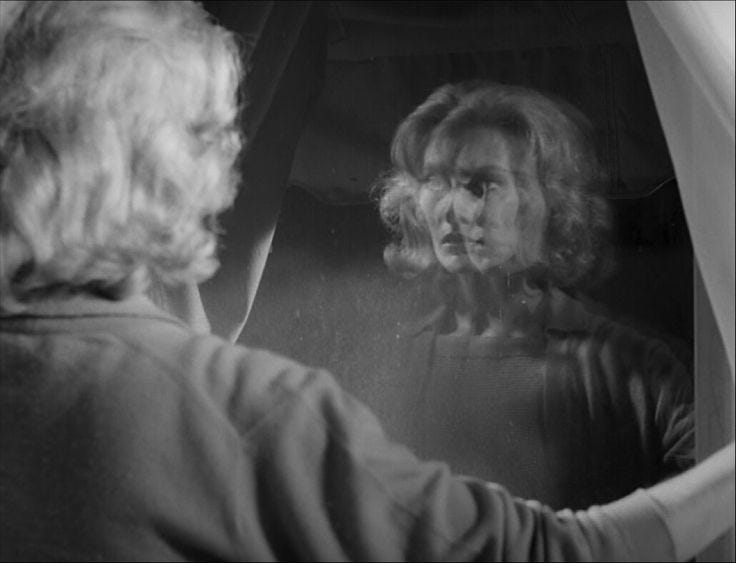
i think that’s also why i’ve always been drawn to films like house and suspiria. they’re horror films, but they’re also films that feel deeply interested in girlhood. they have deep throughlines with friendship, beauty, performance, jealousy, transformation, and all of the complicated dynamics that emerge when young women are placed together in a shared world. the horror doesn’t feel separate from those experiences. it grows directly out of them.
in many ways, that has always been one of horror’s greatest strengths. for a genre often dismissed as exploitative, horror has consistently returned to questions that are central to women’s lives. again and again, it asks what it means to live inside a body that can be watched, judged, controlled, desired, violated, transformed, or misunderstood. the supernatural elements may change from story to story, but the underlying concerns remain familiar.
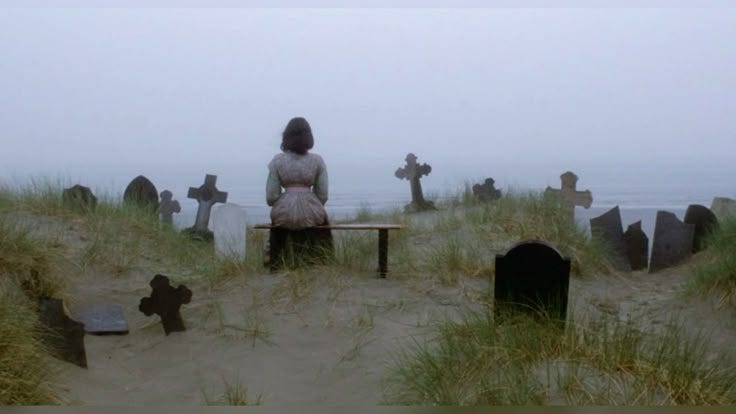
when i think about films like rosemary’s baby, i don’t primarily think about satanism. i think about a woman whose instincts are repeatedly dismissed by the people around her. when i think about the exorcist, i don’t first think about possession. i think about the terror of watching a young girl change in ways that neither she nor the adults around her fully understand. even suspiria, with all of its witches and violence and surreal imagery, is fundamentally interested in discipline, ambition, beauty, and the intensity of female spaces.
i guess that’s why horror has always resonated with so many women. beneath the monsters are stories about power, vulnerability, autonomy, desire, motherhood, friendship, and survival. take the shining.
when people talk about the shining, they usually talk about the hotel. the endless hallways. the twins. the elevators full of blood.
what i remember is wendy.
i remember a woman isolated from everyone she knows, trapped with a man whose moods are becoming increasingly unpredictable, trying to protect a child while nobody else can see what she sees.
suspiria takes place inside a ballet academy, but much of its tension comes from the feeling that every institution around its young women is concealing something from them.
what horror understands, perhaps better than any other genre, is that fear is physical.
and it lives in the body.
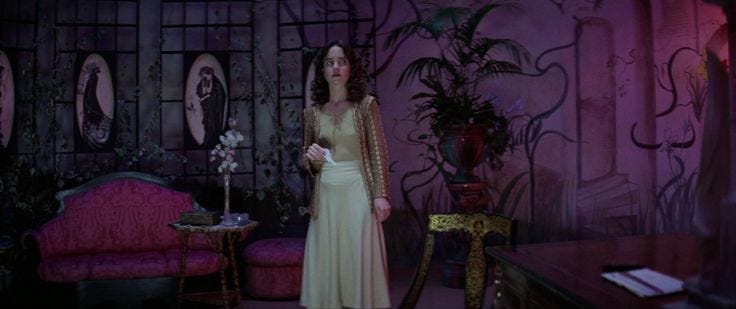
it takes fears women often carry and makes them impossible to ignore. for two hours, the dread belongs to something else. the monster carries it for you. and unlike real life, monsters can usually be defeated before the film ends.
the rest of this newsletter lives behind the paywall. i’m including all of my favorite horror books and films for you. i’m also including some misc horror pieces of art and media that i think you’ll love. thank you for being here and supporting my page.
(follow tiktok, youtube, ig, pinterest and spotify for more)