Anatomy of a Portrait
On capturing the people around you
Here’s some of my favourite pictures I took in the first couple of years after I decided to buy a camera:
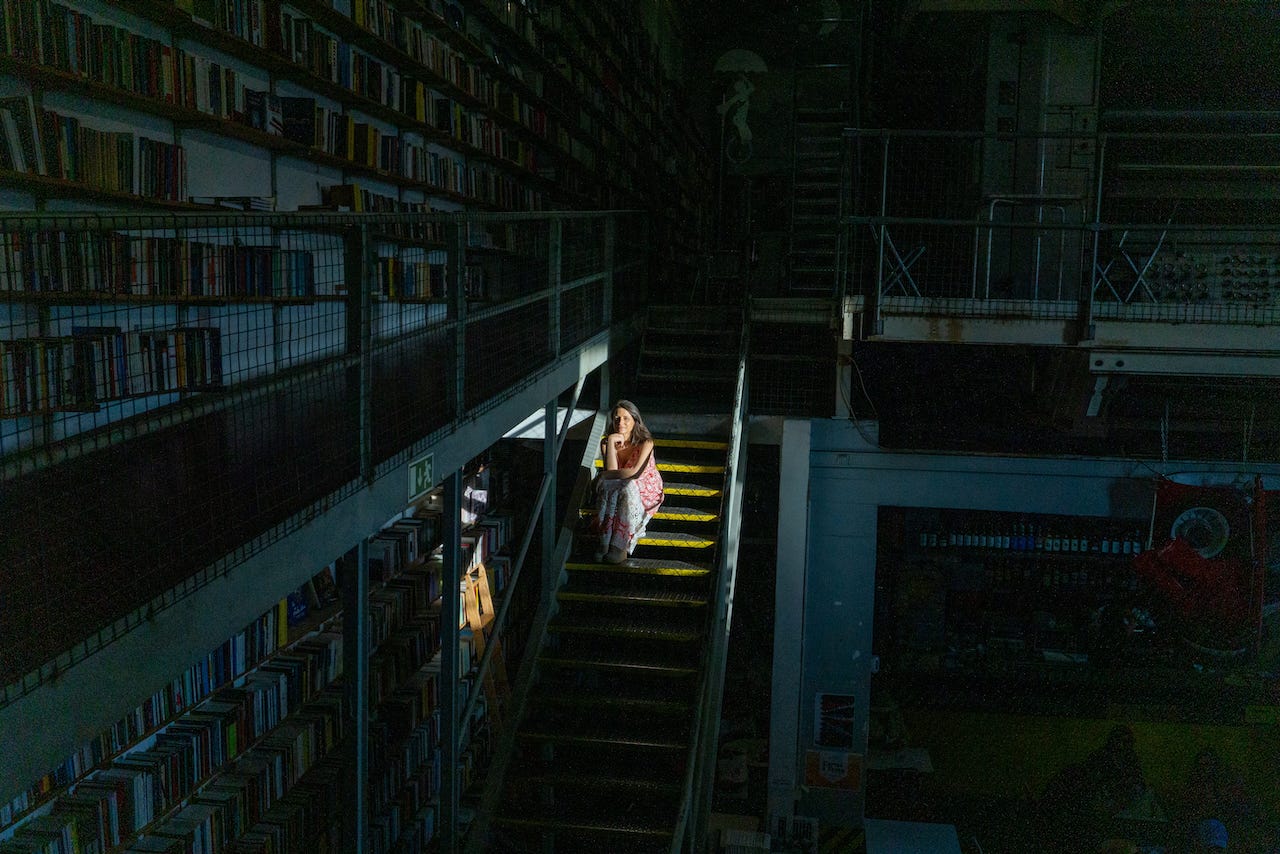
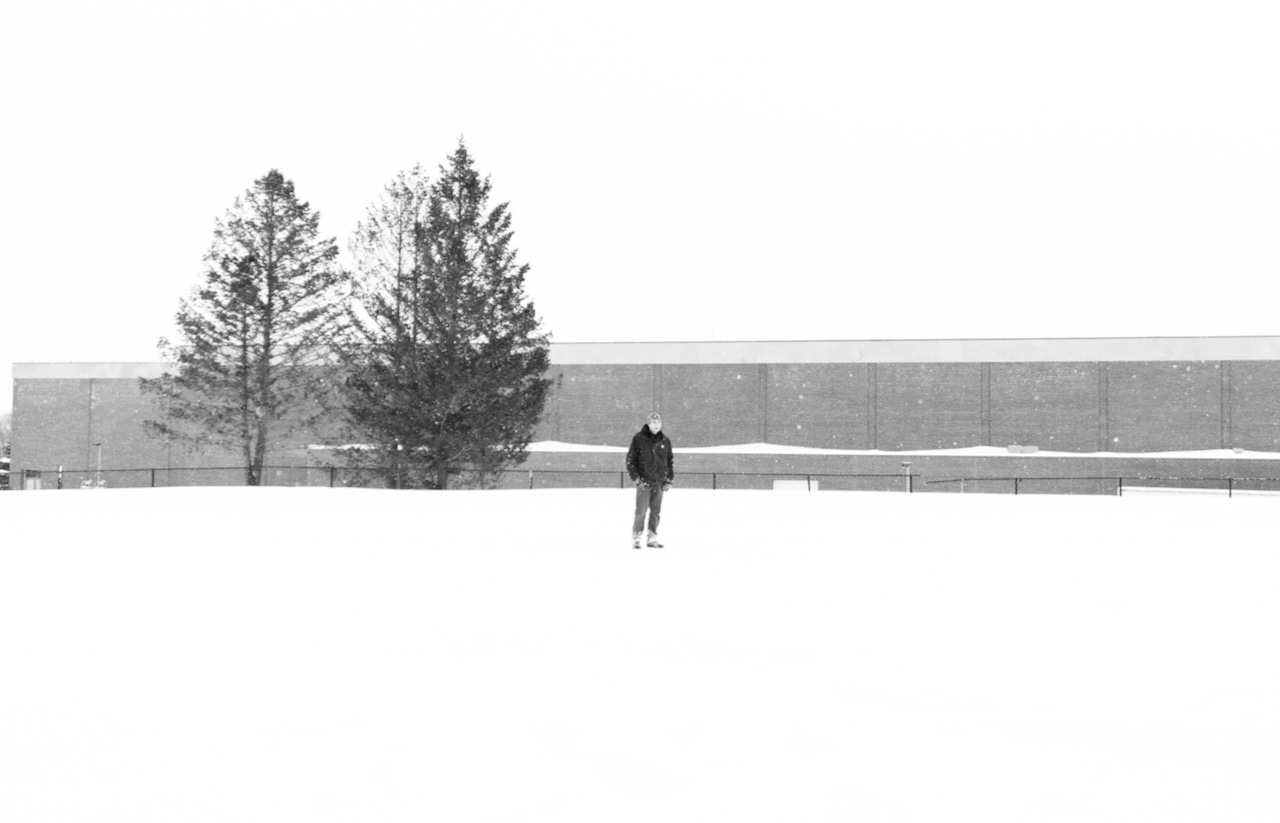
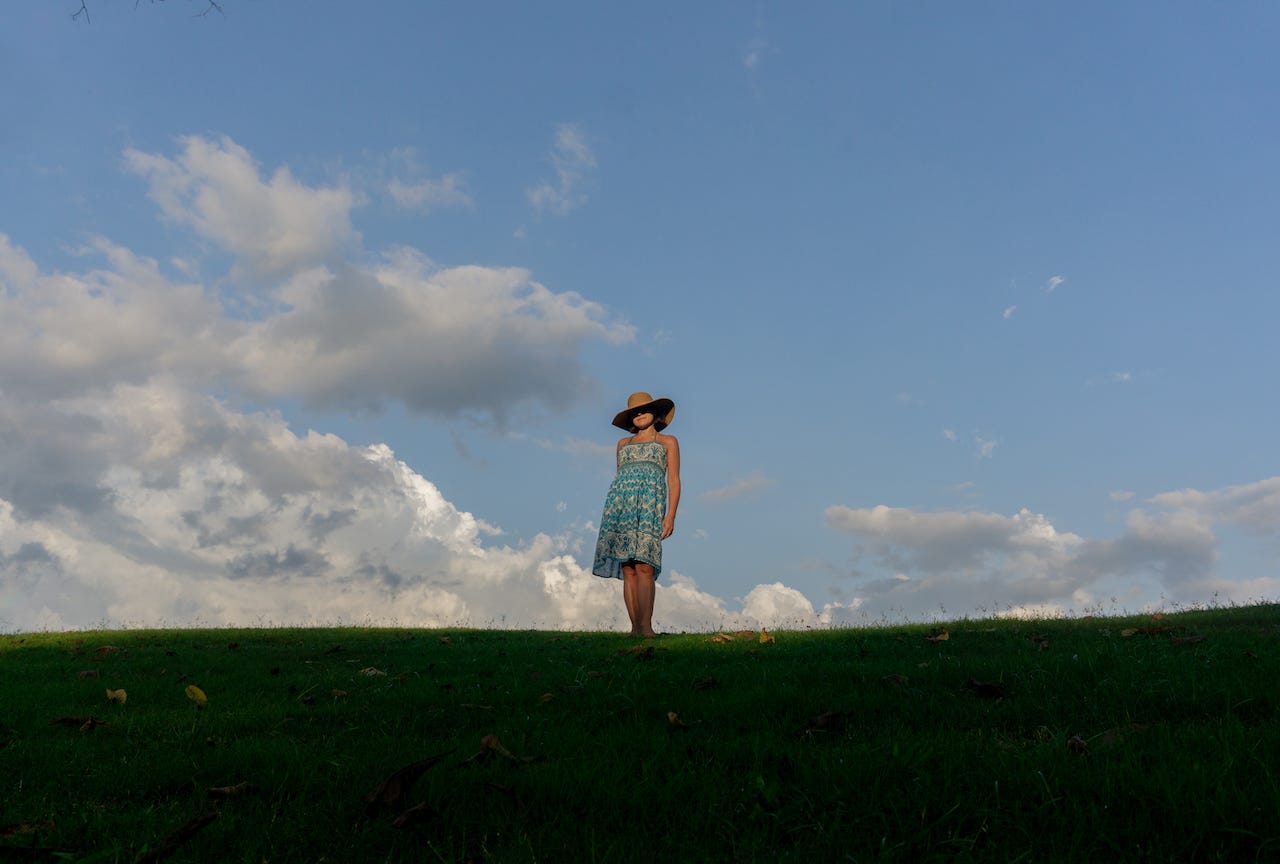
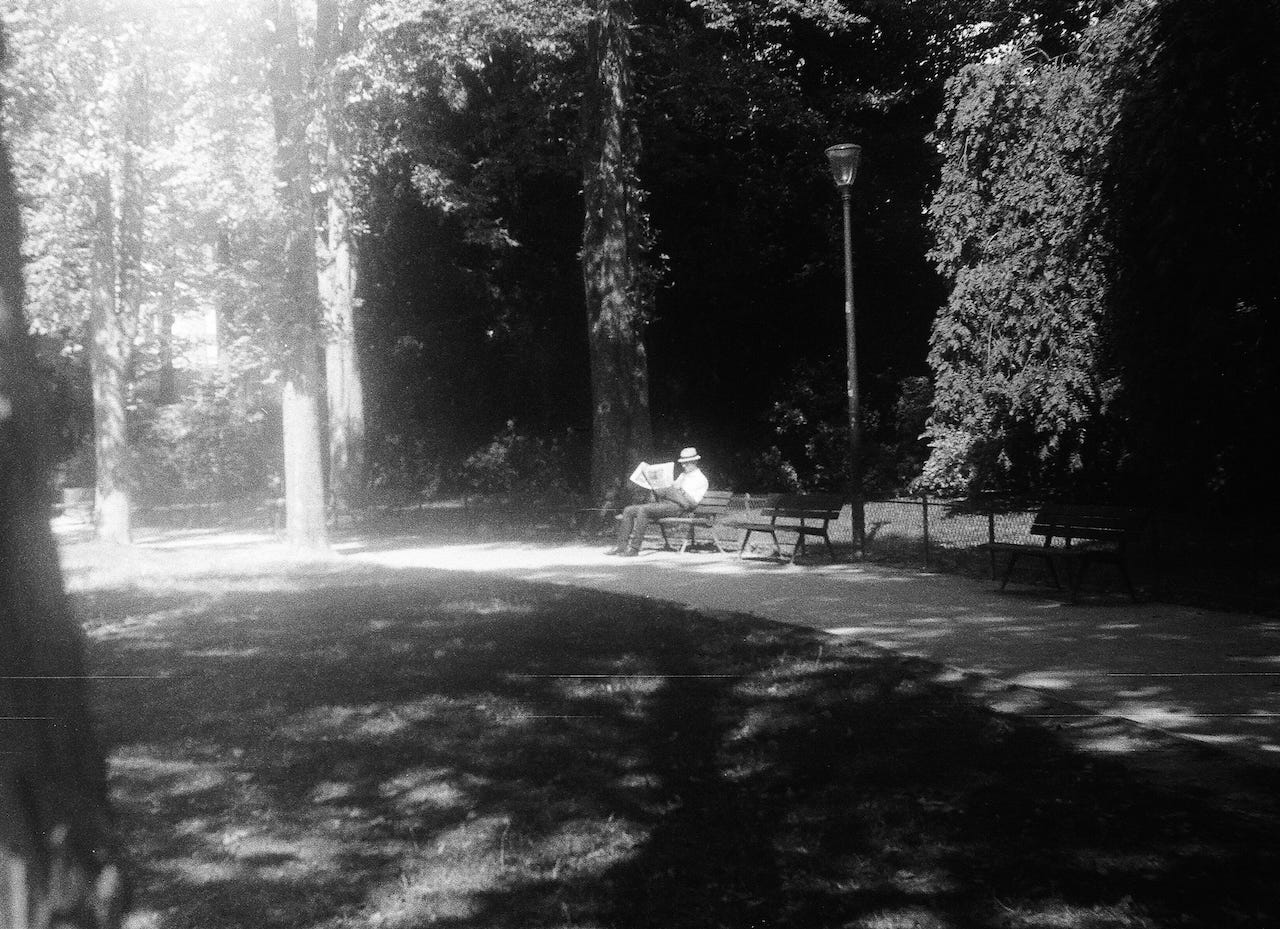
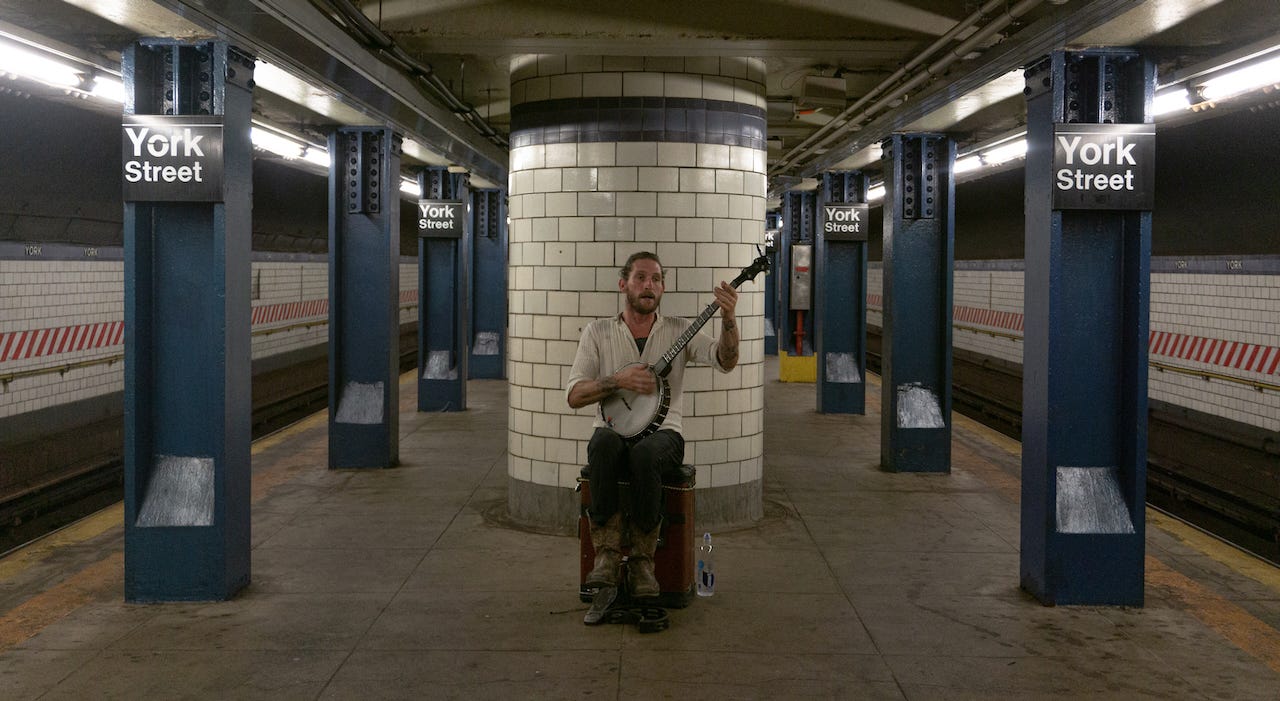
At first I was excited when I found this pattern. Across multiple countries, across years, there was a common theme to my work. Has I actually found a style??? My distinctive type of photo? I was giddy. I made a website for it. I gave it a name, and was ready to release it to the world as a series of prints. My proper thematic entrance into the world of photography.
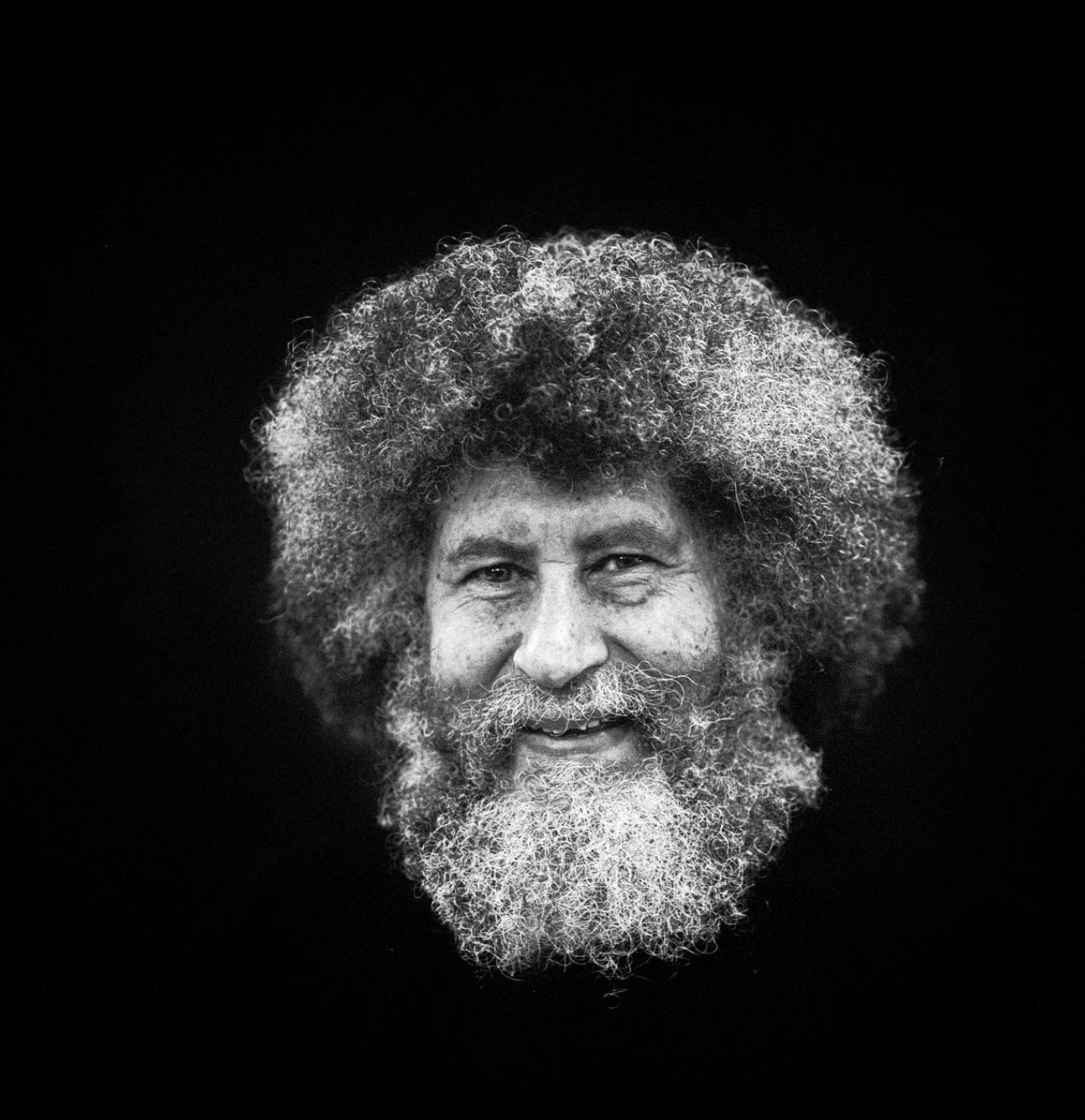
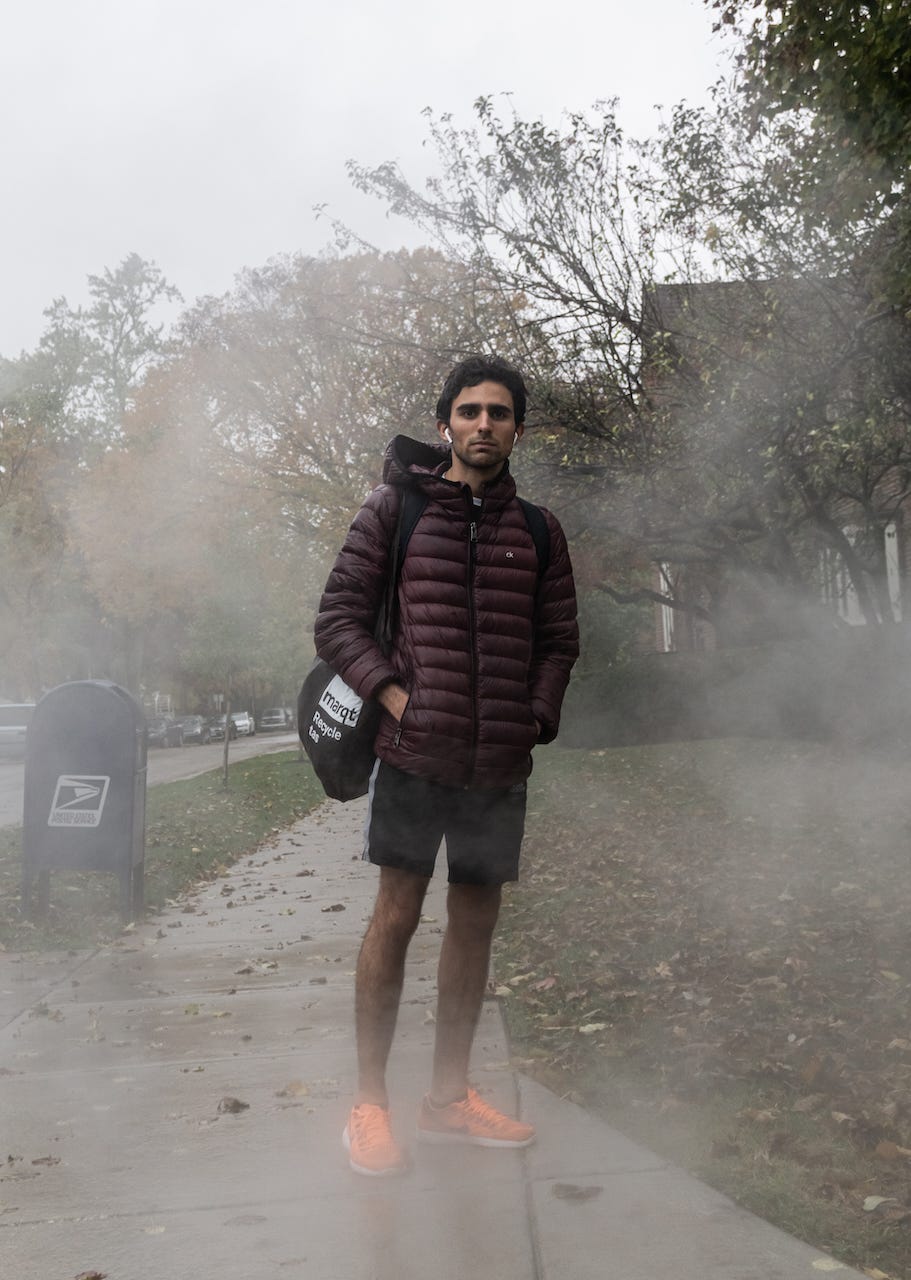
Right before I decided to release, that excitement quickly turned into self-doubt. Instead of feeling coherent and consistent, I started developing feelings of boredom and repetition. As I looked through my library, I saw so much of the same, so many high-contrast medium frame portraits with dramatic lighting with a single subject in the center facing the camera. Was I really that stale and unoriginal?
I decided to slow down, take a breath, and re-examine what it means to take a portrait of someone. What are the different elements of a portrait, and how might I do a better job of capturing the people around me?
Here I dig through the archives, and dissect the different portraits I’ve taken. What they mean, and how the stylistic choices I made when taking them affect the final product. I did this in part for myself, as I want to see how I can learn from what I’ve done to improve what I’ll do.
This is a very picture-heavy post. It might not load properly in your email. You can view the whole post by clicking this button:
Perhaps we start with the most obvious one: composition. The above pictures are quite repetitive. As the subject leaves the center, my interpretation of the subject changes. They are not the center of the world, but part of it. Still important, but not the full story.
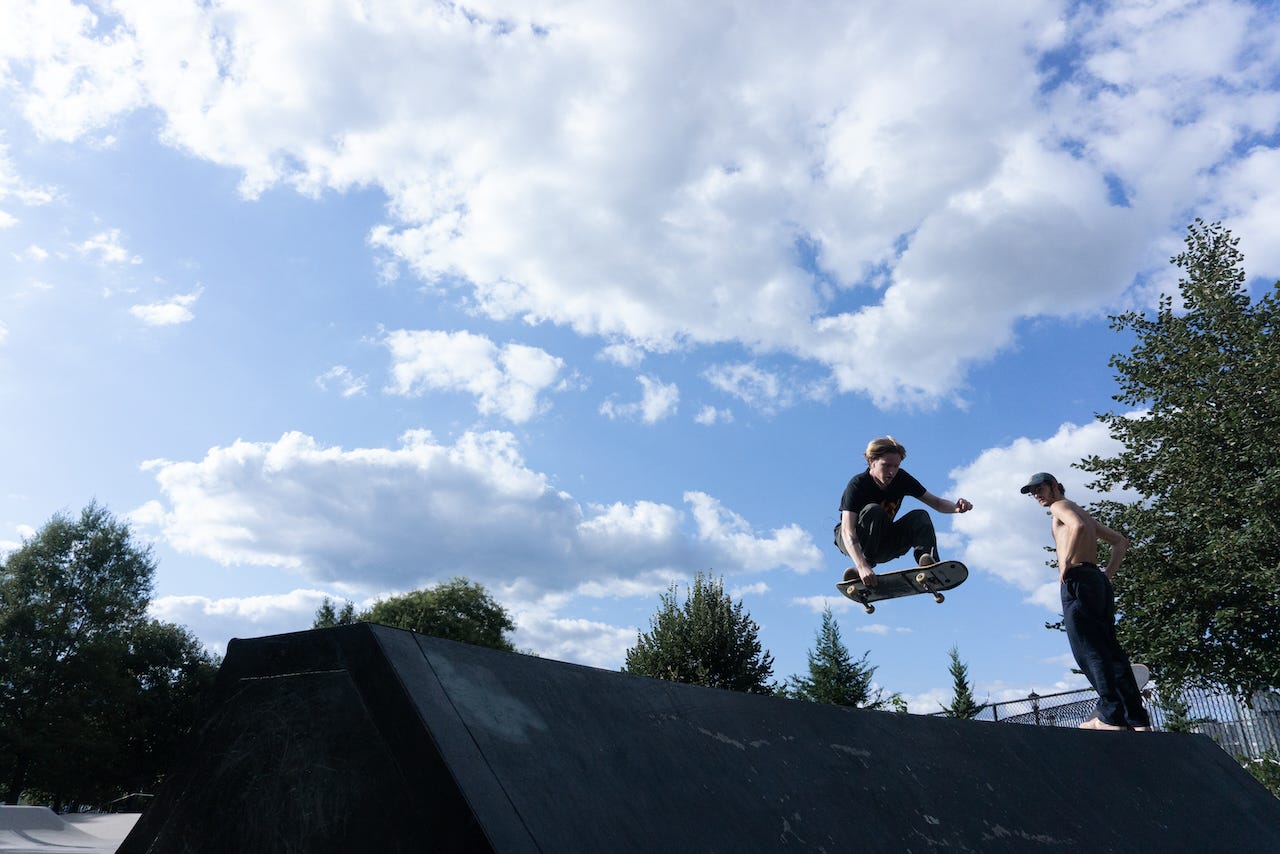
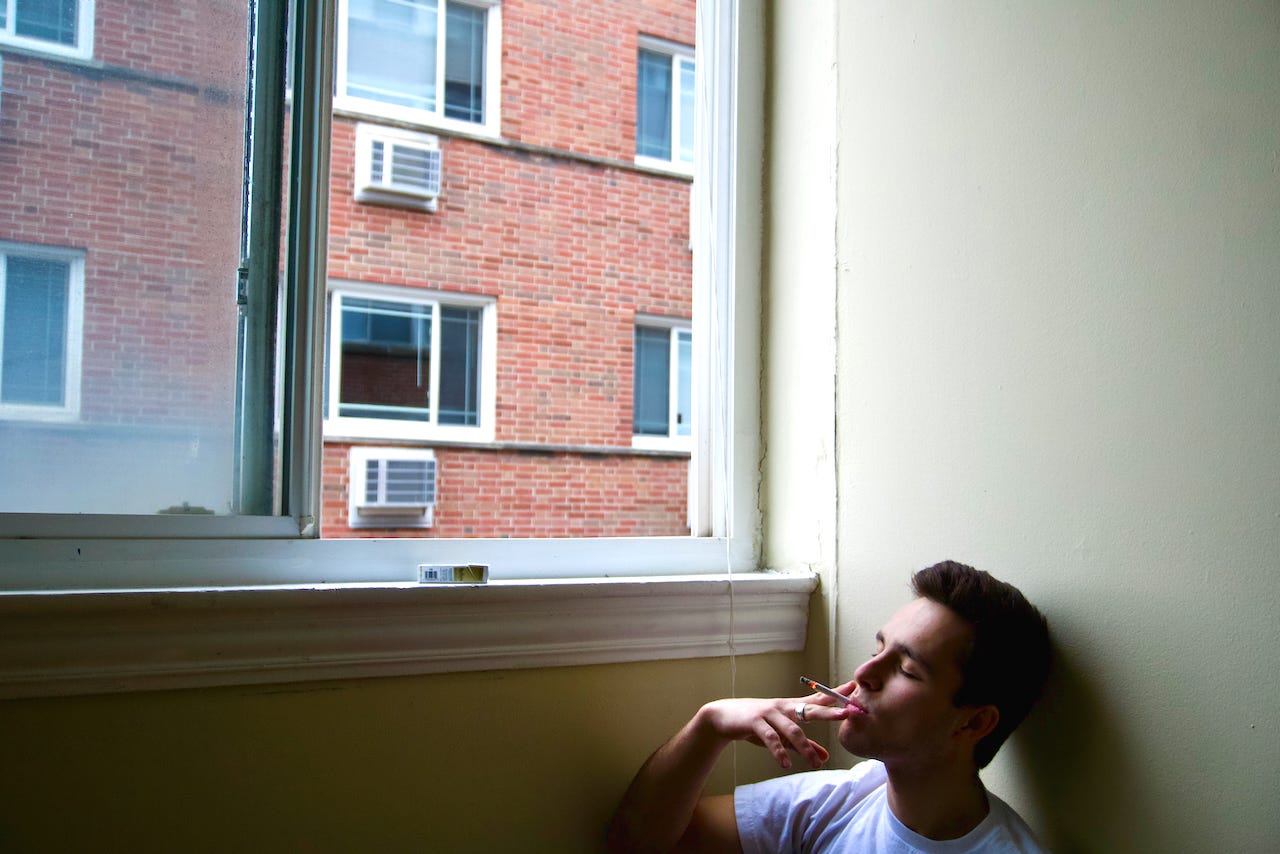
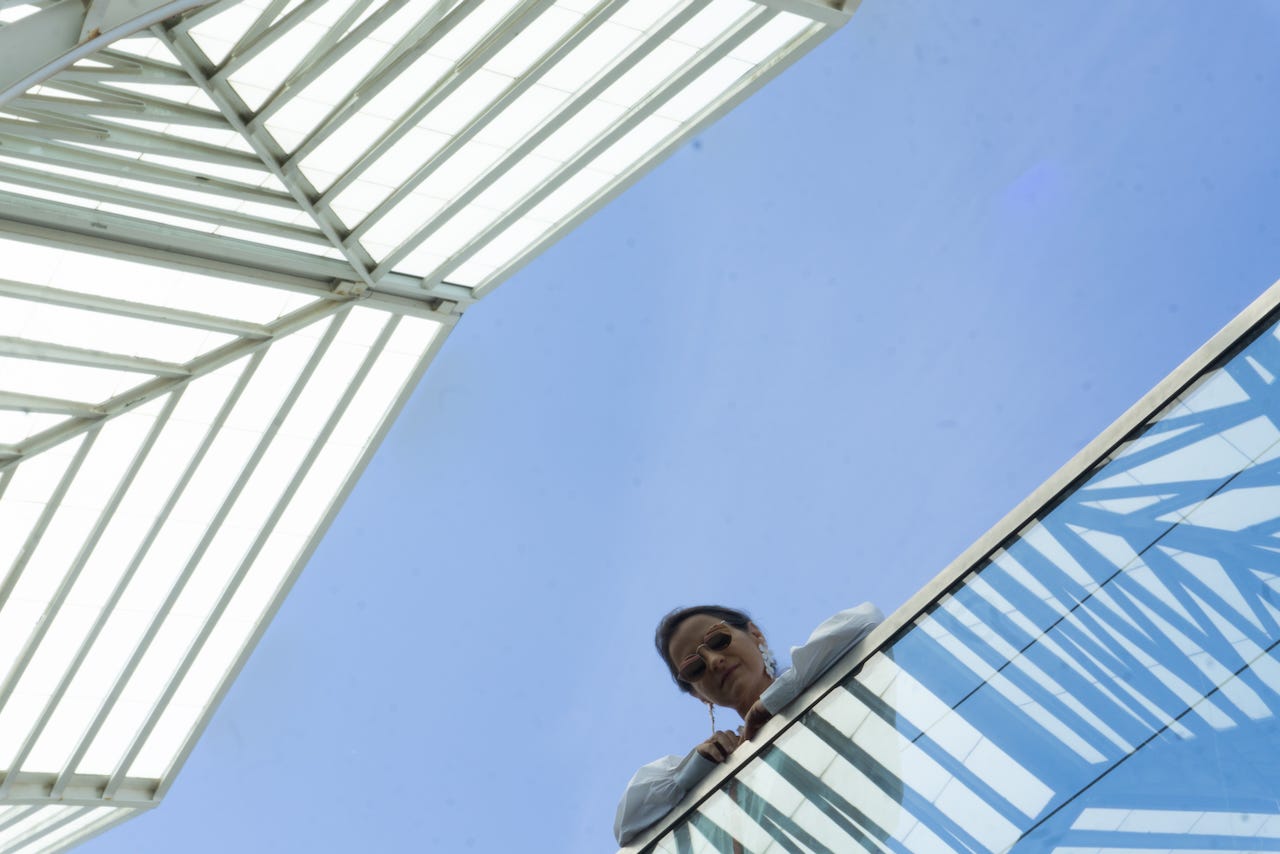
Moving above or below the subject has a dramatic impact on how the audience perceives them. We can either be in the action, or a passive observer, like a bird flying by. If you ever see a photographer crouching down to take a photo from knee-height instead of just holding their camera at eye level, try not to roll your eyes, there’s a reason they’re doing it.
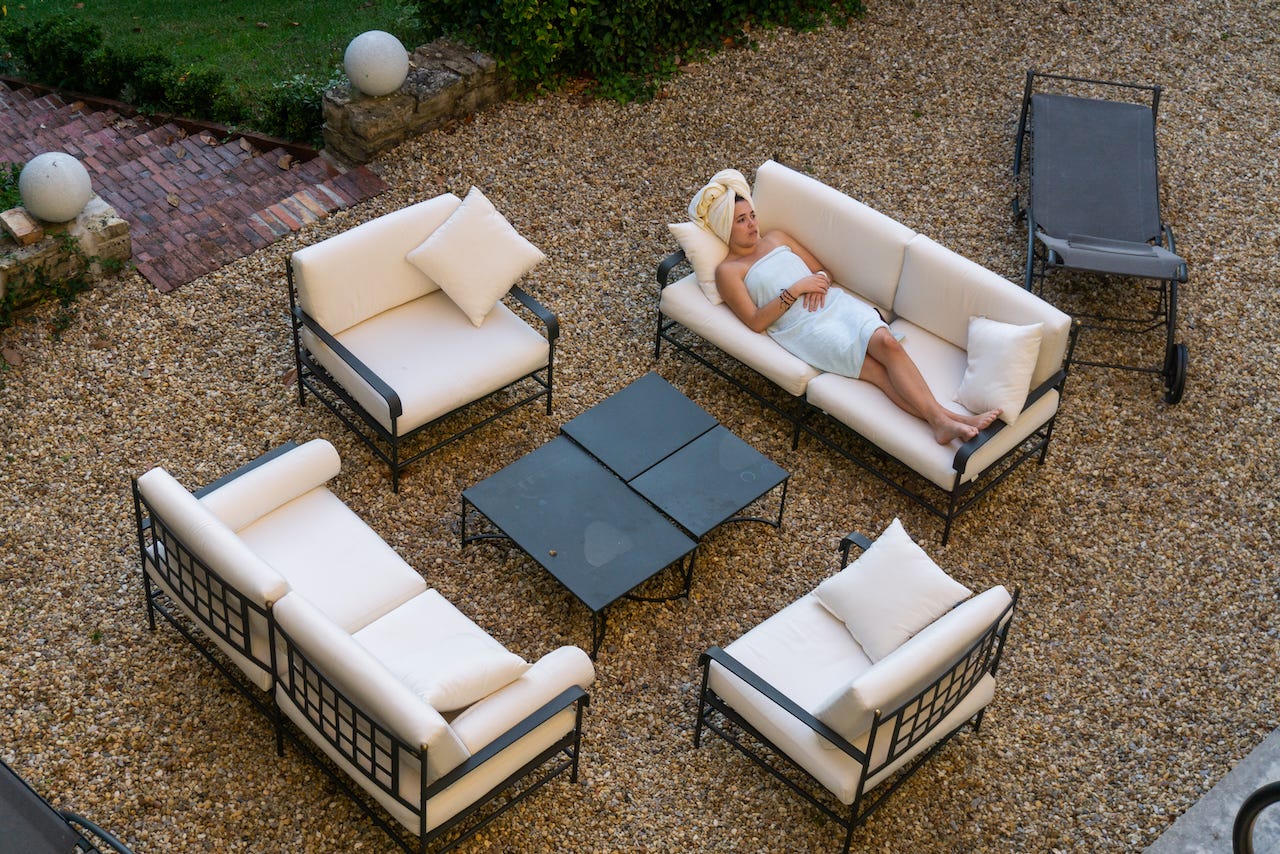
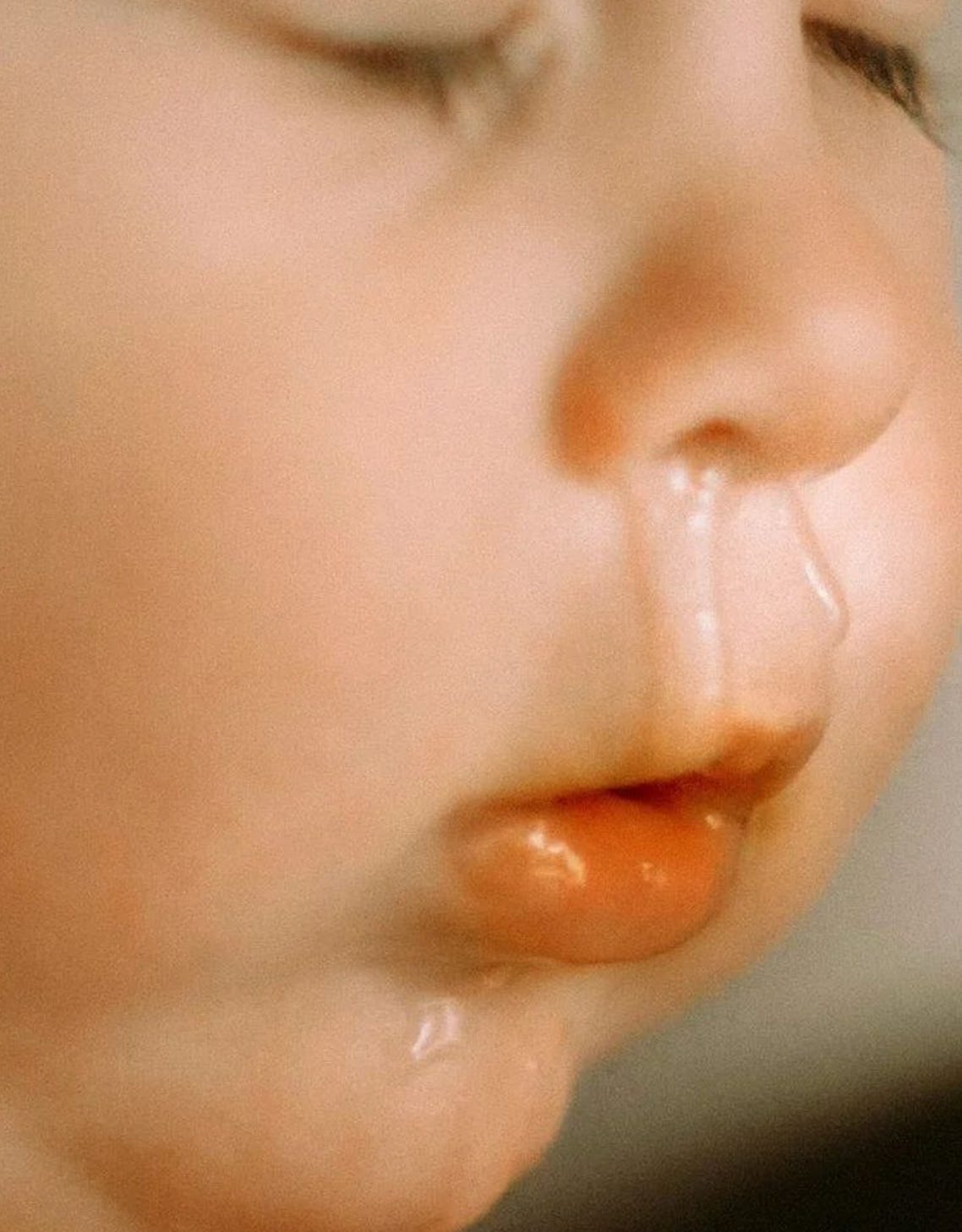
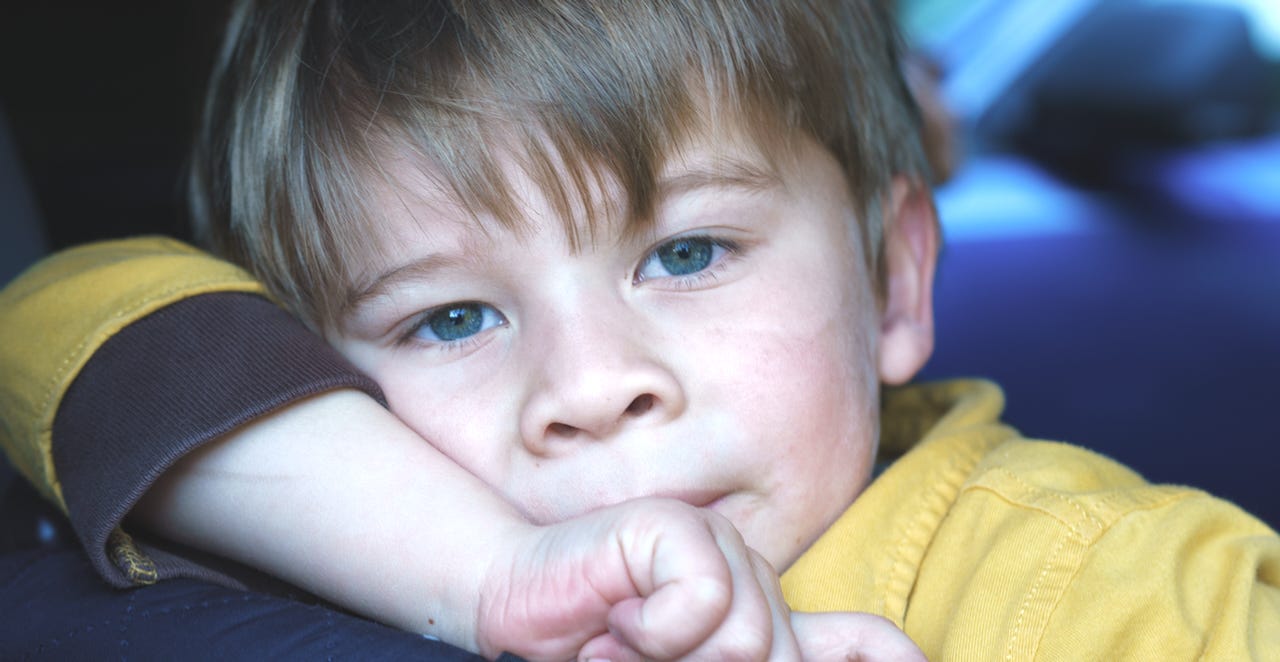
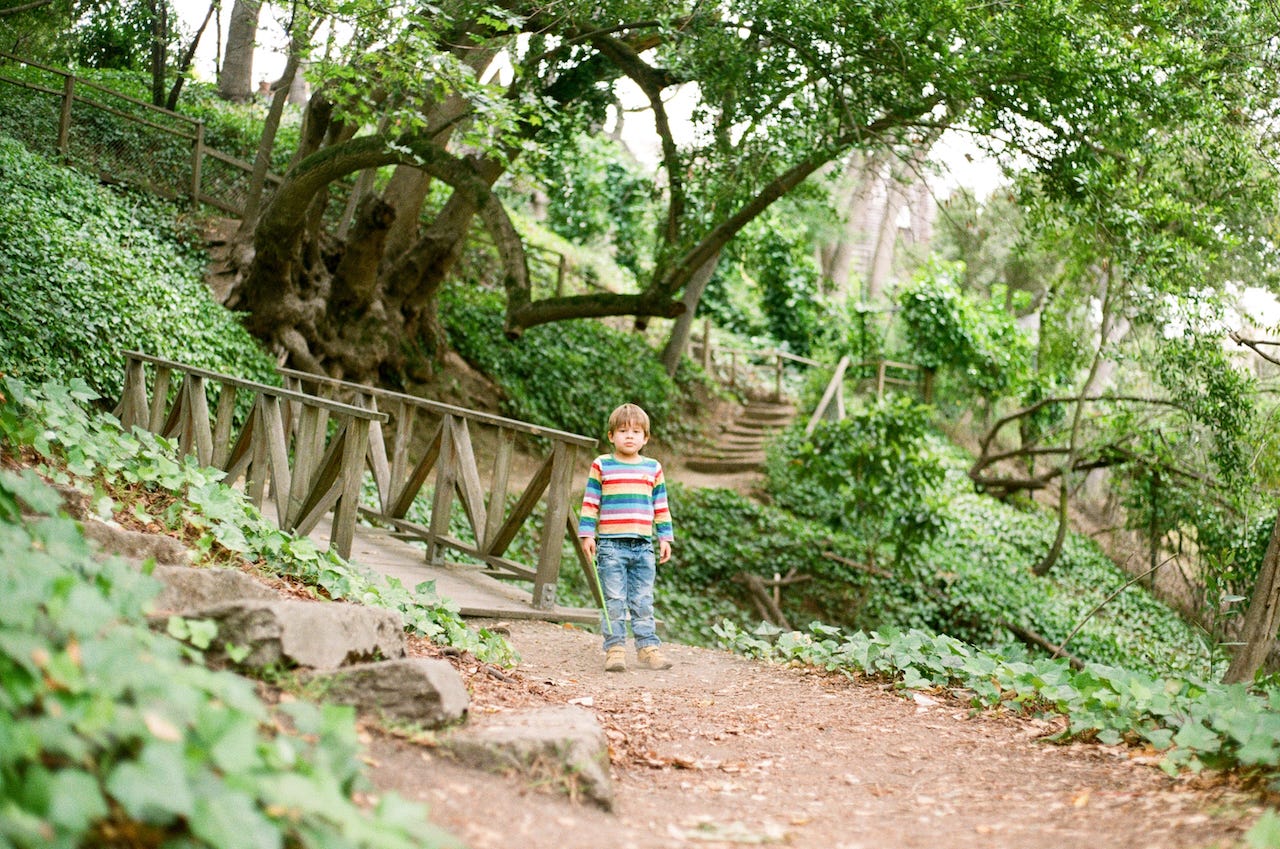
Depth is powerful, and quite obvious. Close = warm. Far = cold and distant. The lens you shoot with impacts this (or the Zoom level on your phone). Not exactly rocket science, but harder than you’d think to execute. Not everyone wants a camera shoved in their face.
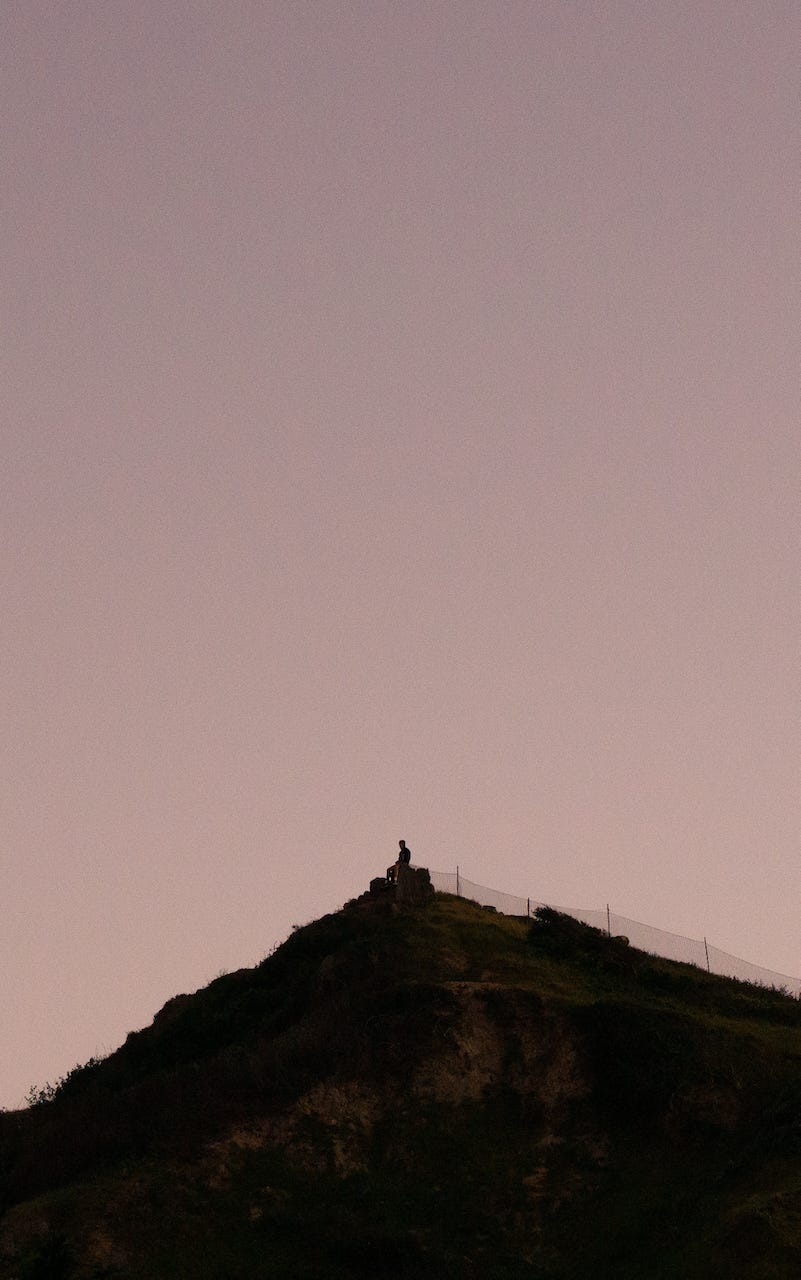
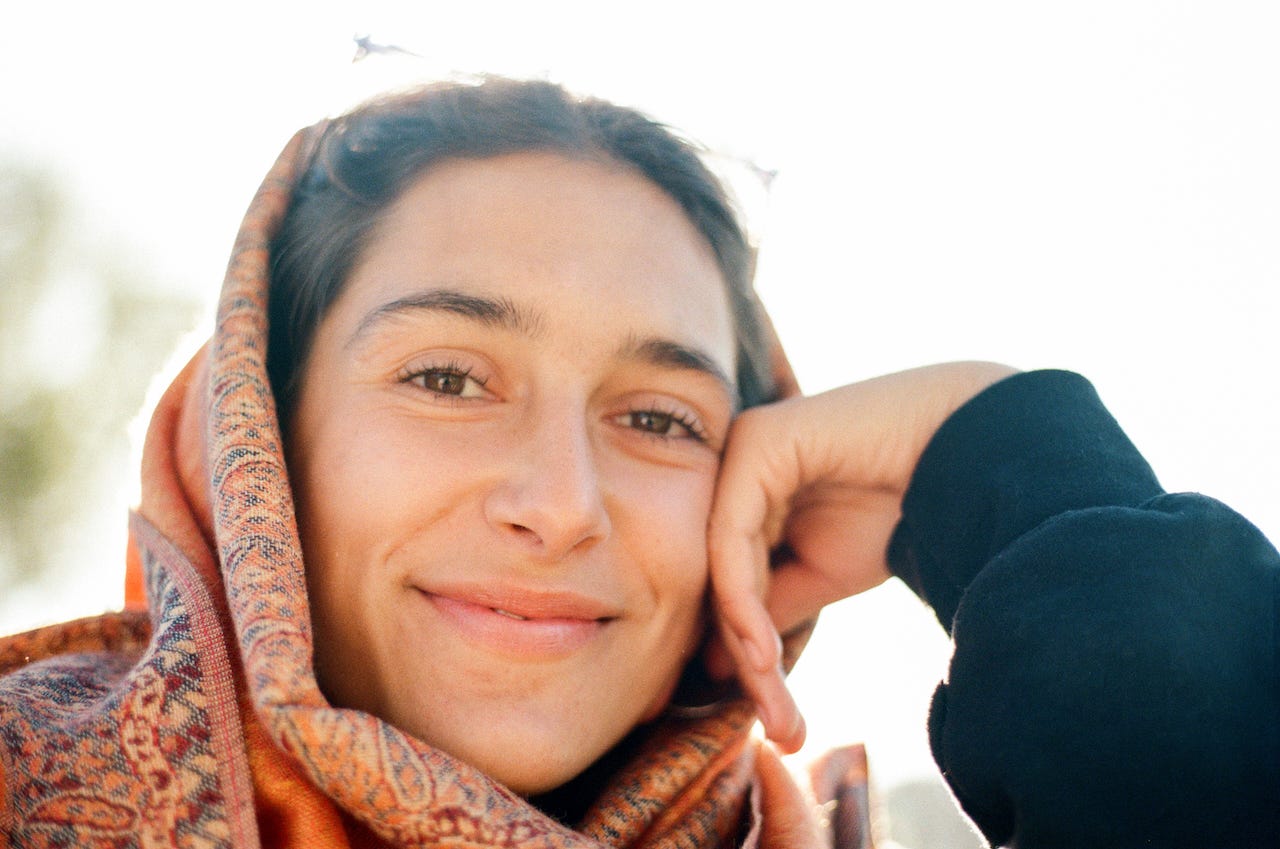
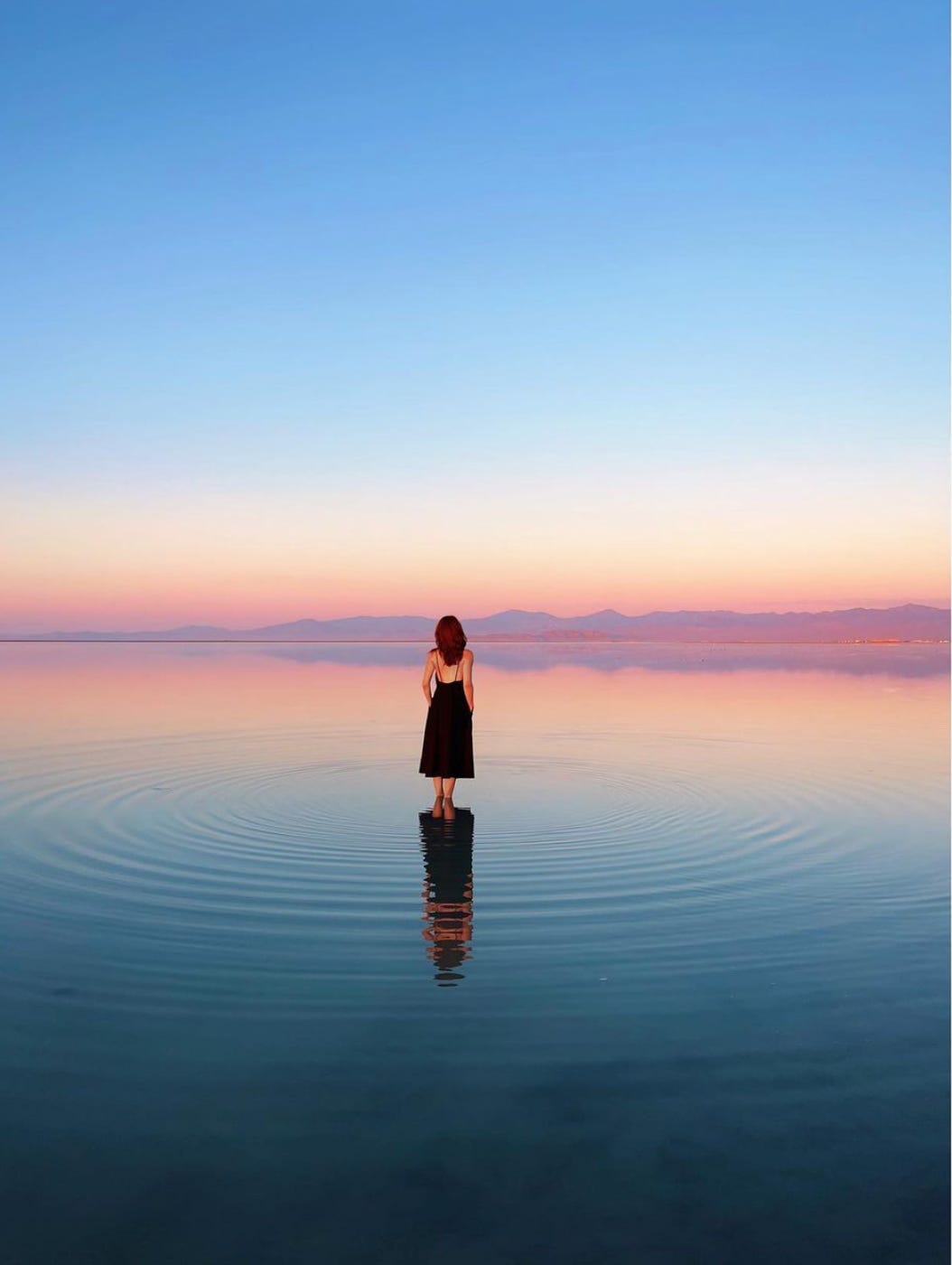
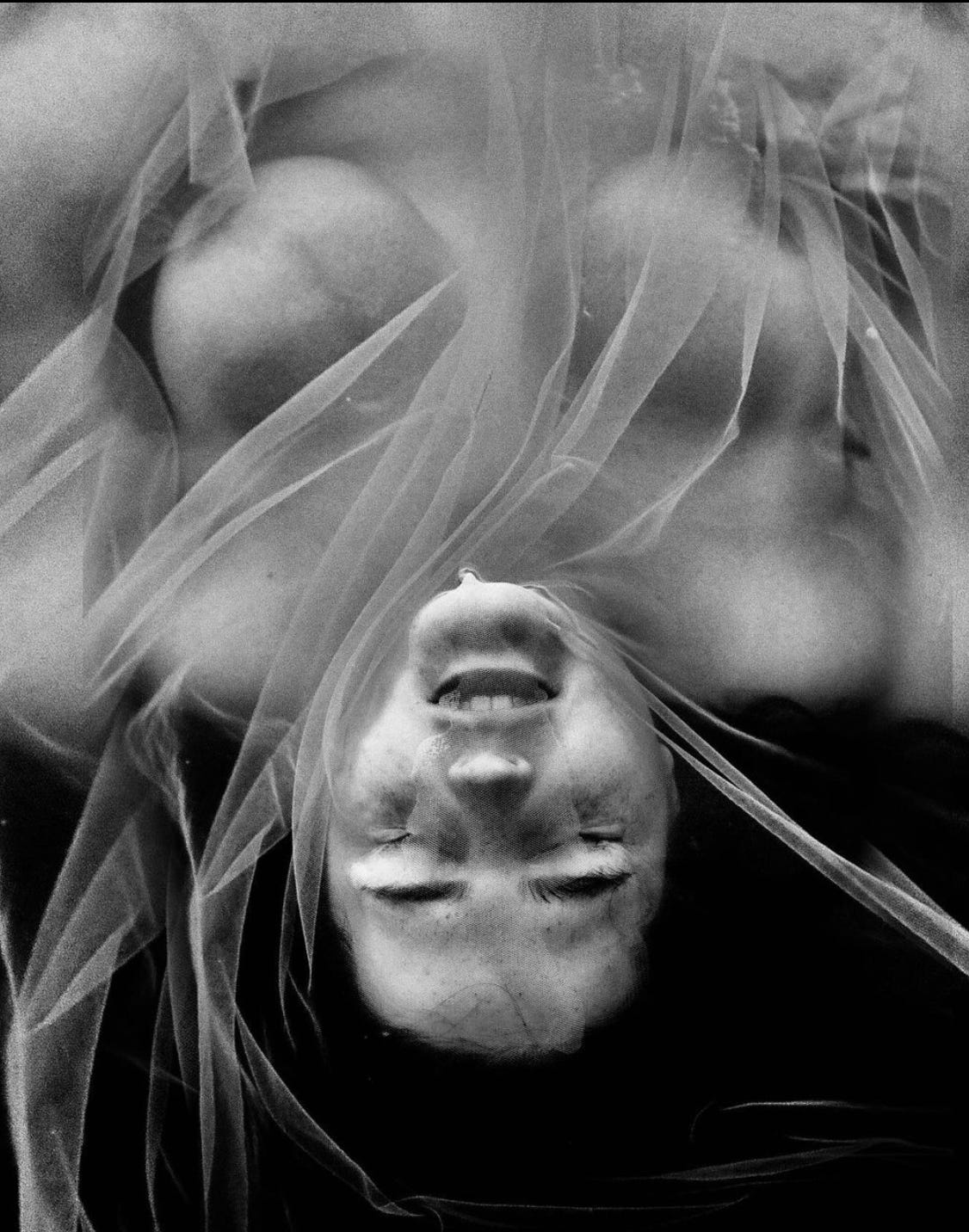
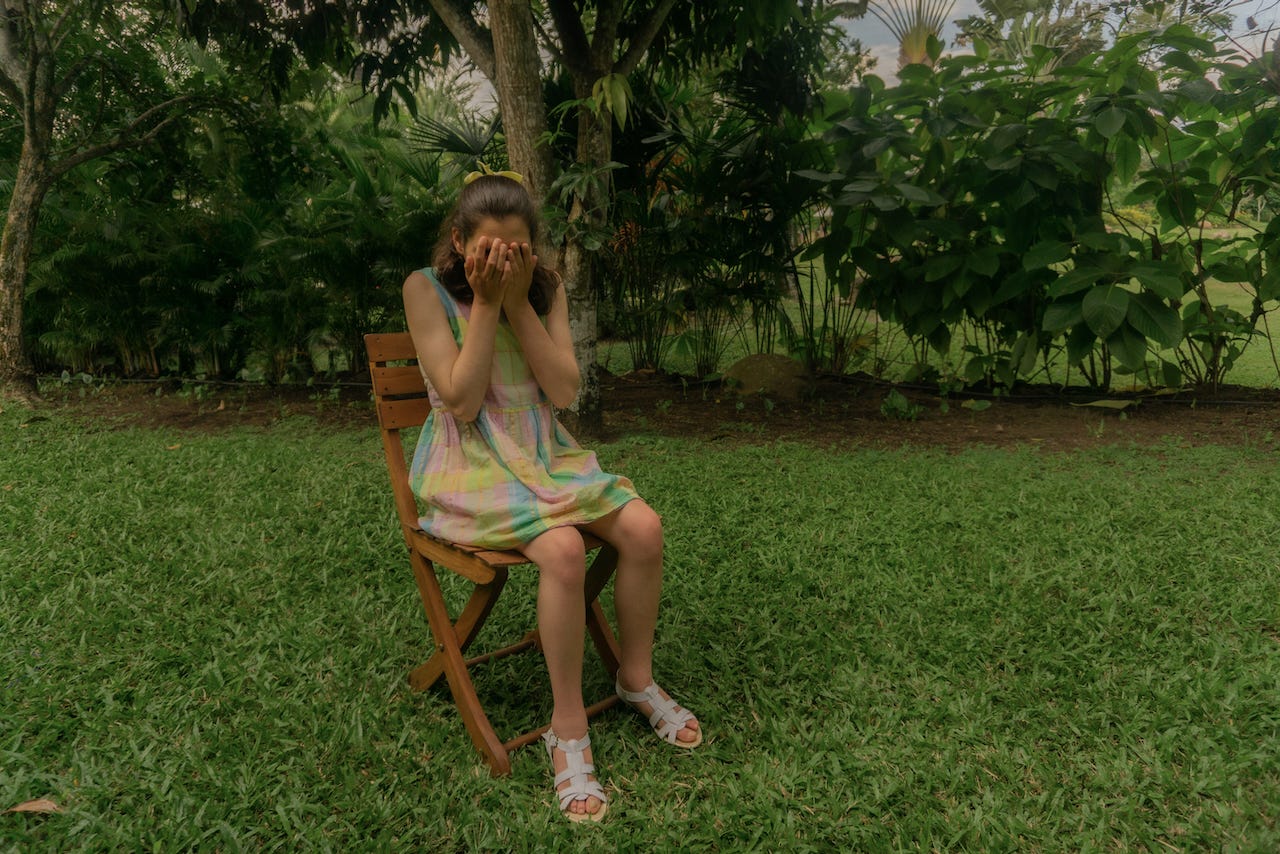
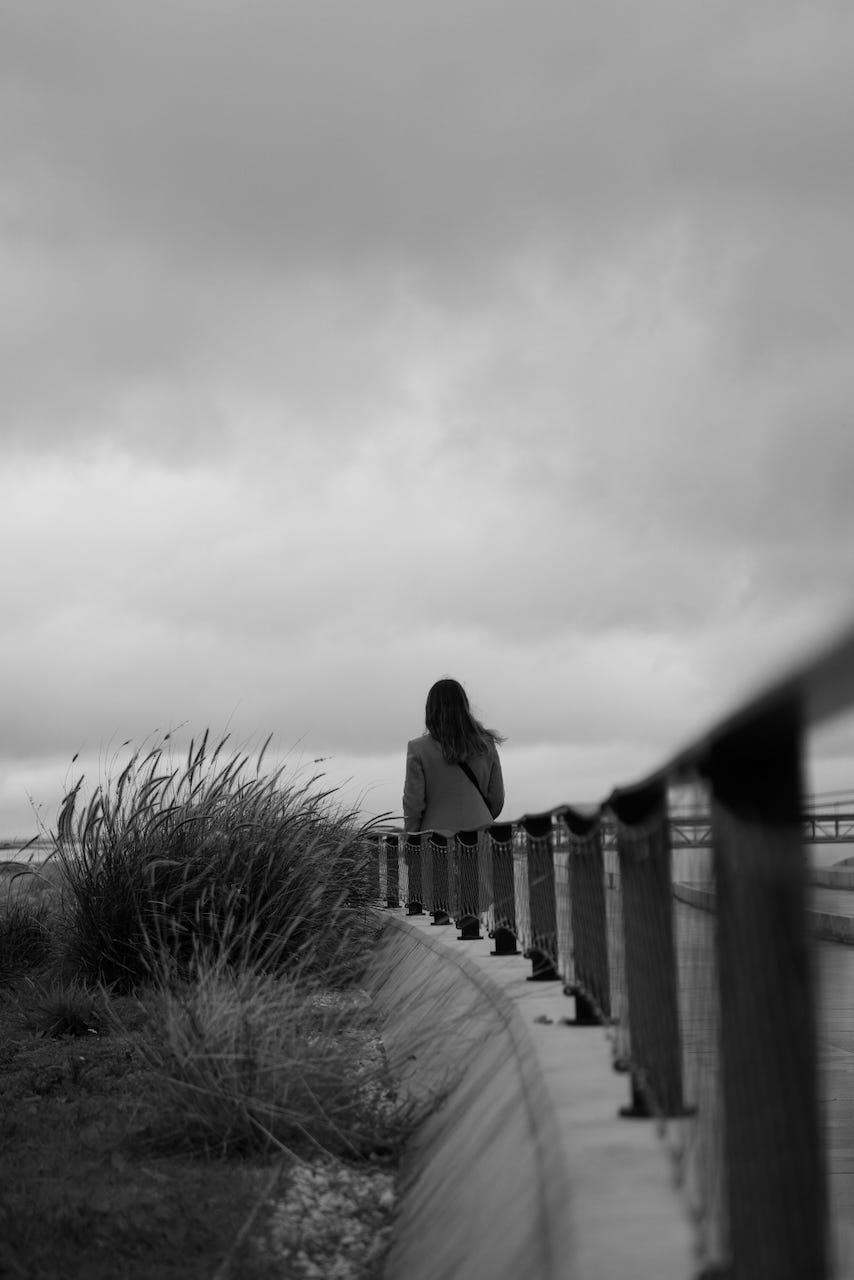
Faces tell us a lot about a person. Emotion, attention, attraction. Humans have been evolving for millions of years to read each other’s faces. Having a person in the scene but not showing their face allows the photographer to really impart their own emotions and feelings on that person. Also, who doesn’t love a little mystery? Who is that?
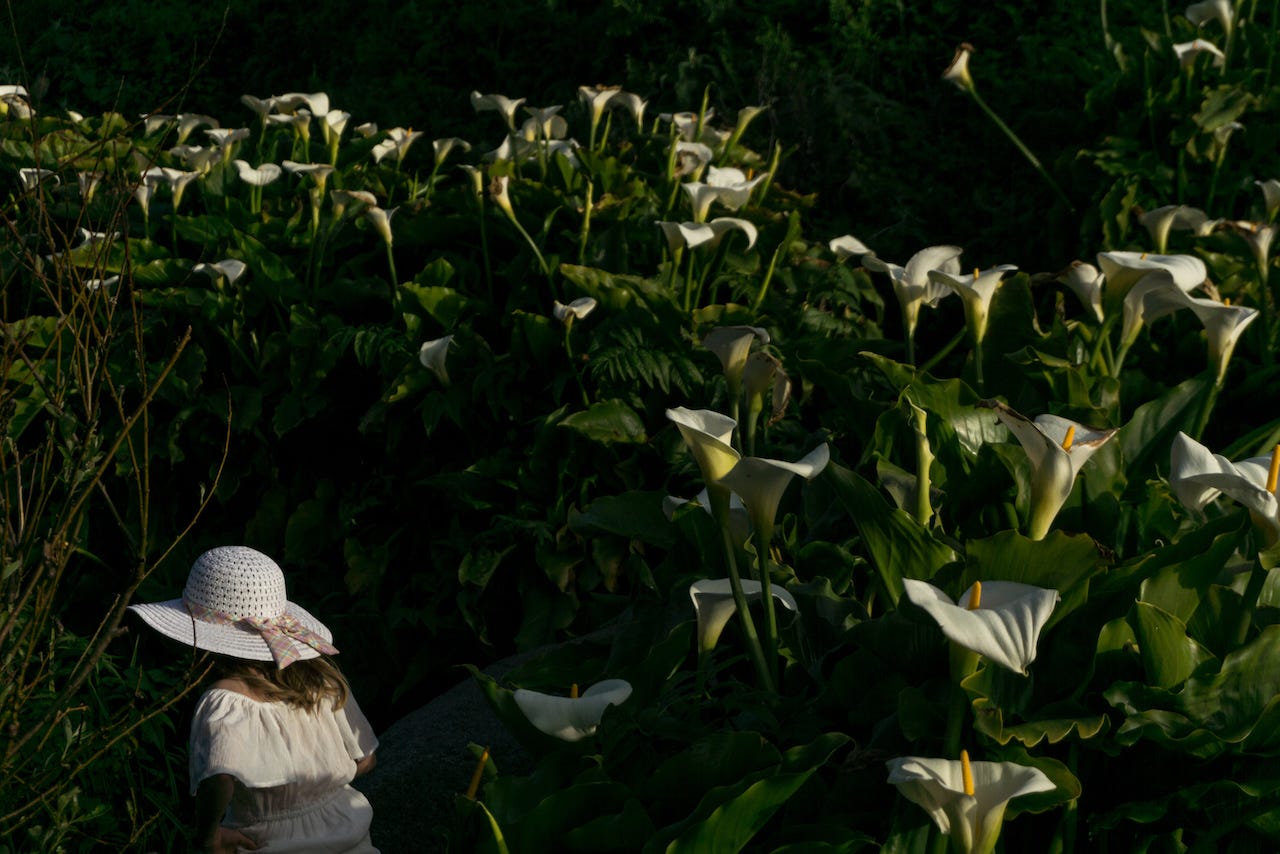
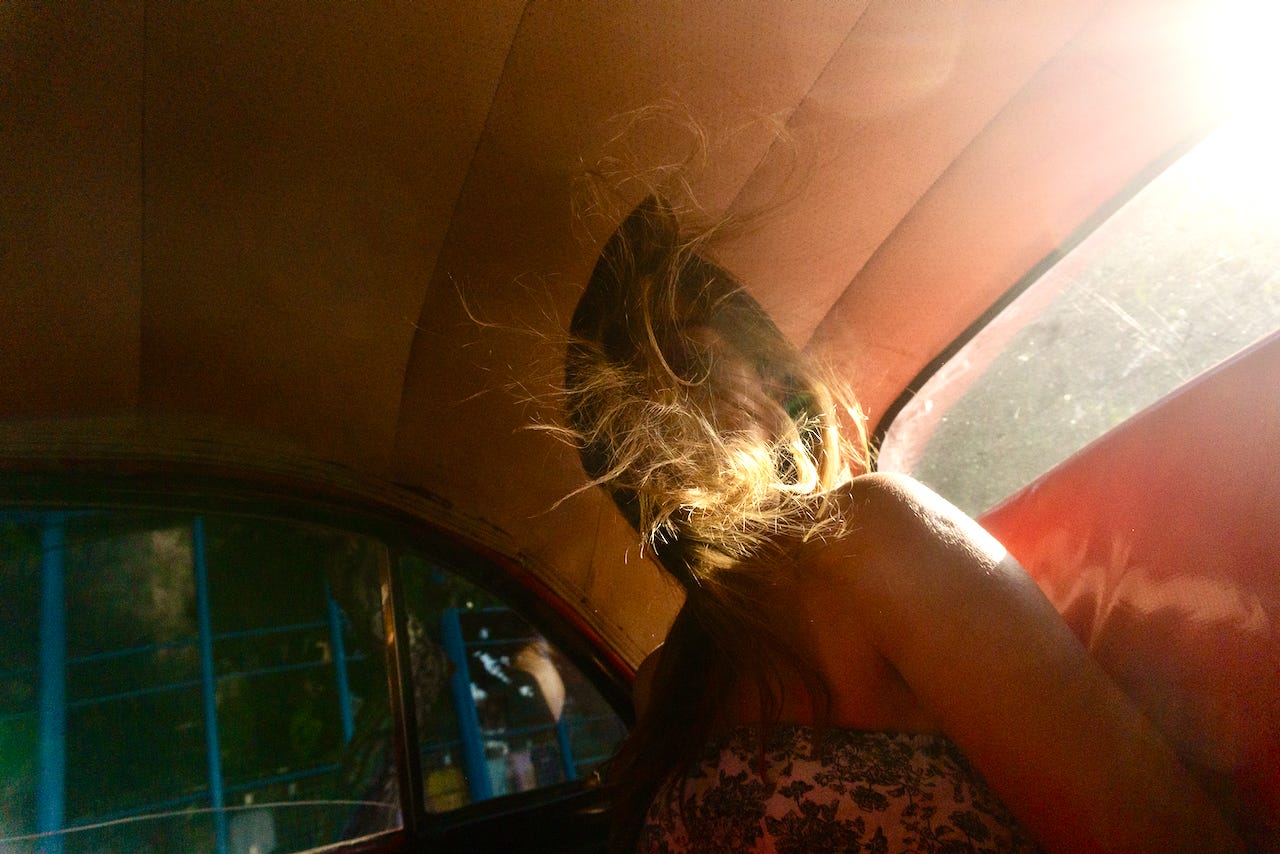
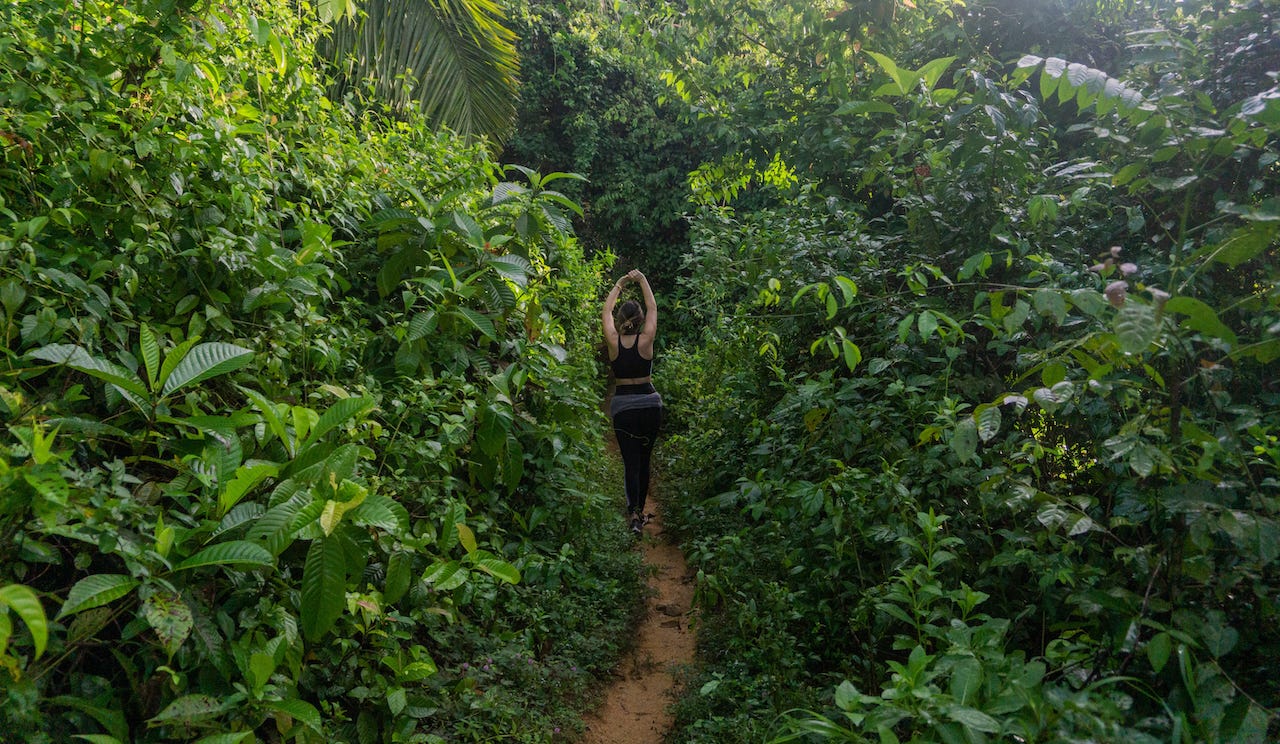
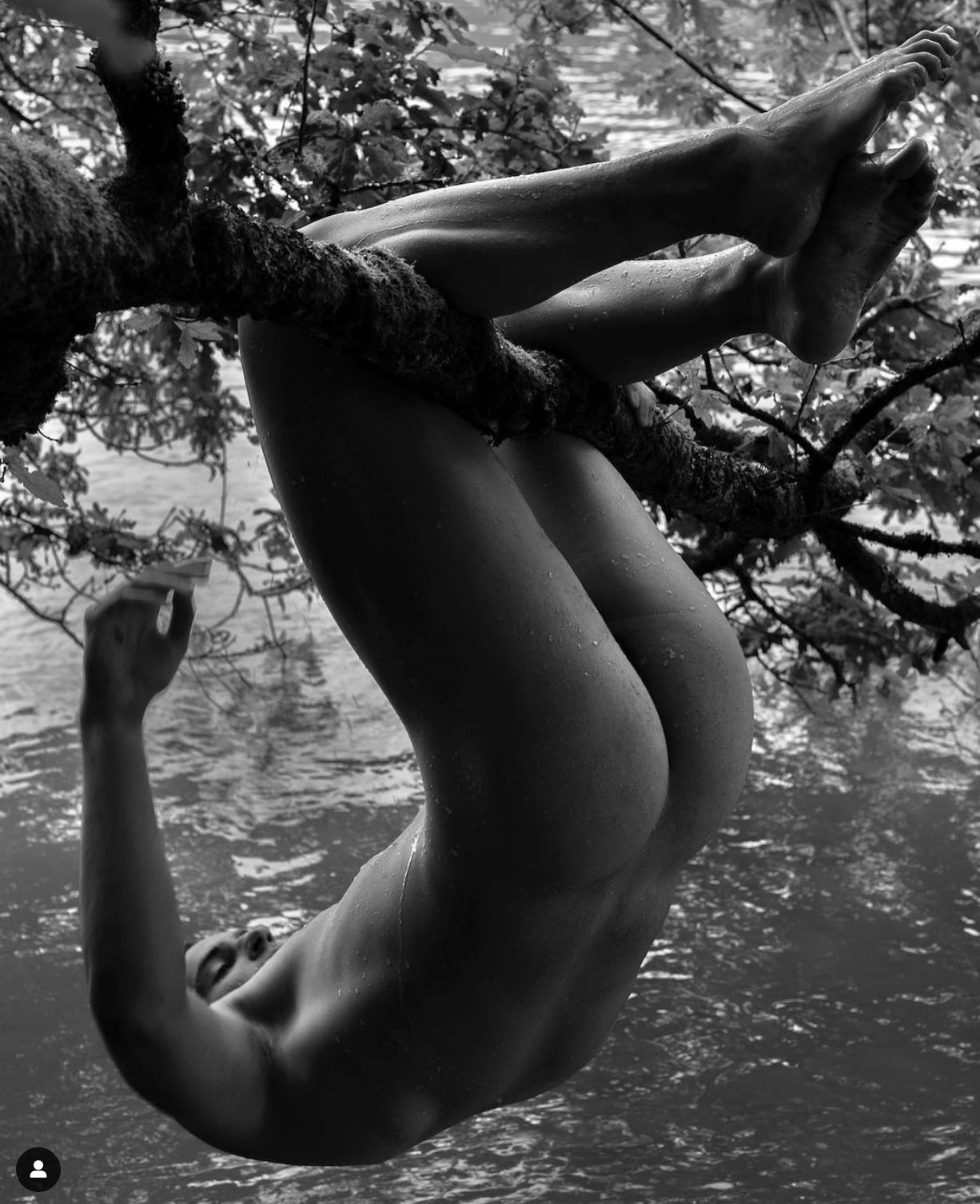
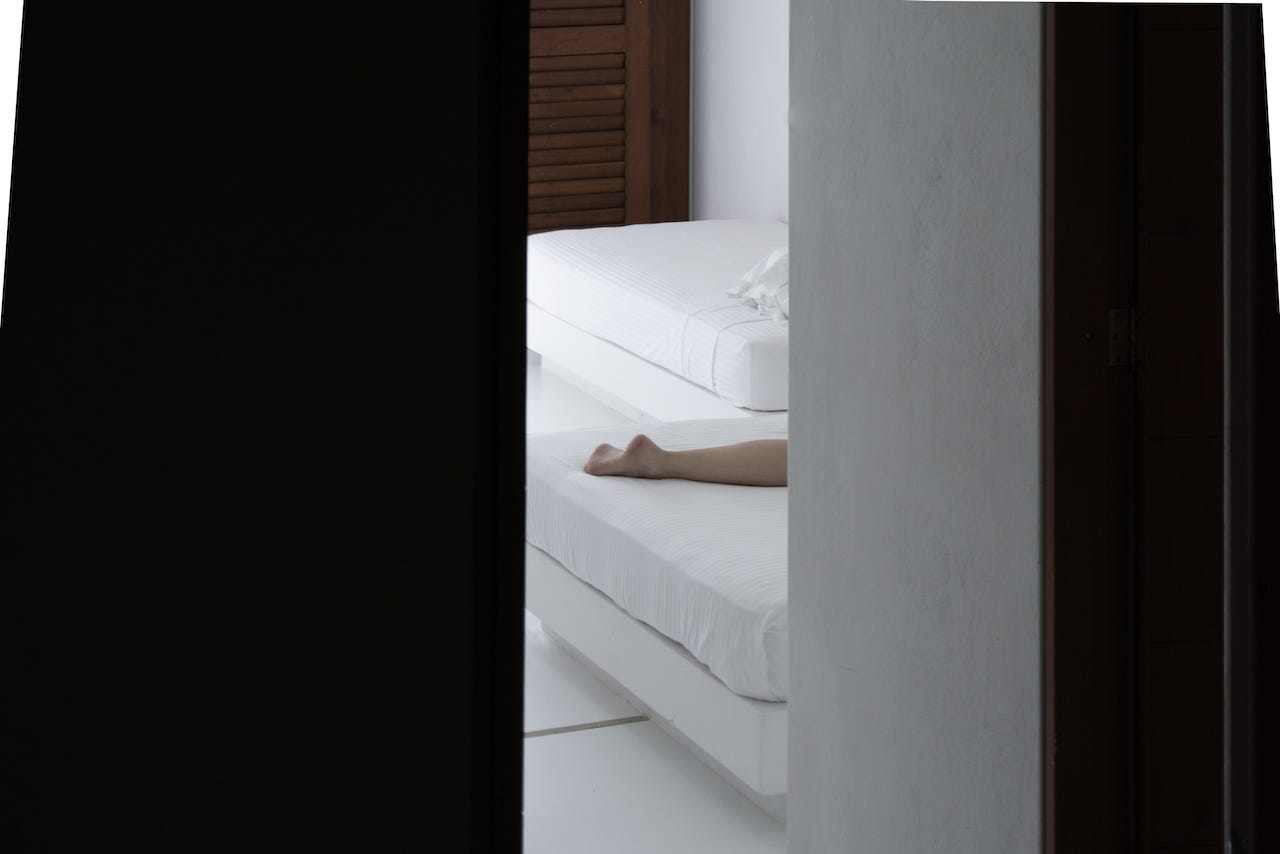
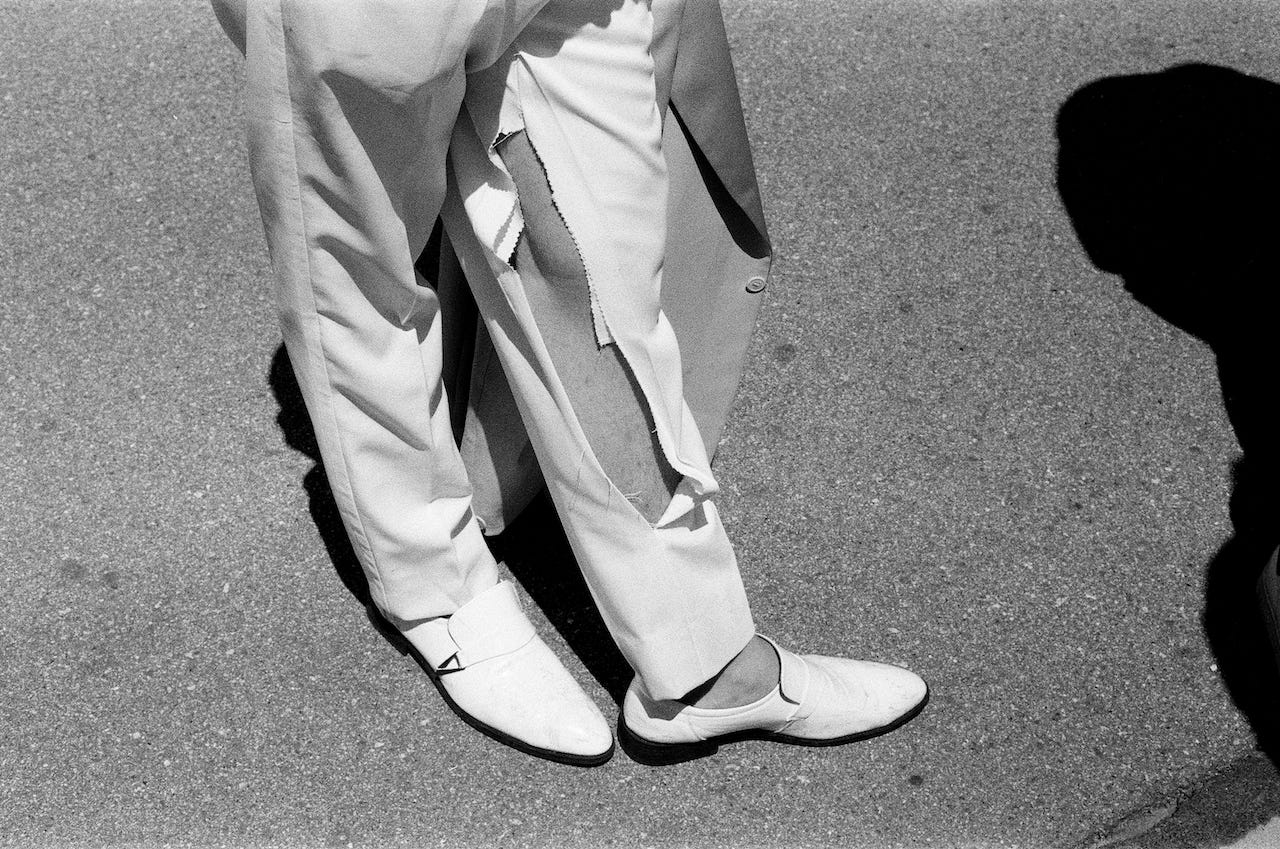
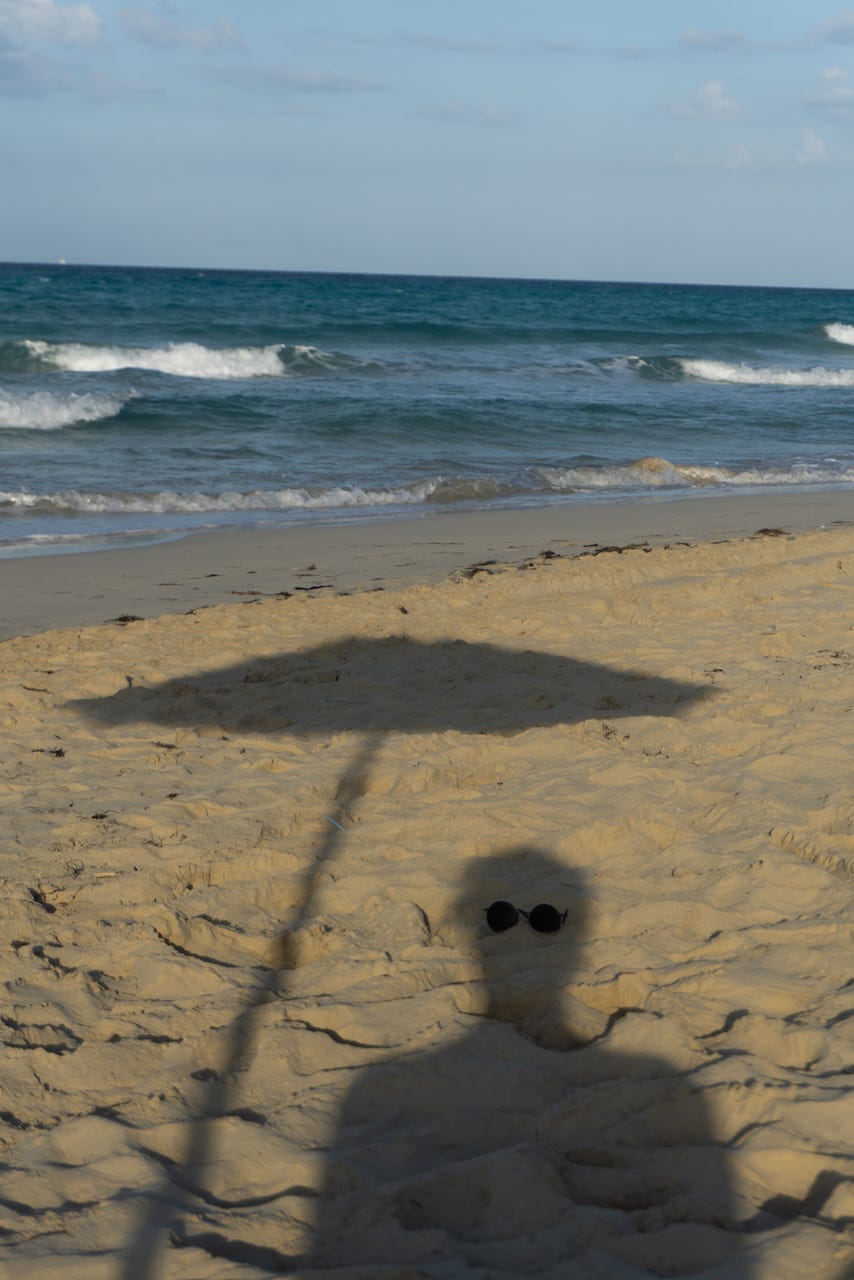
What if the subject of a portrait is not a human, but just an idea of a human? A suggestion of a person? The part reflects the whole, but leaves most of the story to the imagination. I find feet and hands to be the most expressive parts of a person. The most emotionally charged part of someone is their back, but perhaps thats a personal opinion…
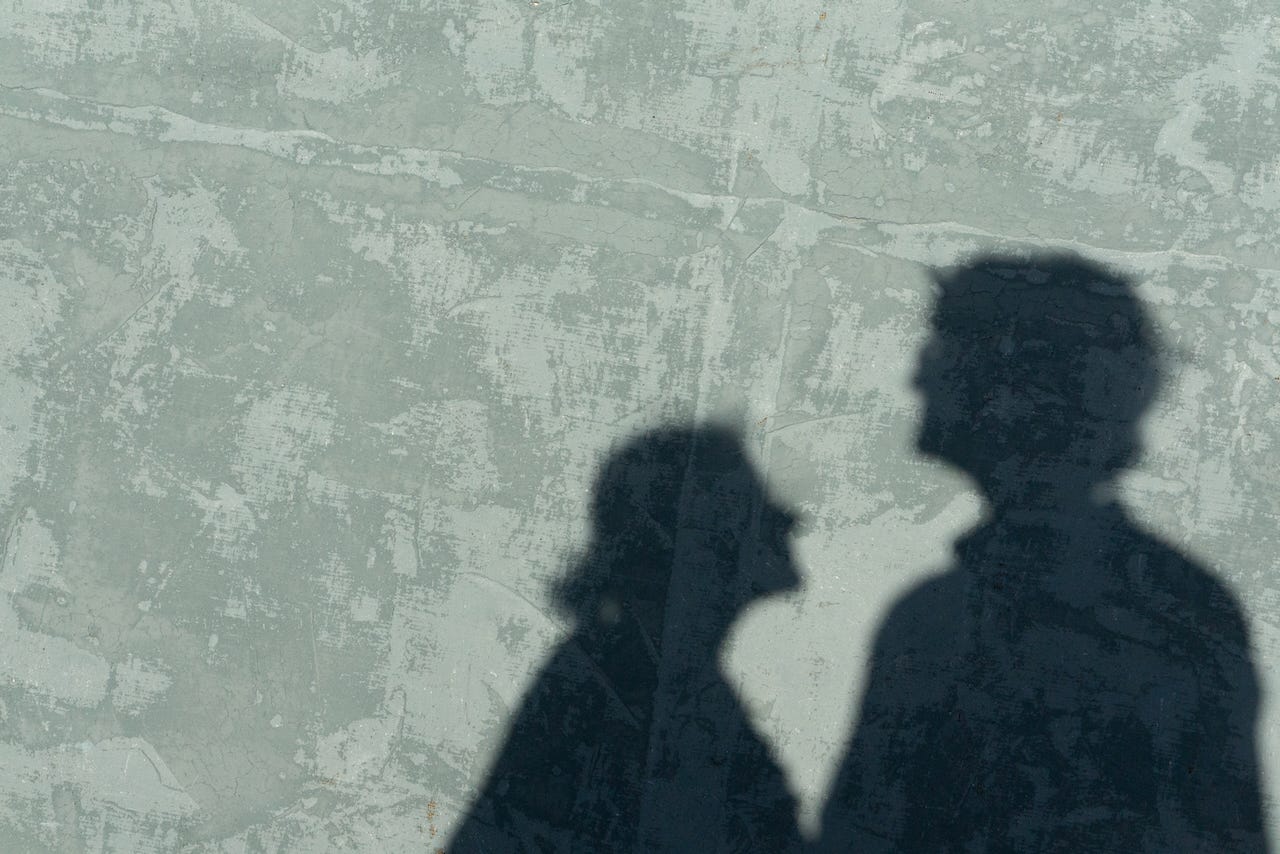
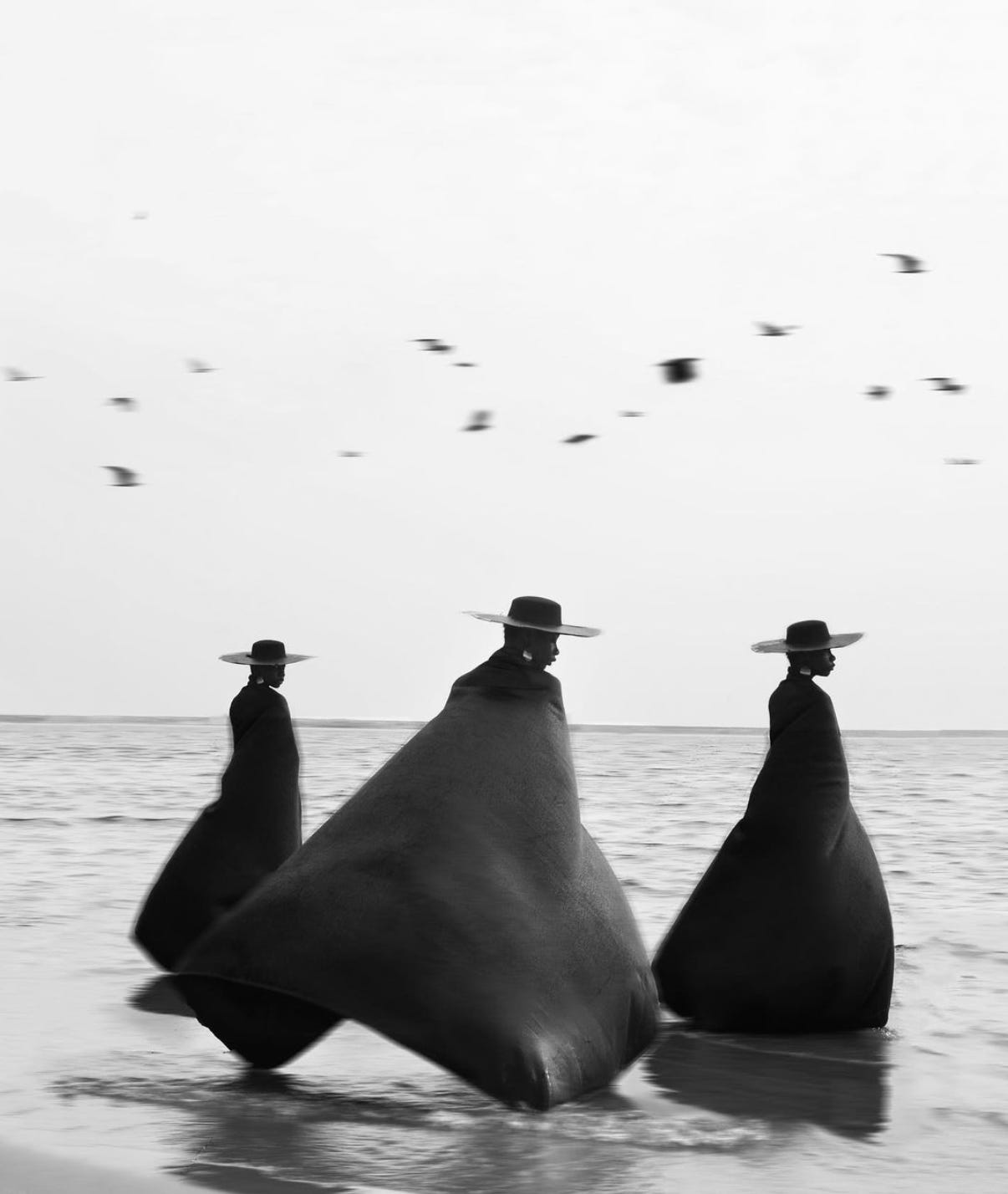
Portraits can feature multiple people. There’s a marked difference between taking a photo of more than one person (imagine sorority girls’ graduation pictures), and making a portrait of a group. Often there are not multiple subjects in a photo, but rather the subject is itself the relationship between the people in the photos.
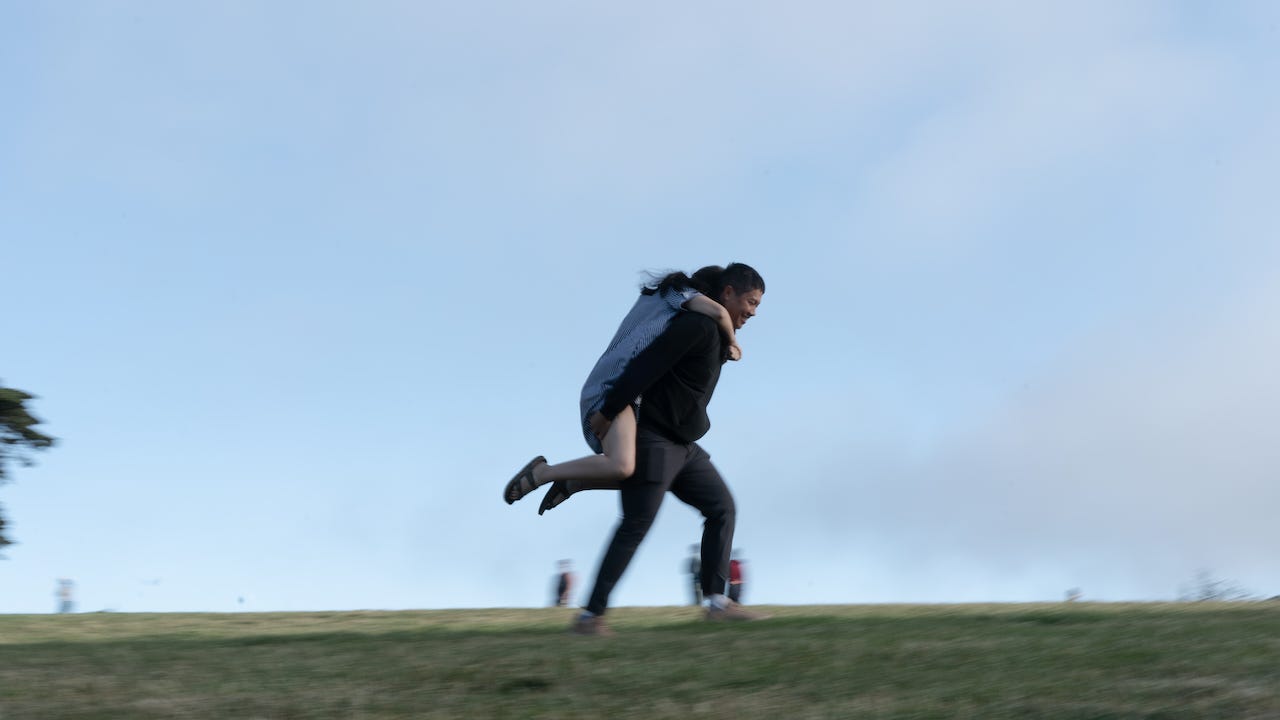
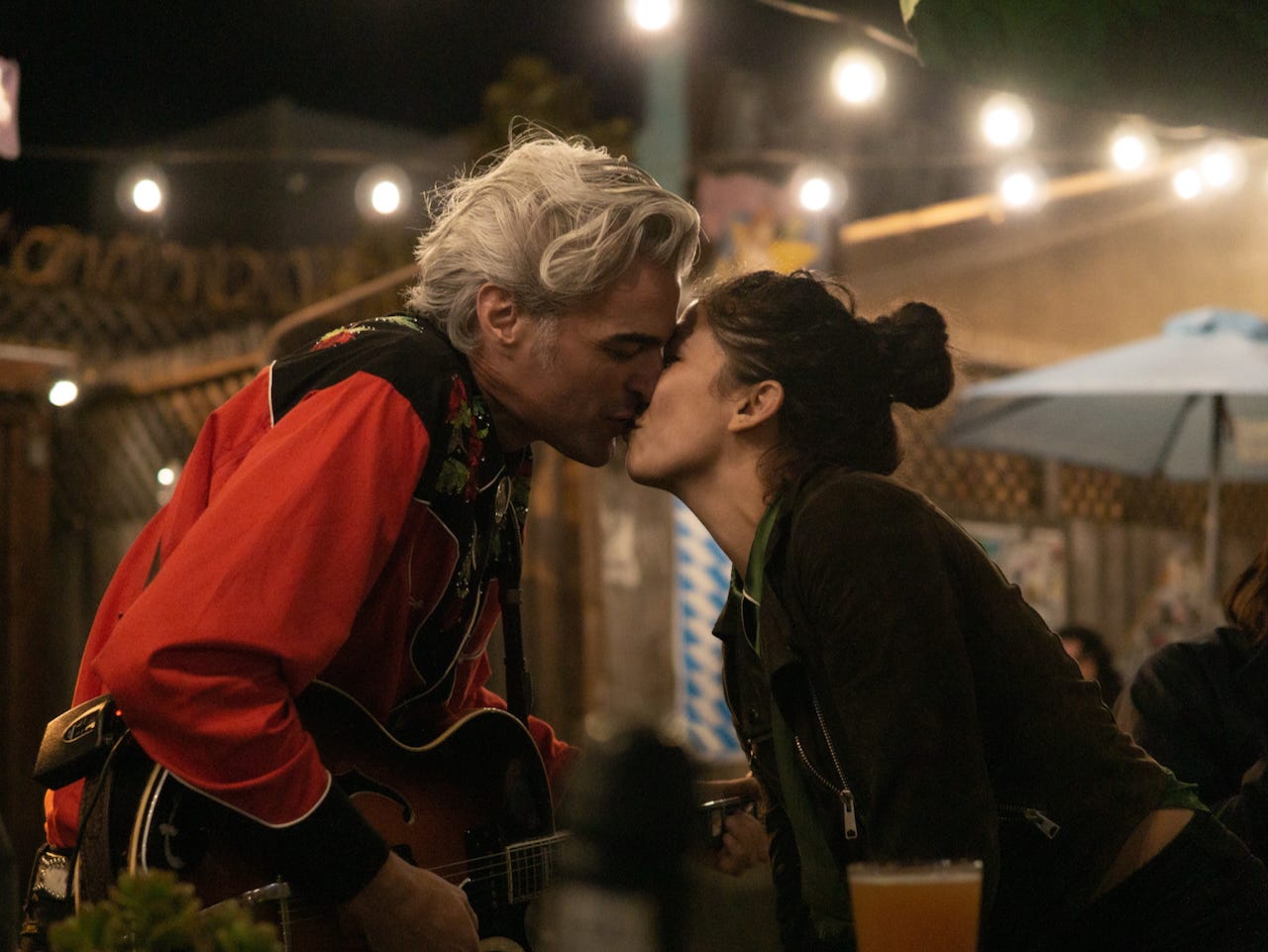
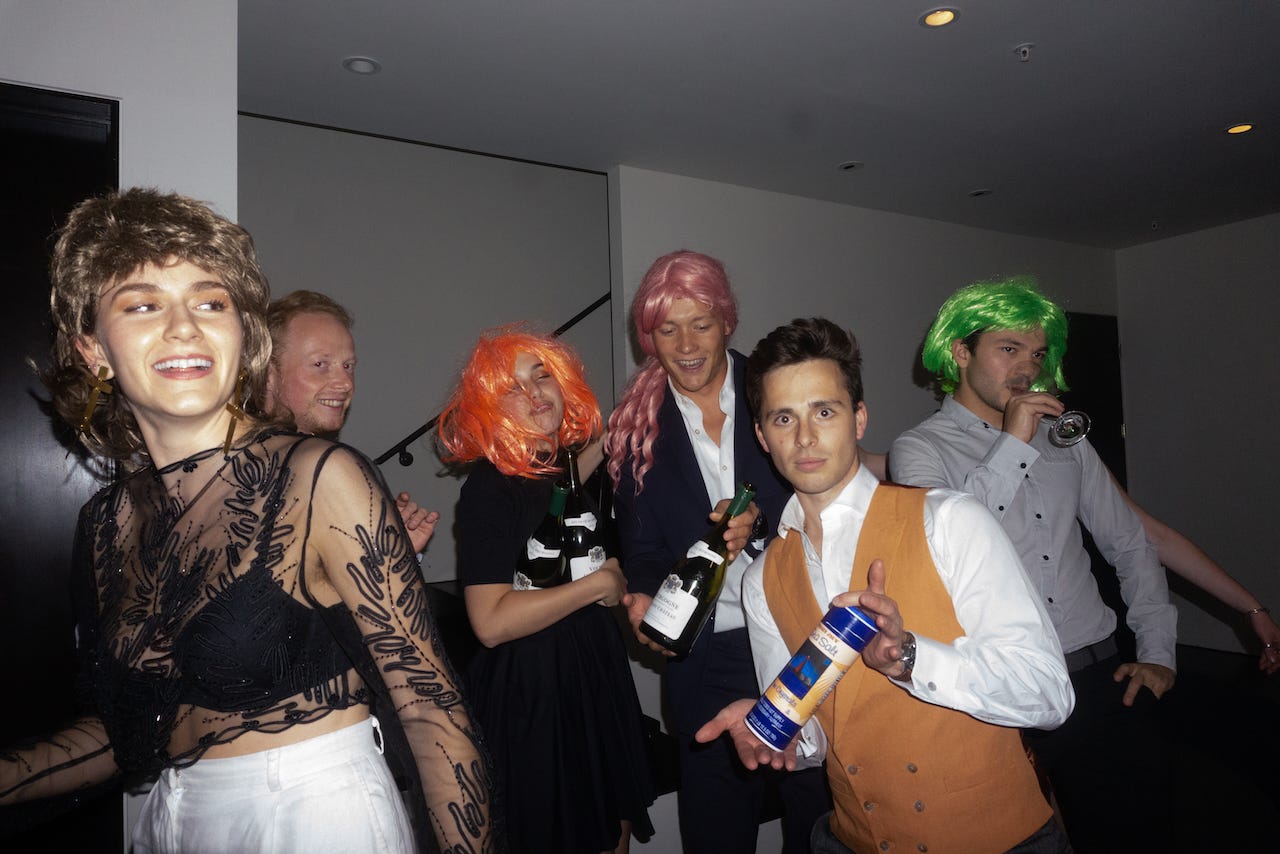
Candids are amazing. People move a lot and make ugly faces most of the time (especially when not posing), so you really have to take a million photos to get a couple of good ones, but they are oh so sweet when they work out.
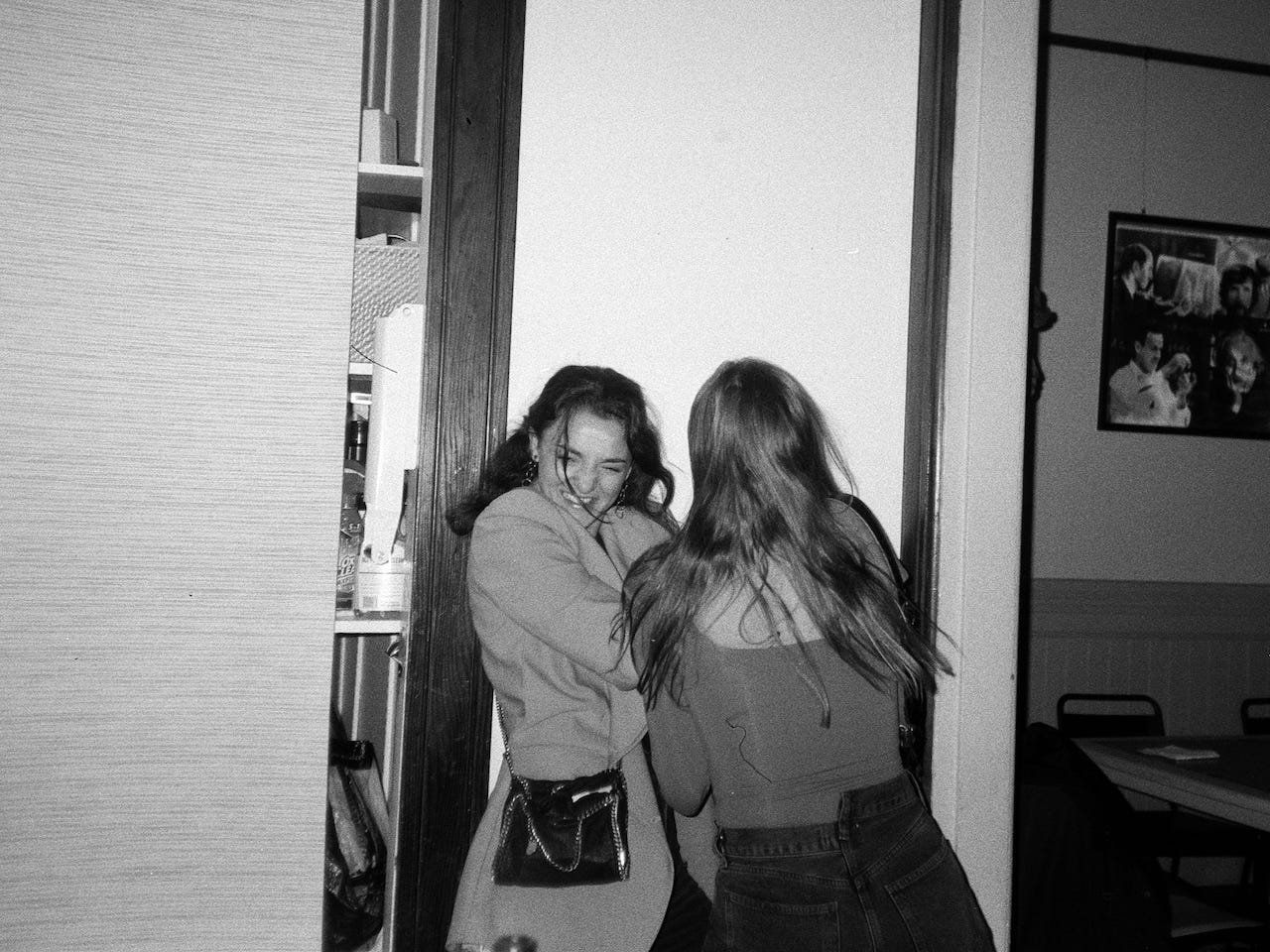
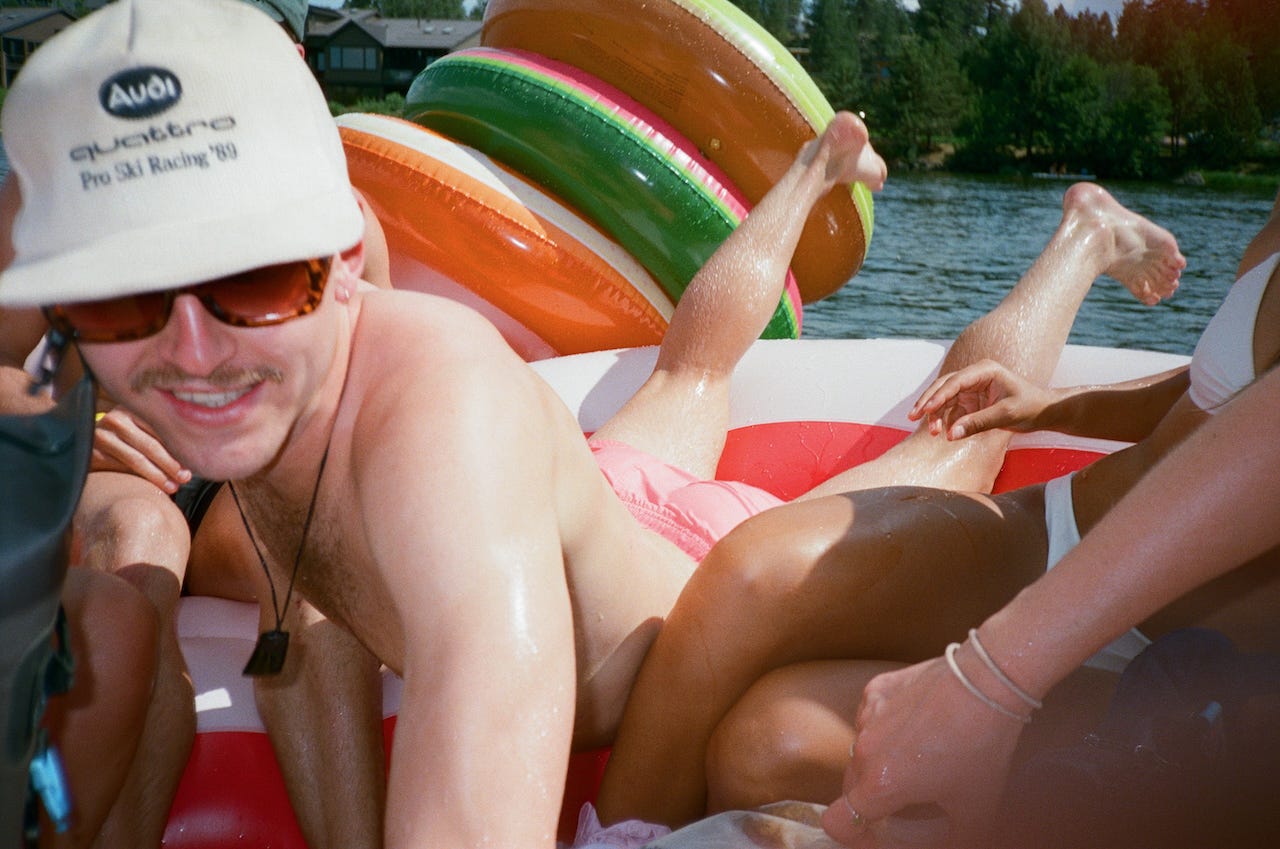
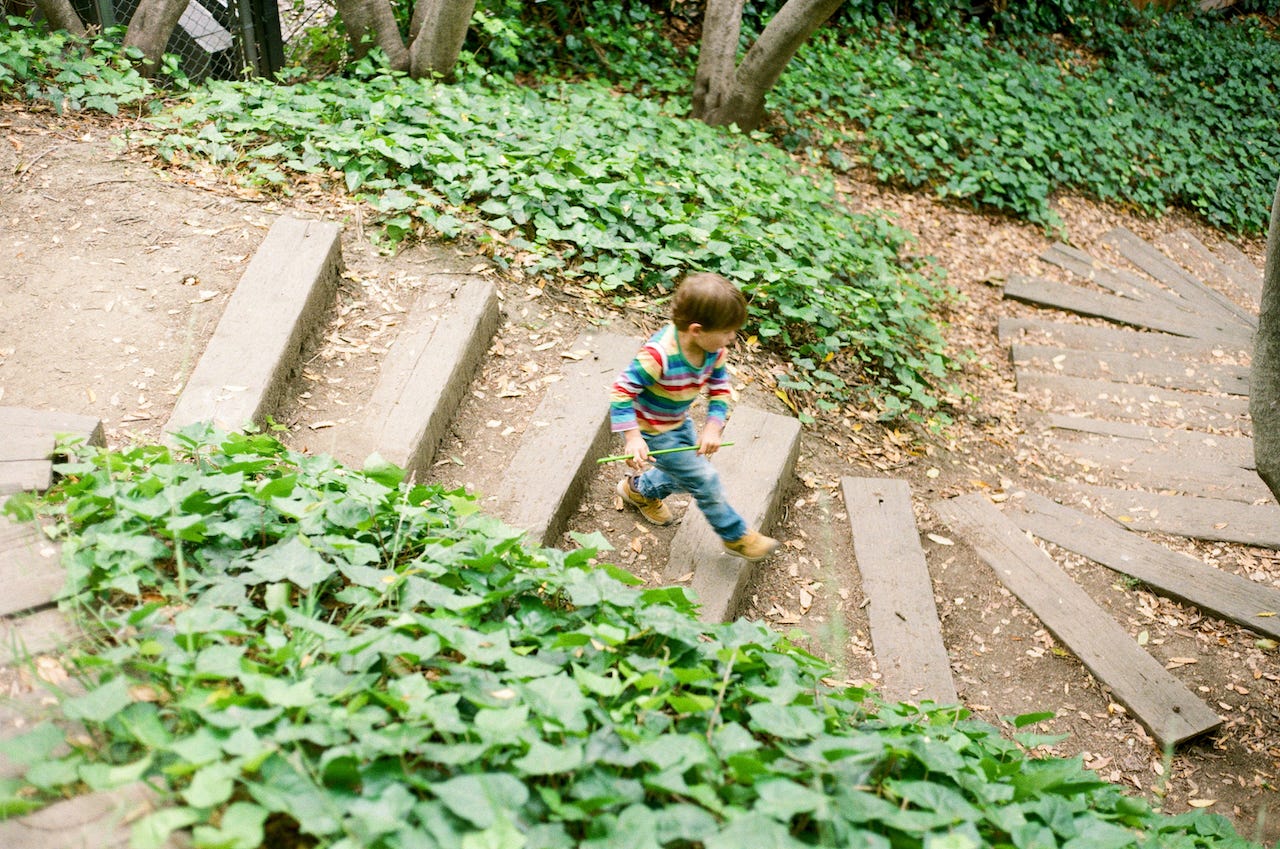
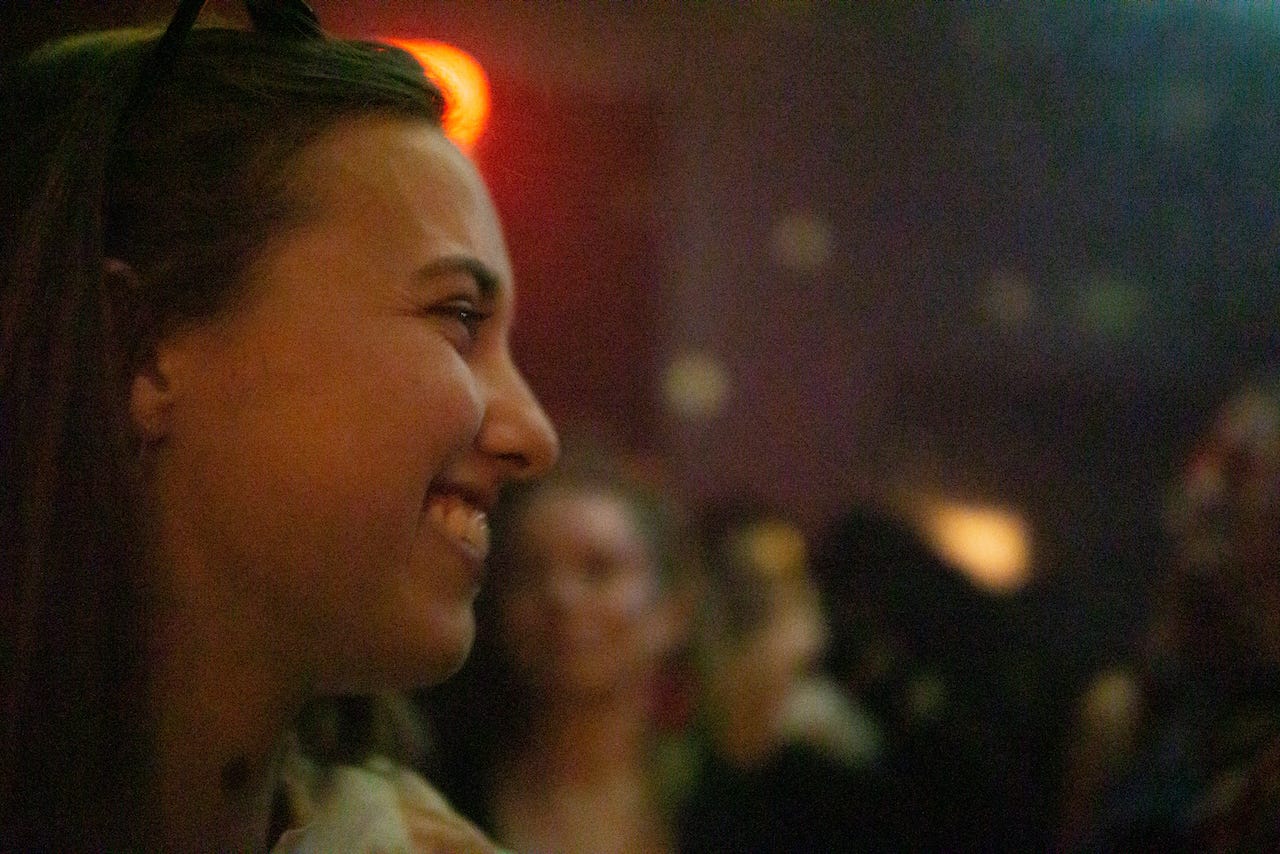
If you see a friend or stranger being completely in their element, take a picture. Capturing people at their most them is beautiful.
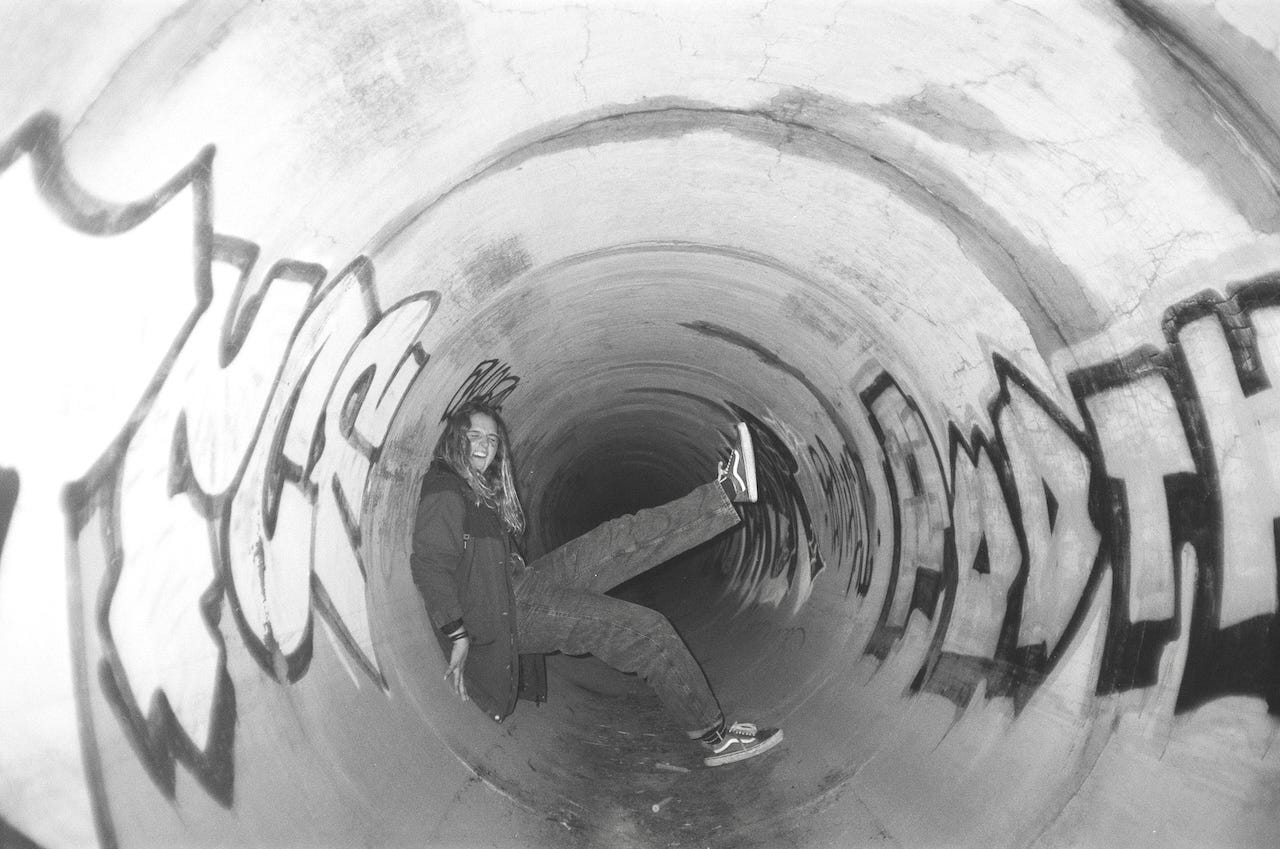
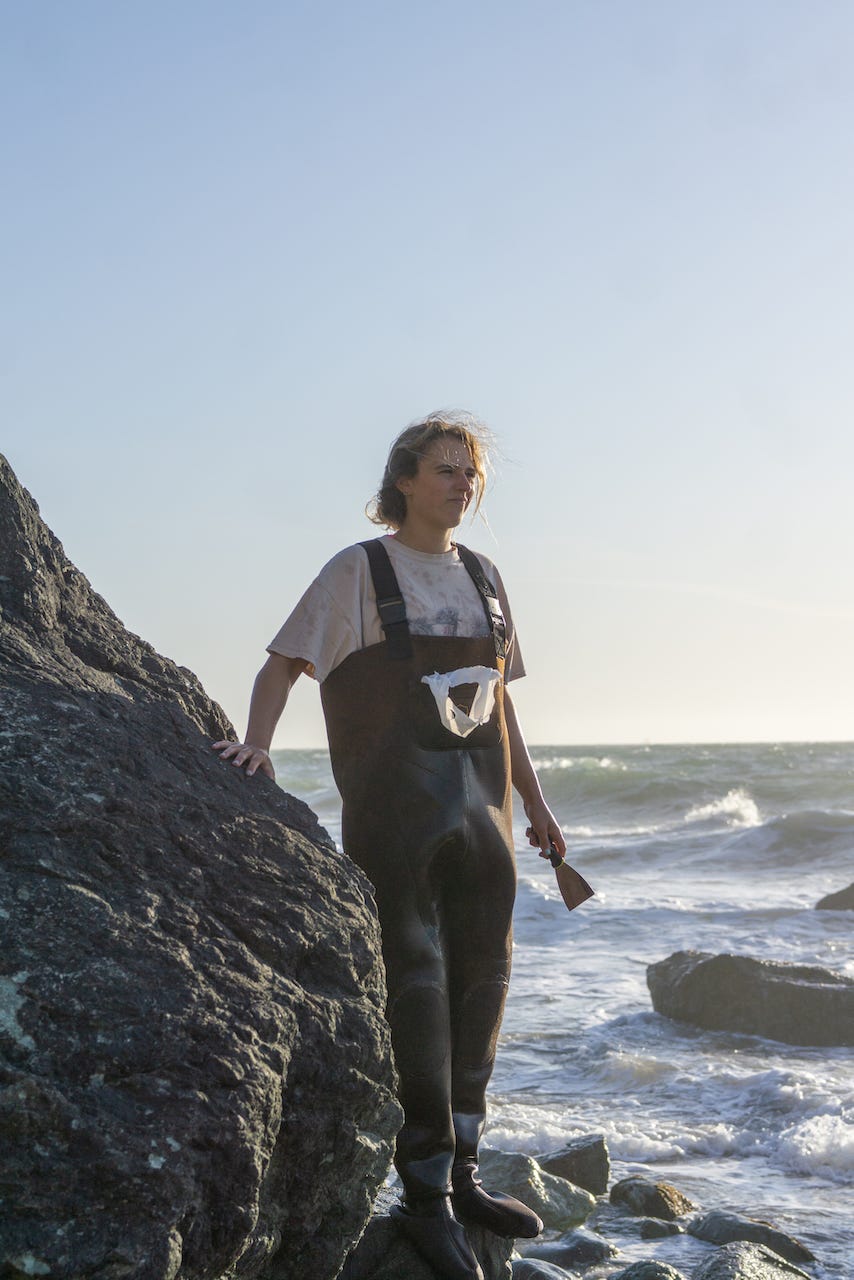
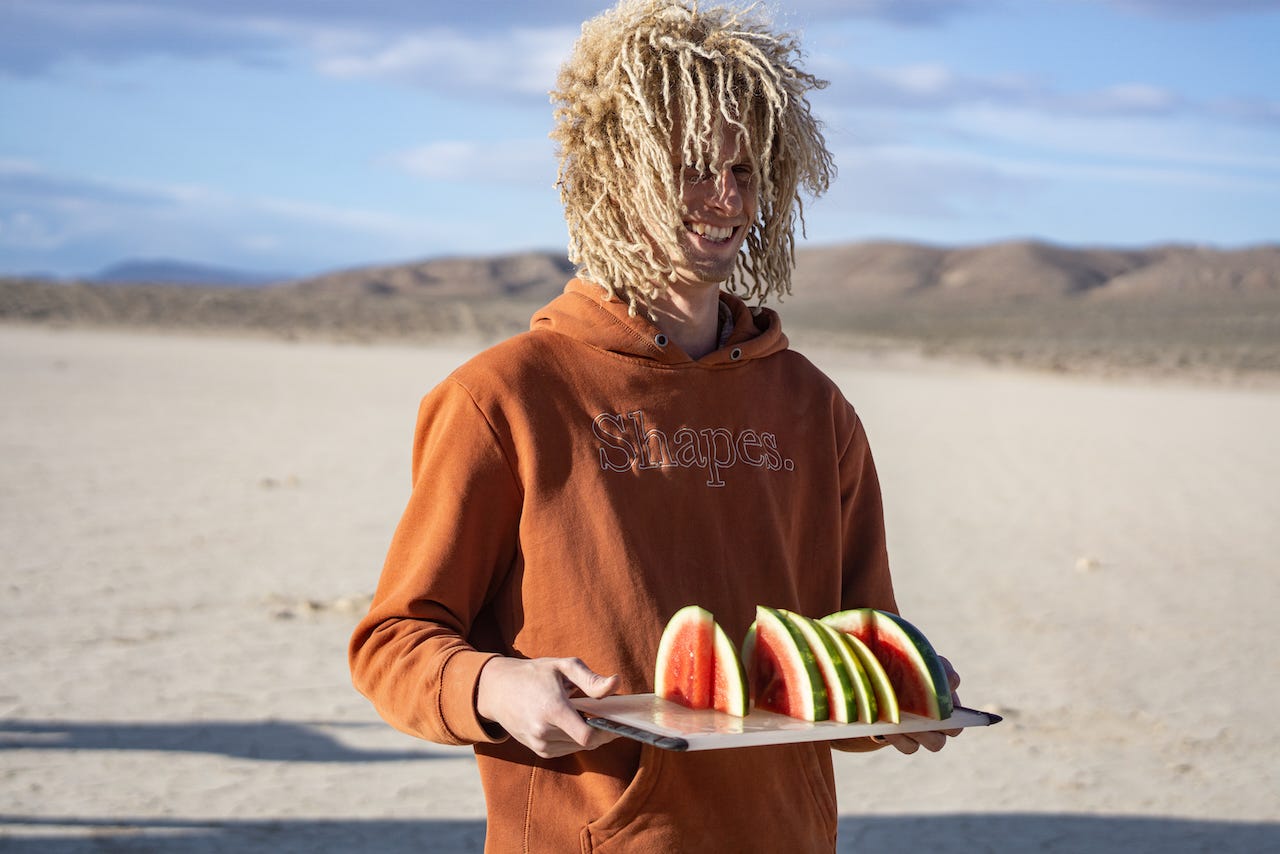
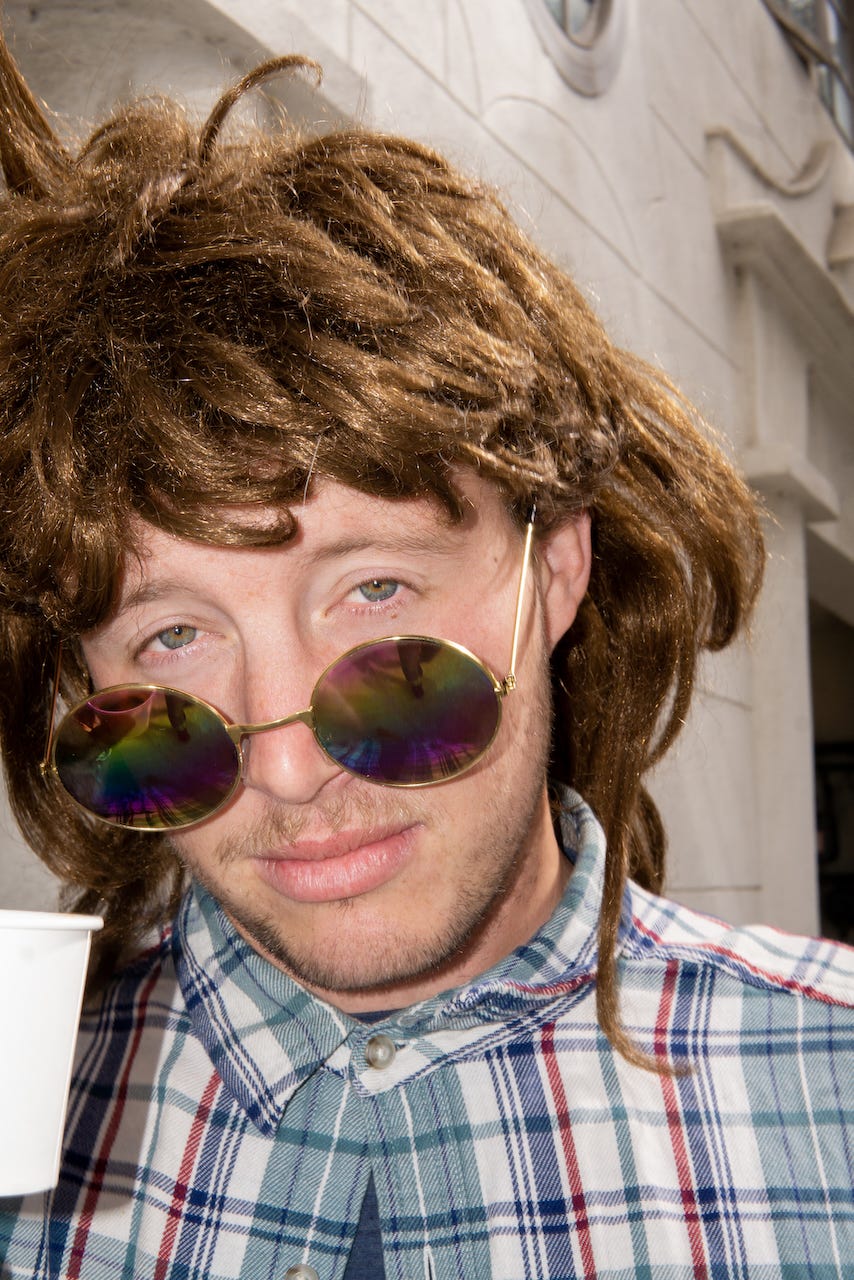
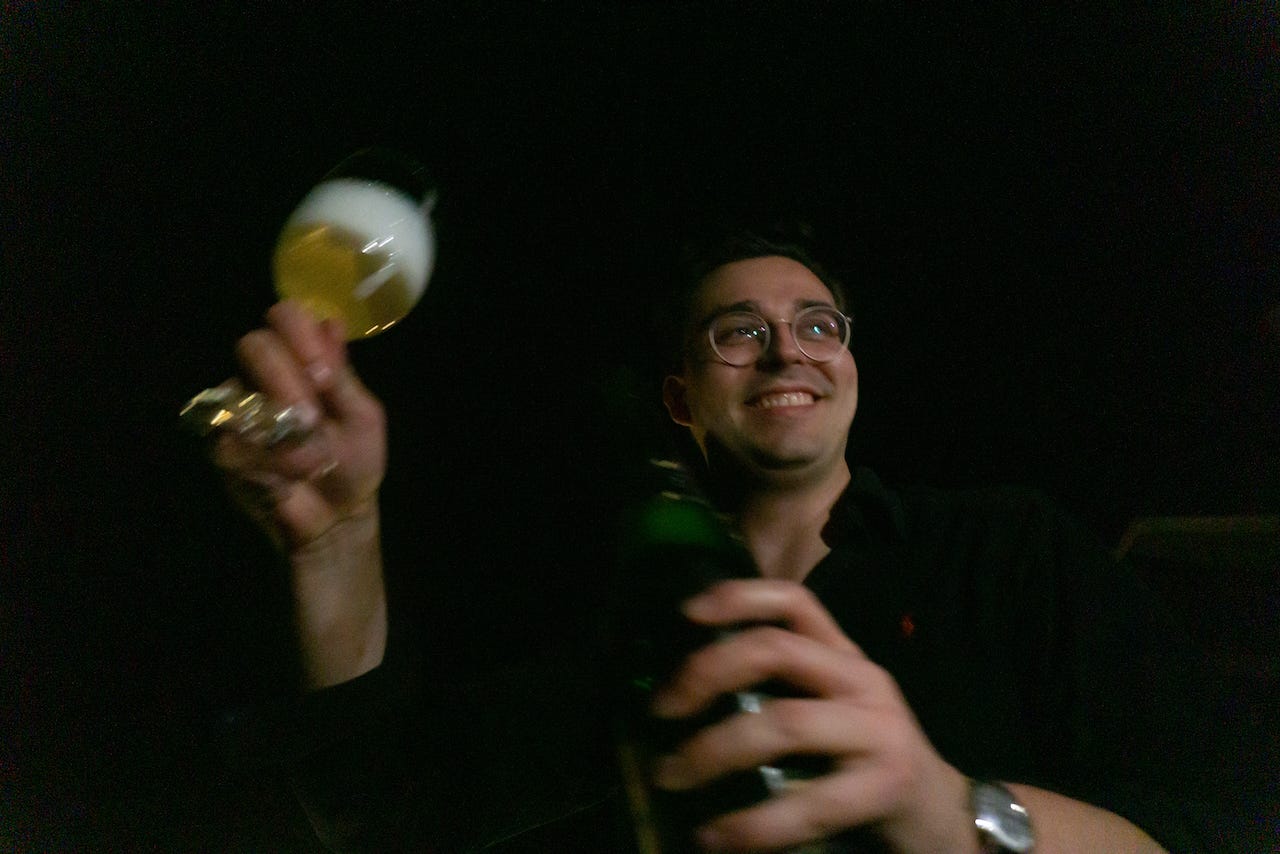
Every once in a while you’ll find yourself in a place with striking lighting or colors. Take advantage of it. Tell a friend that you want to try stuff out, and have them pose for you. Even if they’re not easy on the eyes (sorry Lukas) you can still create an interesting image with unique lighting. The last one here is actually the only photo I’ve ever taken in a professionally lit studio.
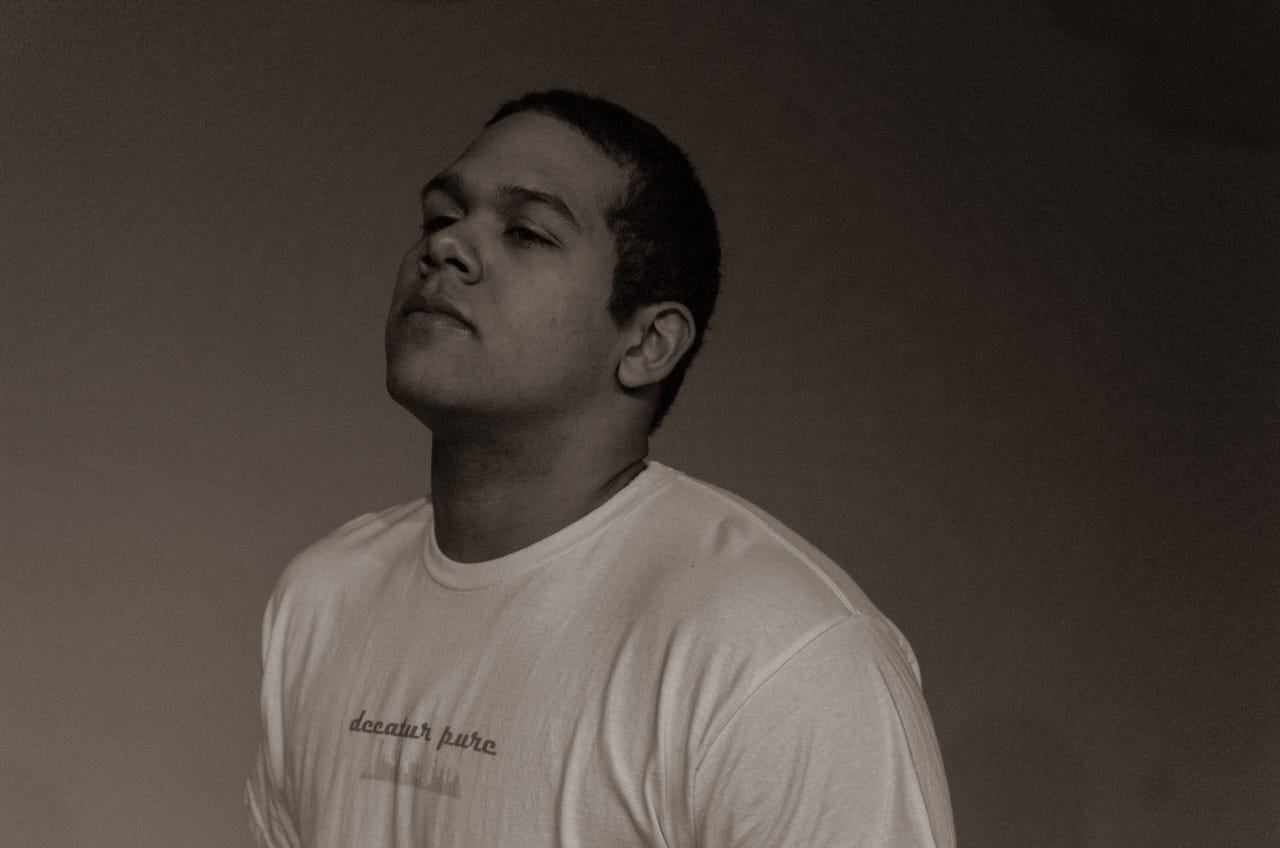
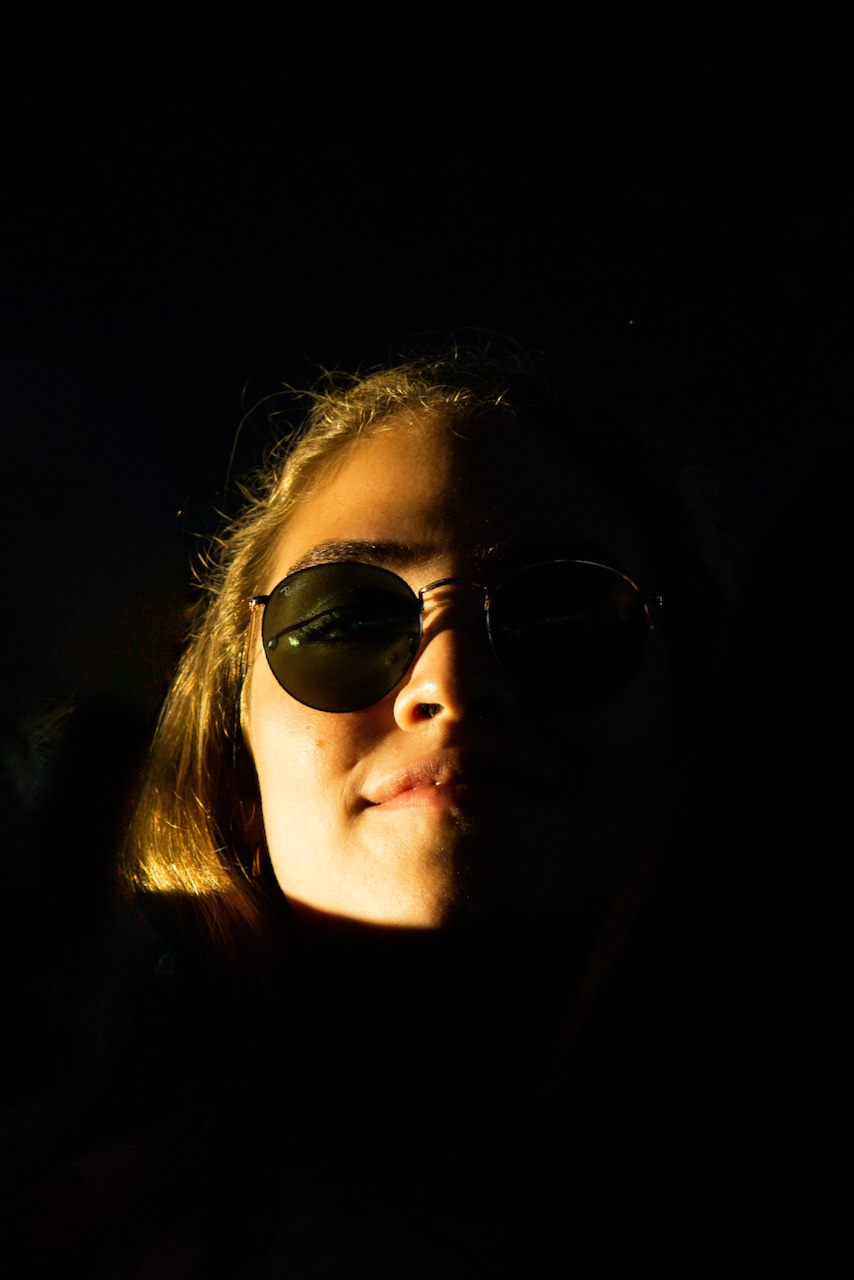
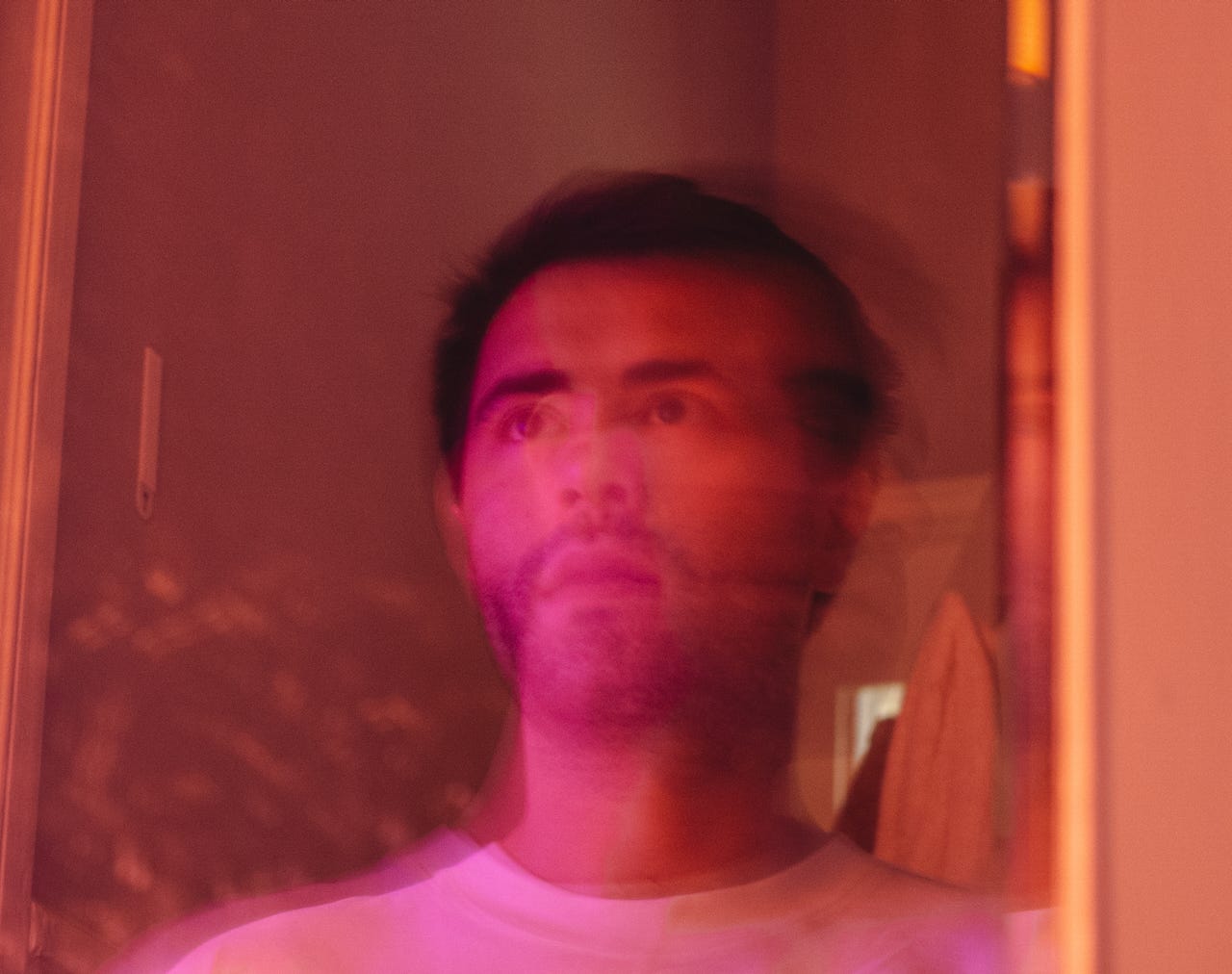
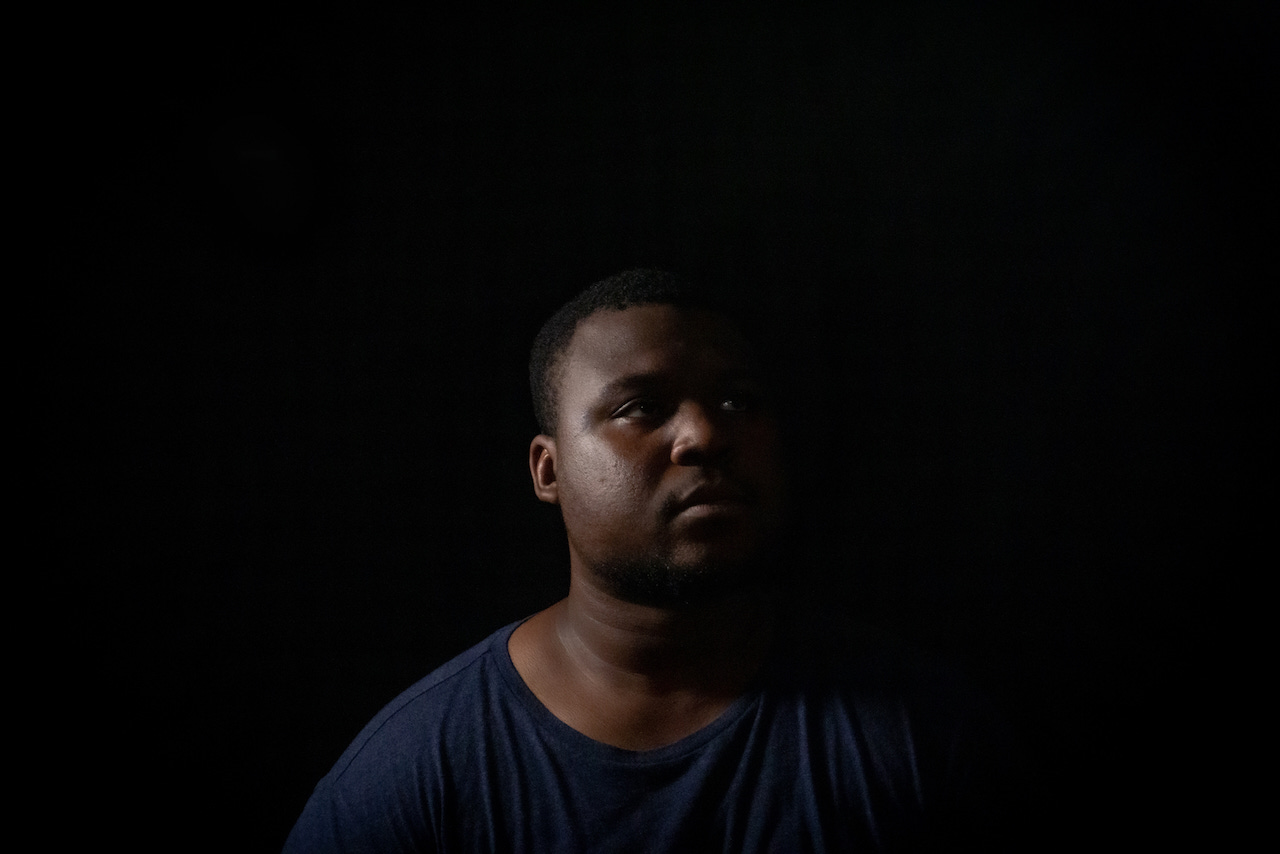
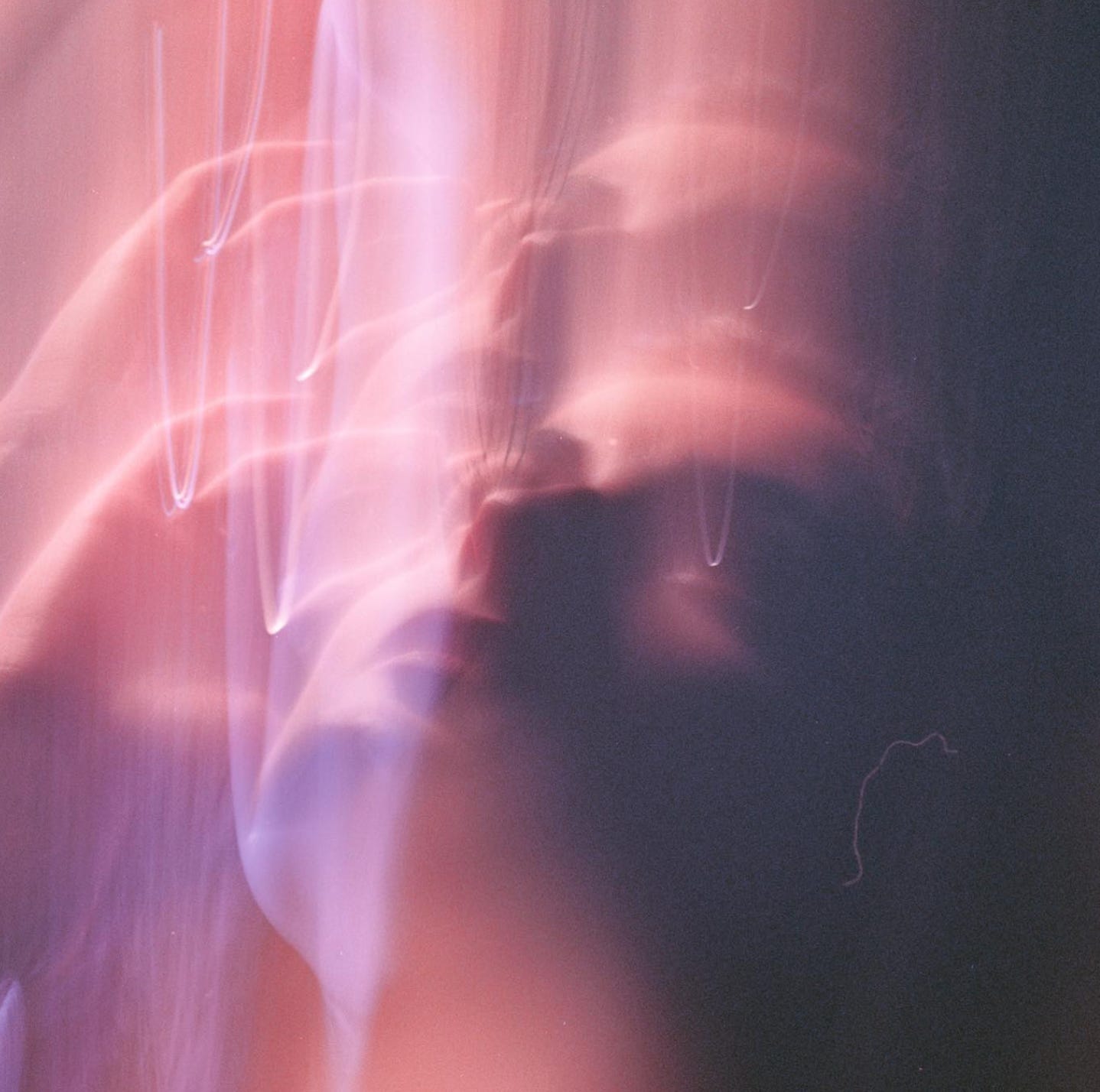
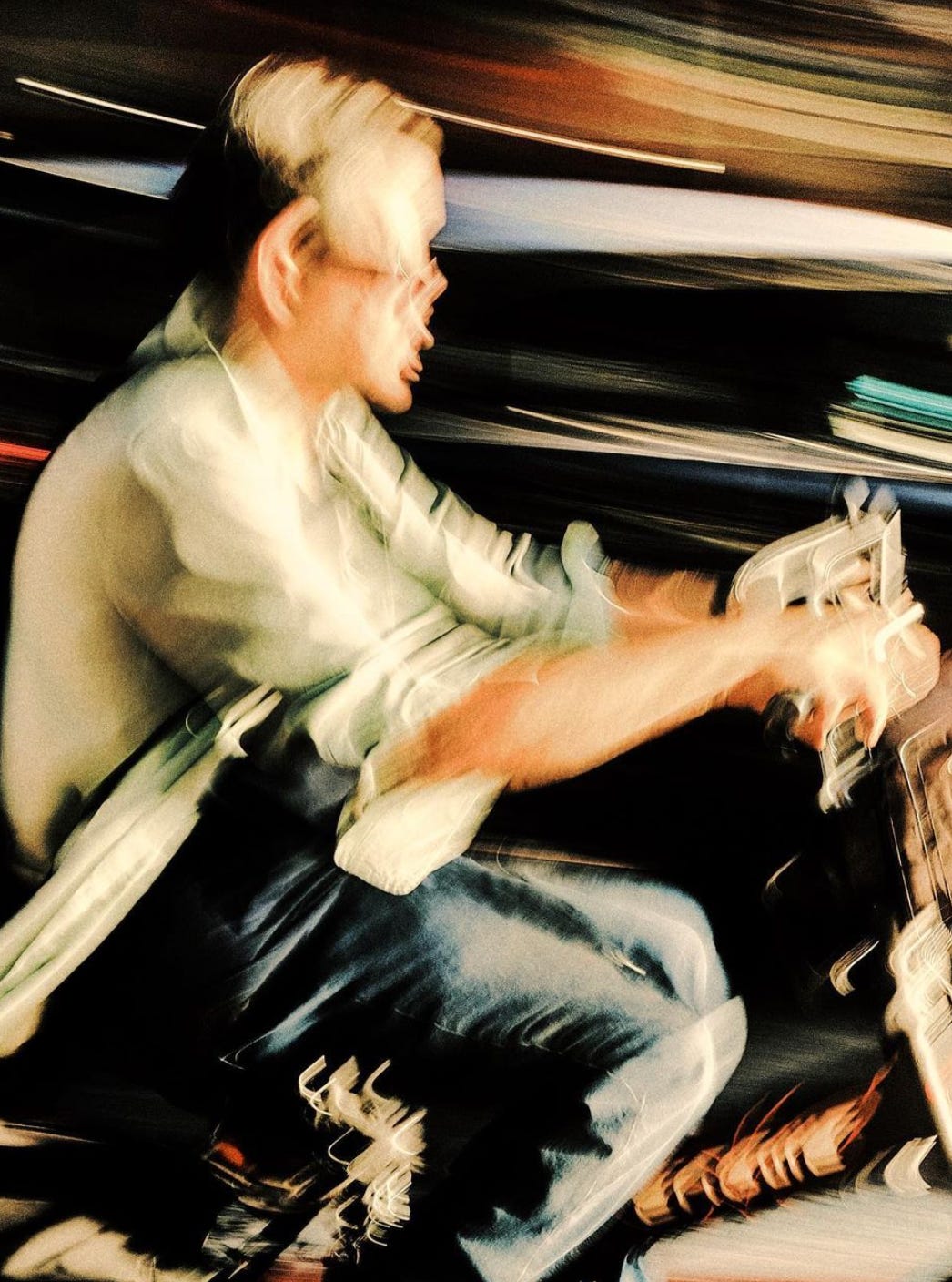
Focus is something I’ve been meaning to play around with, but it’s very difficult. Blurring subjects intentionally is a delicate art, and it’s easy to make it look like you don’t know how to focus your camera rather than a deliberate artistic choice.
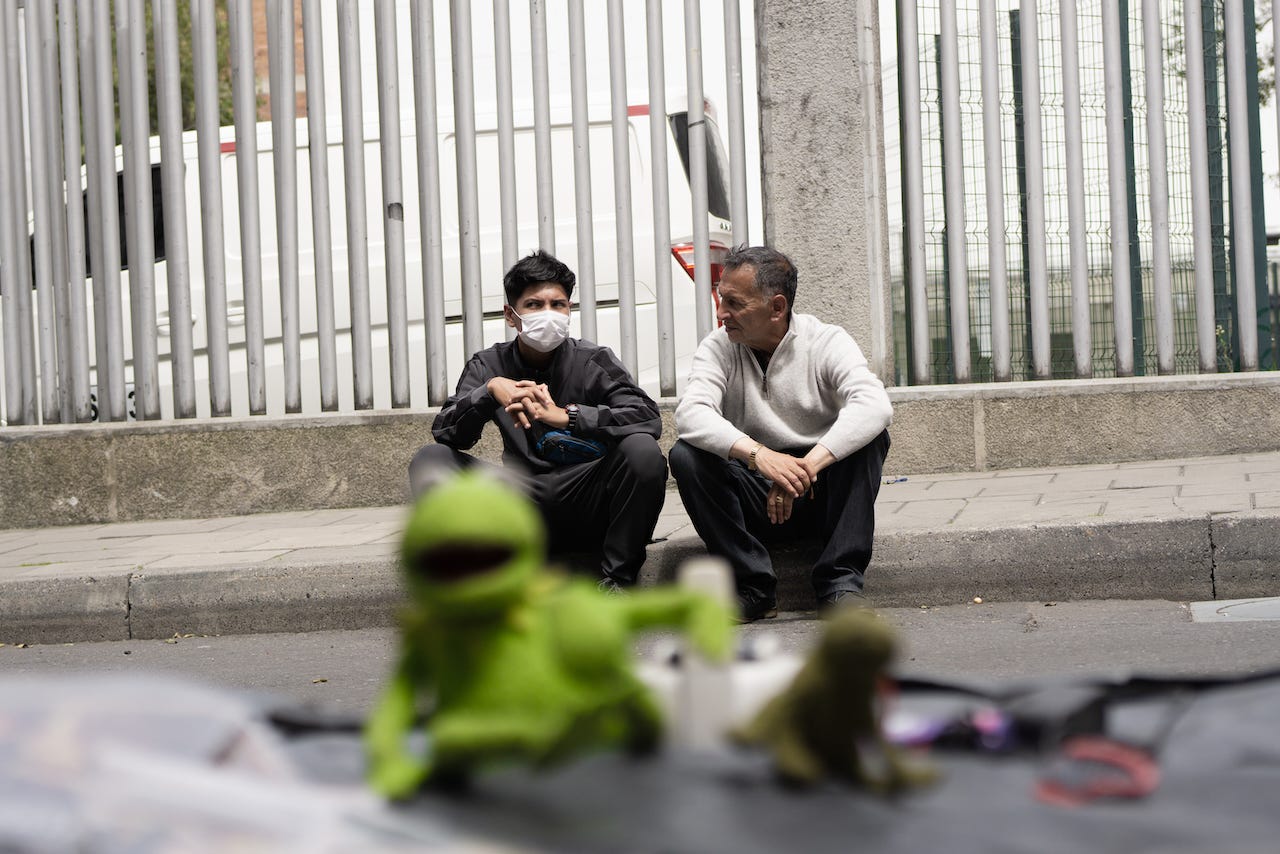
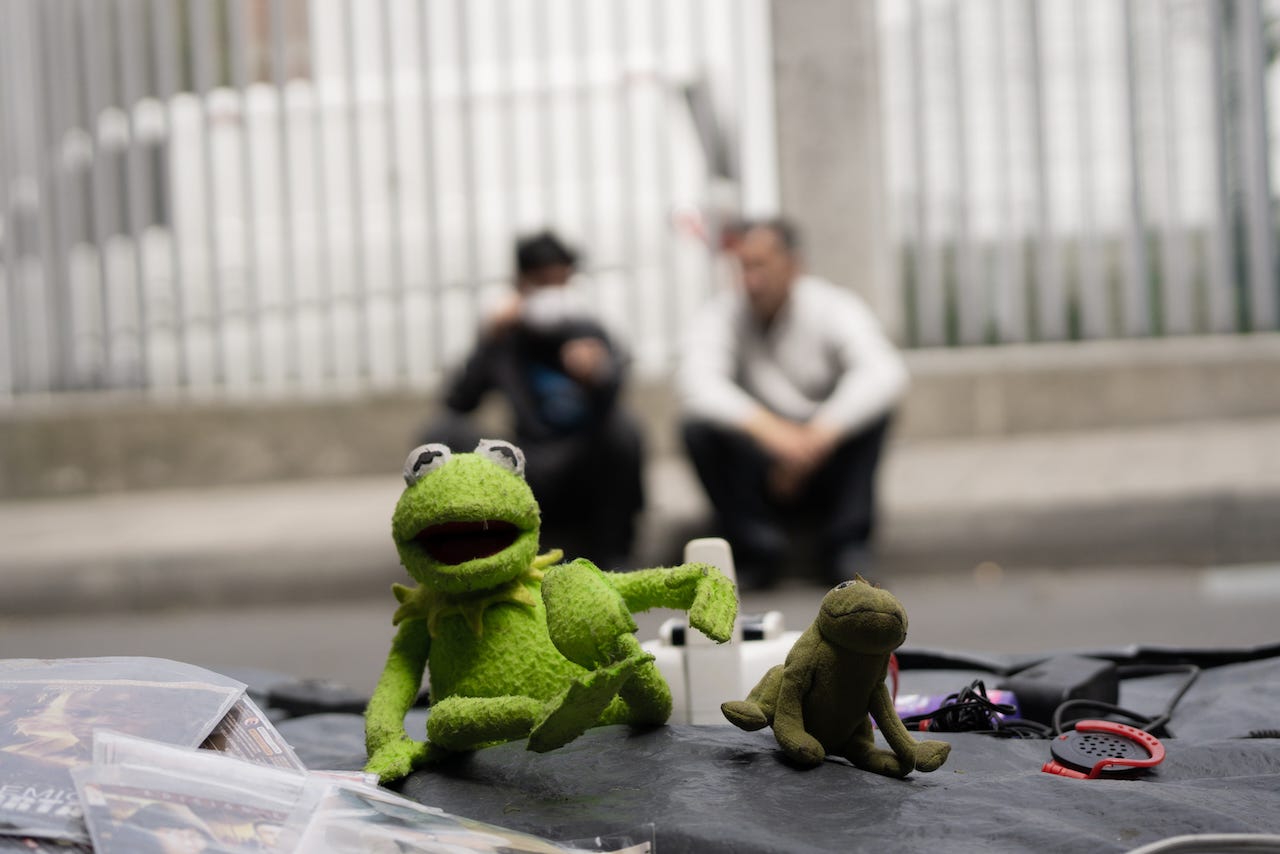
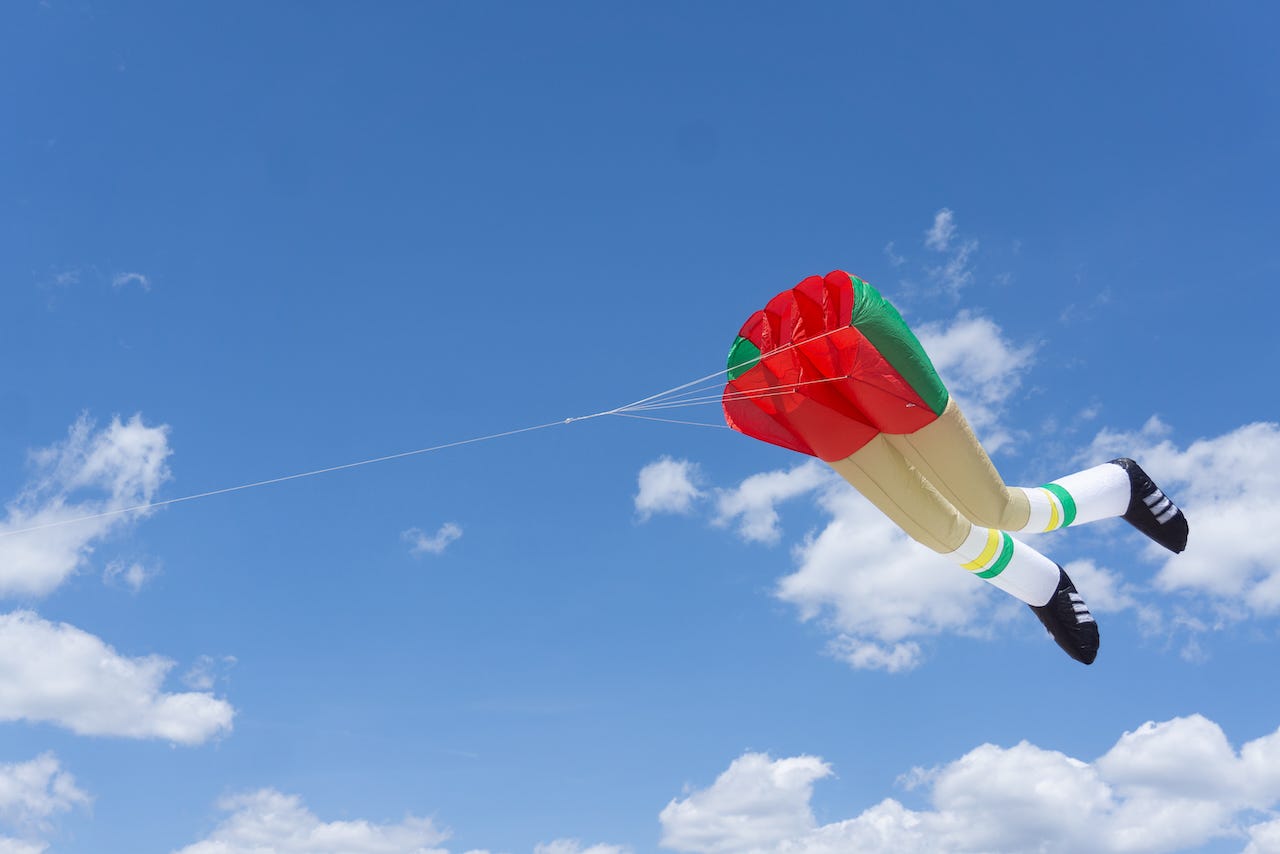
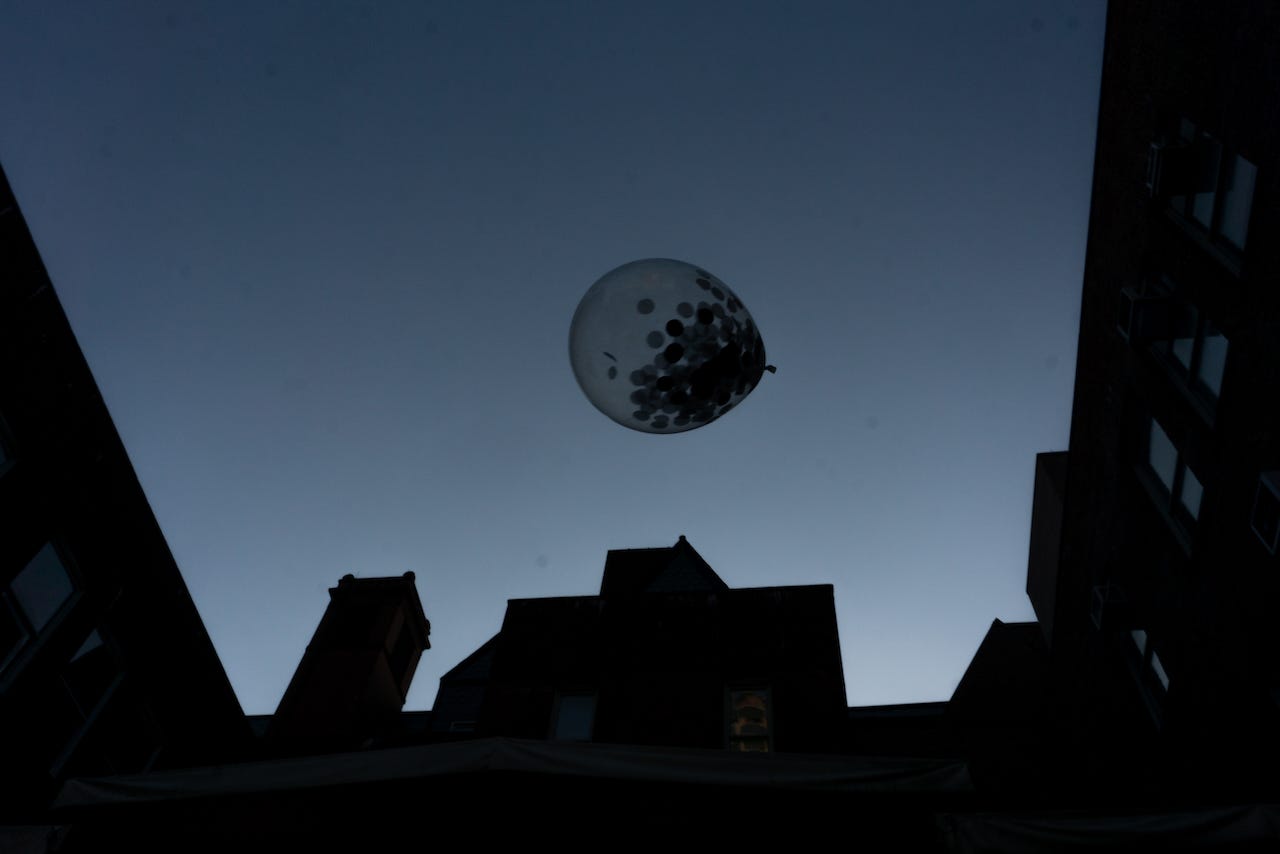
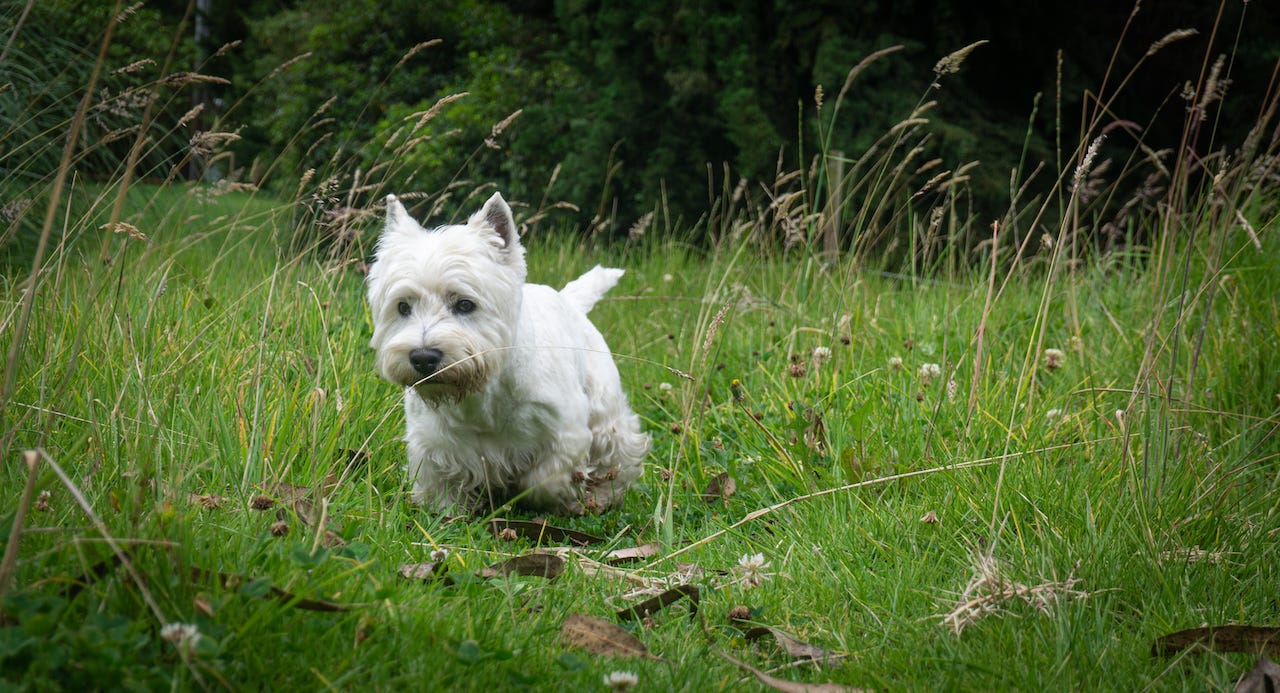
Applying all these principles to non-humans is great. How can we give human emotions and expression to a balloon, a dog, a kite shaped like pants?
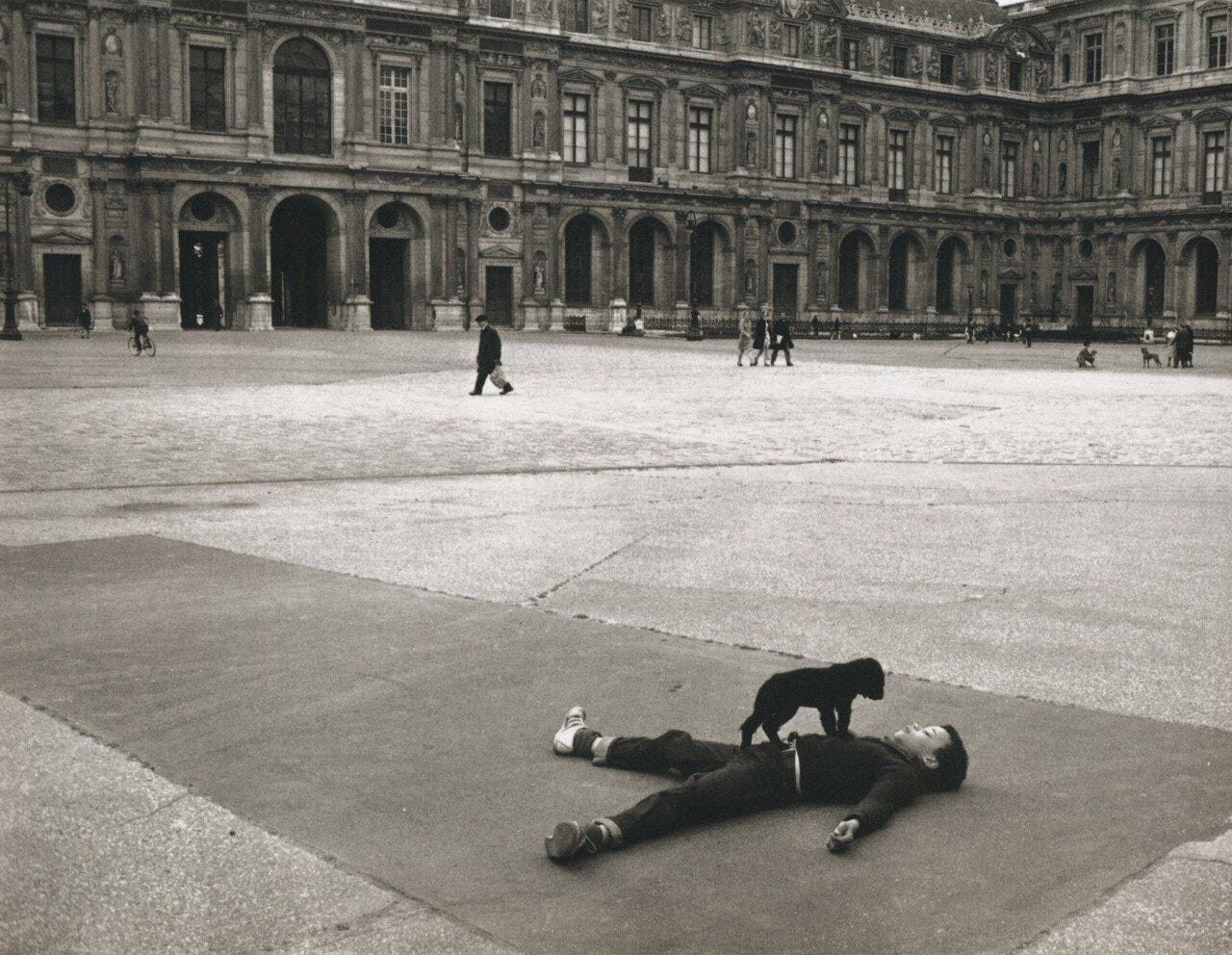
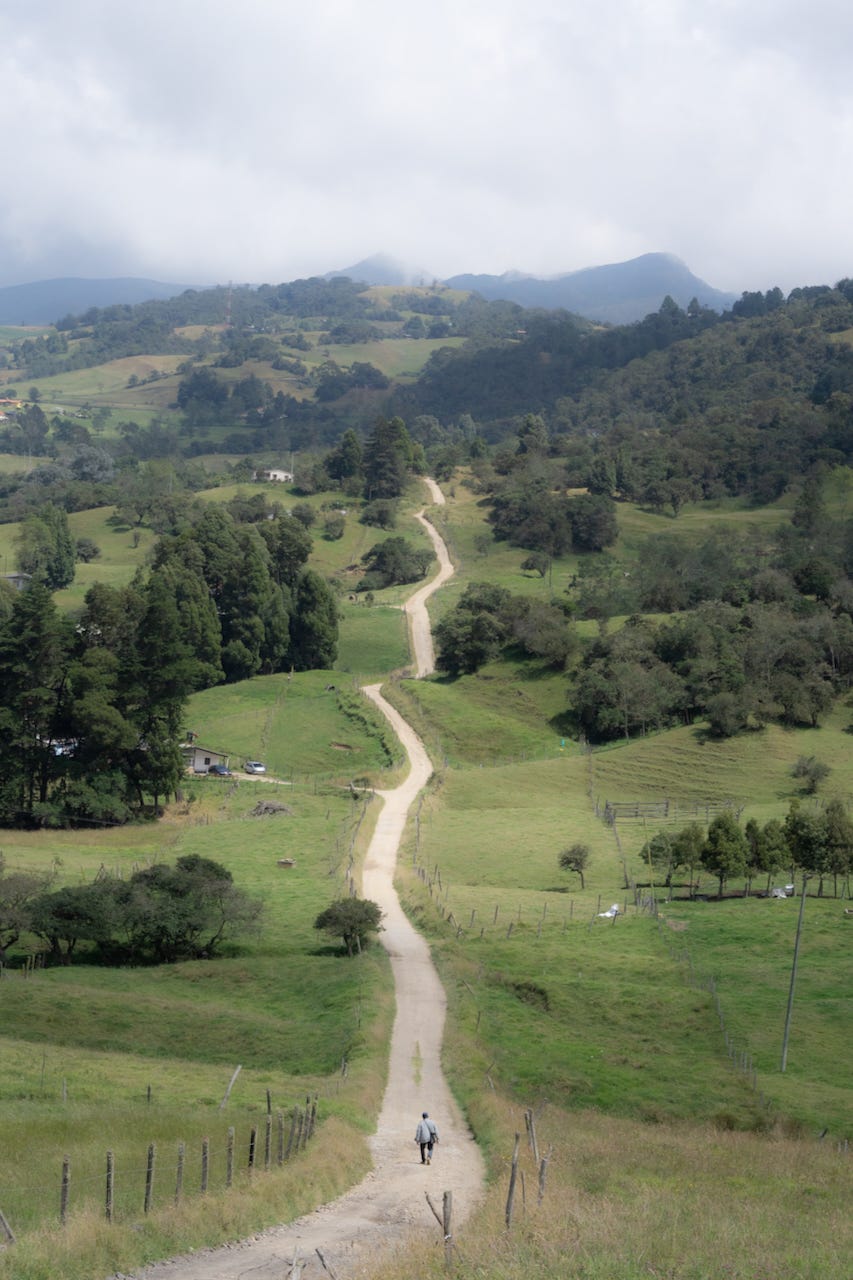
There are some portraits that are not photos of people, but rather portraits of scenes, of moments in time. They happen to have humans in them, but the human is not really the story, the place and time is the story.
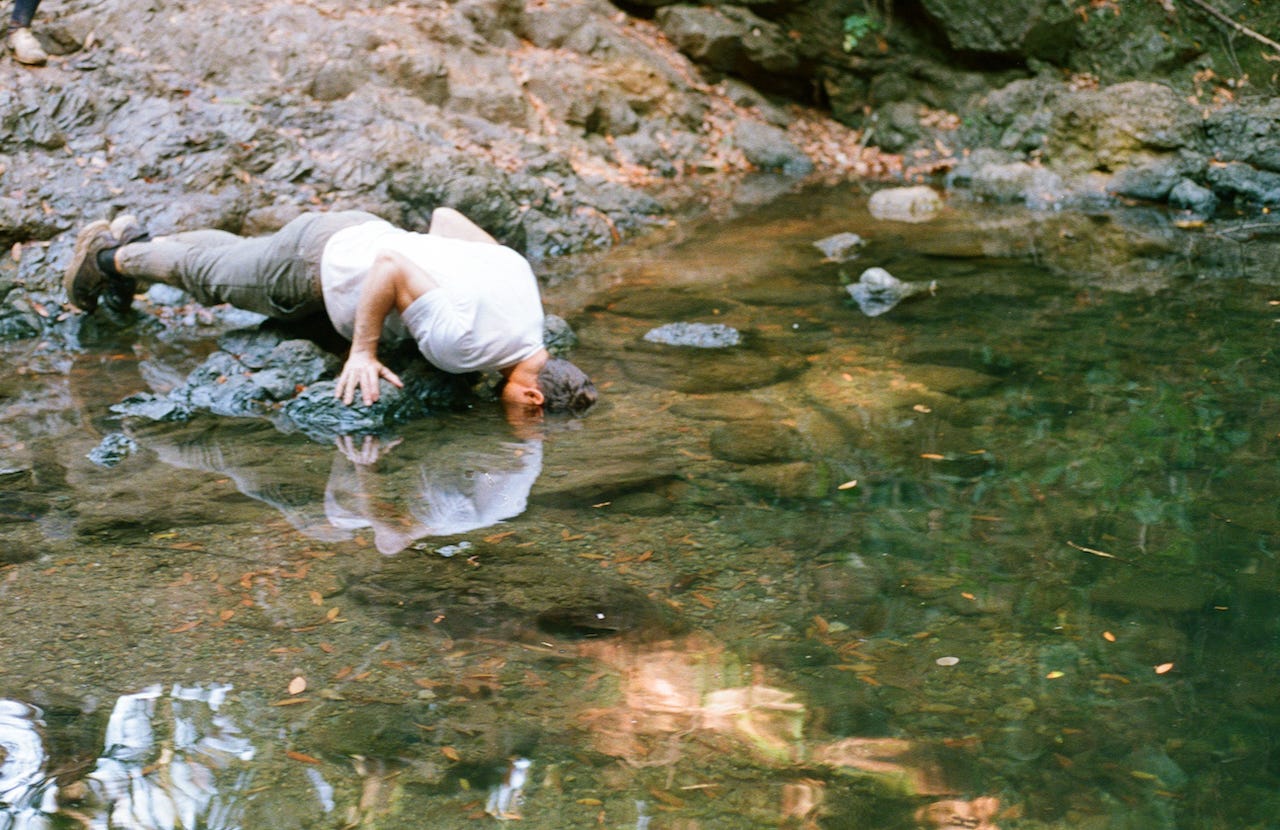
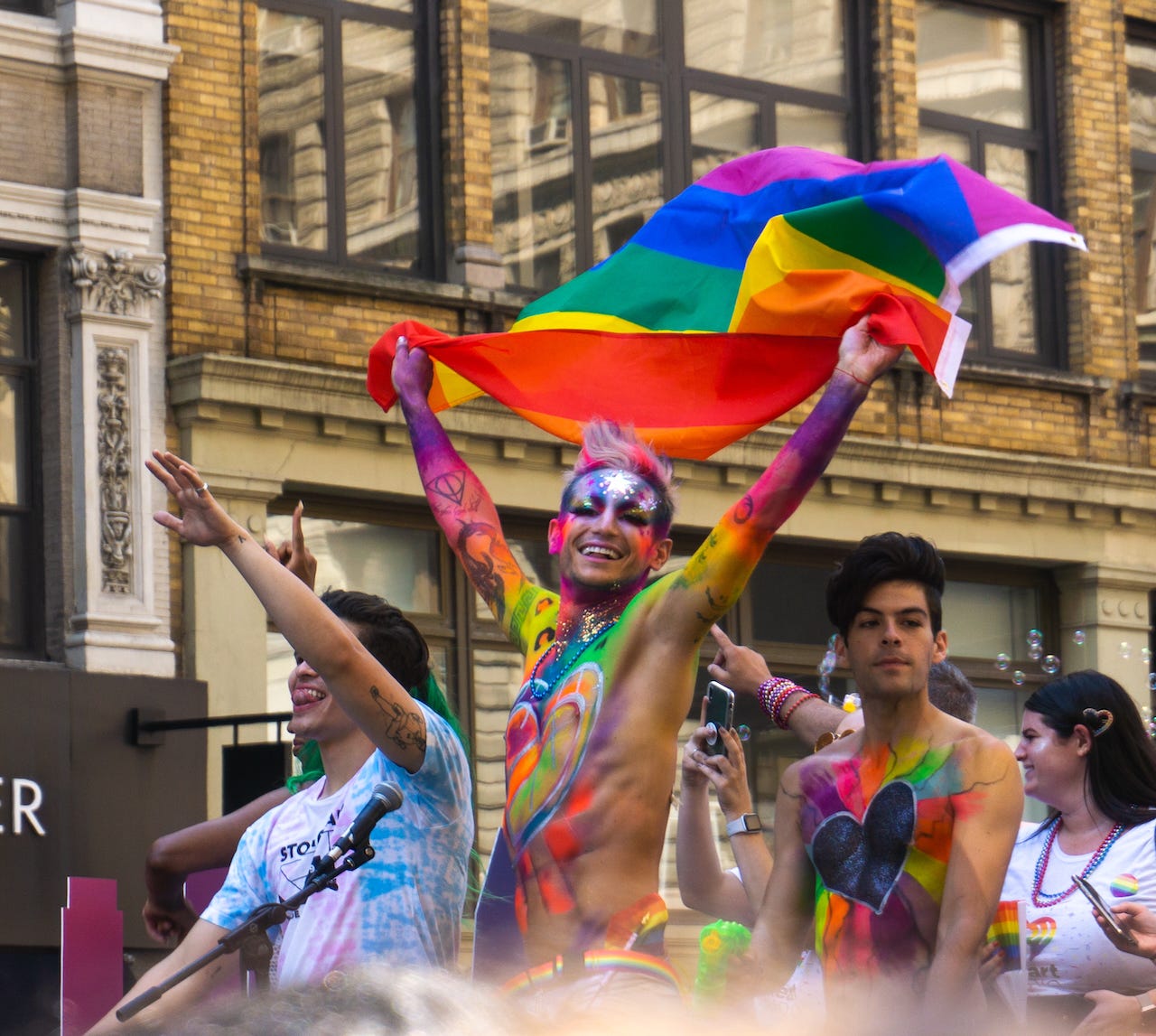
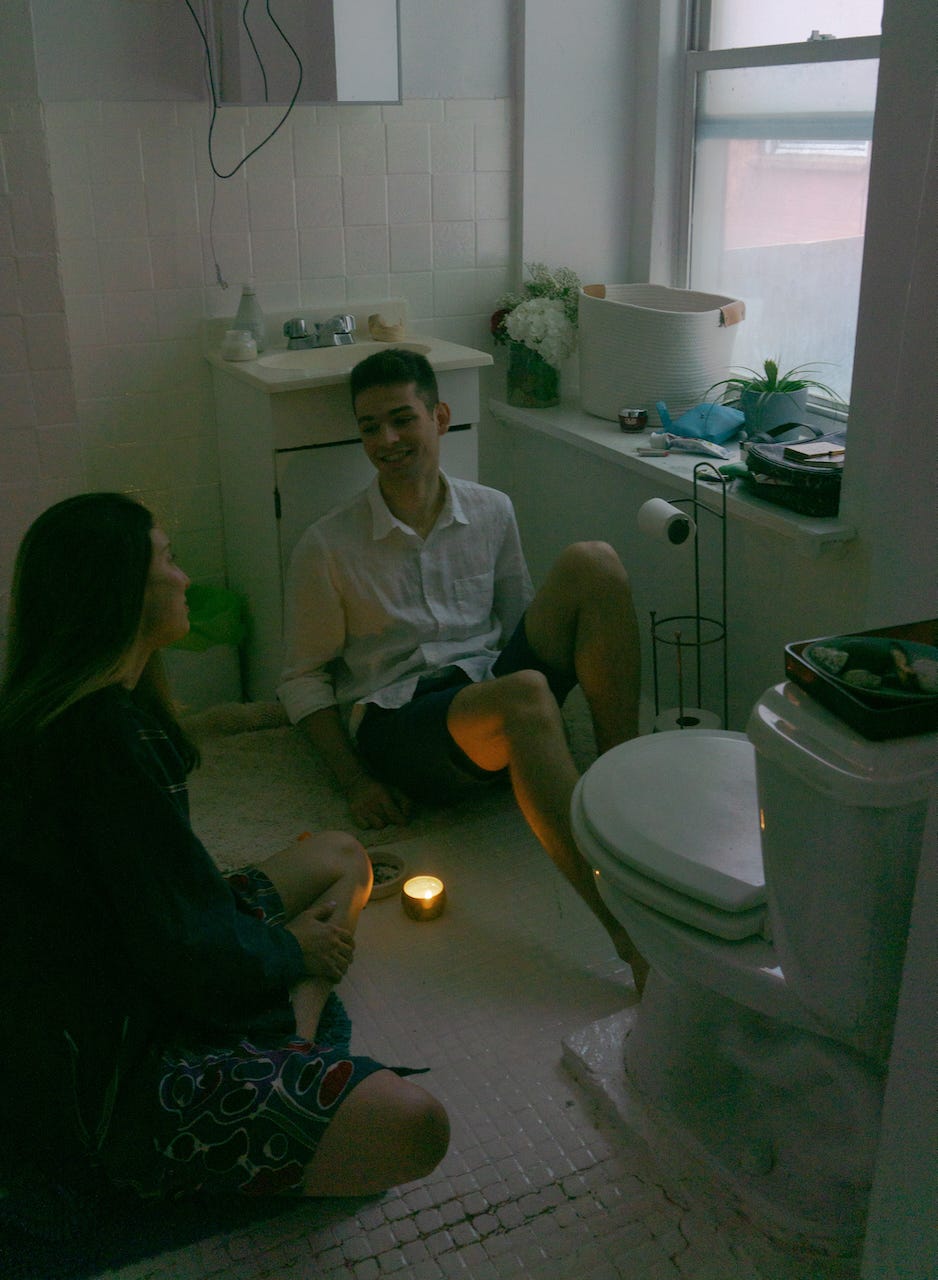
And finally, by god, don’t get too caught up in your bullshit and take the pictures you like taking. Don’t listen to the photobook, or the blog post, or the newsletter telling you what to do. Go out with your camera (iPhones are the best cameras) and take pictures of those around you. Capturing your friends and loved ones is one of the most beautiful things you can do for them and for yourself. Print the pictures, hold them close.
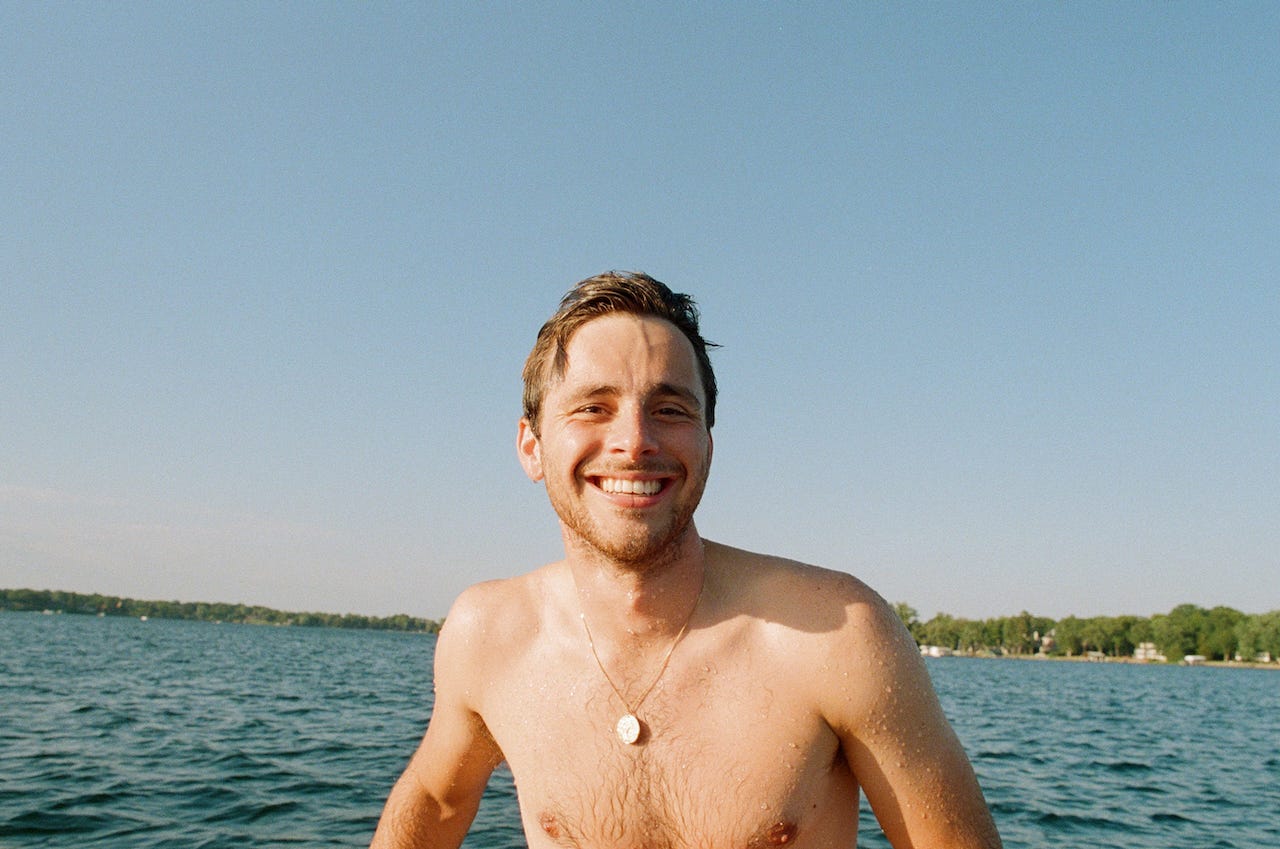
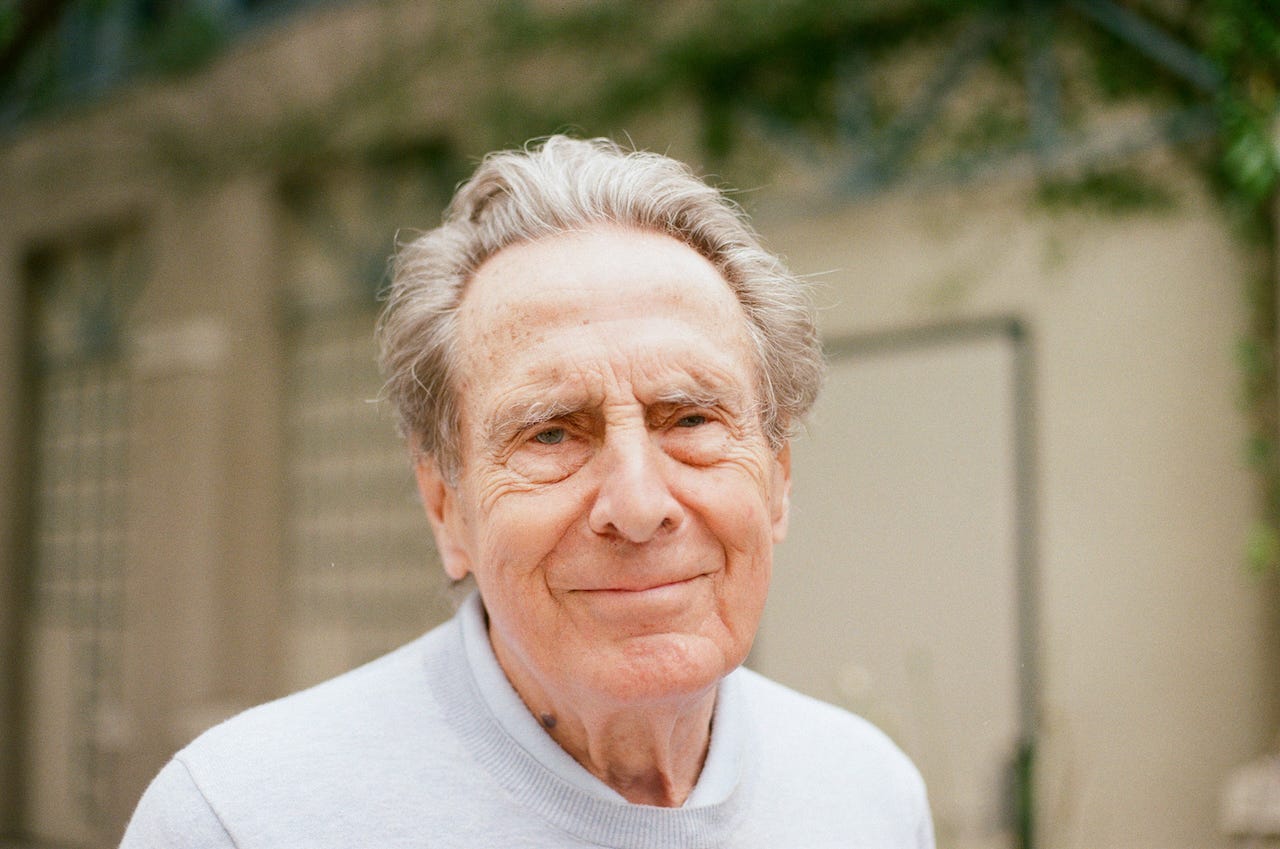
That’s it. I hope you enjoyed taking a look at some of my best portraits. I hope to take more and more as I evolve, and being more direct about asking people to let me take photos of them.
I’ll be in Bogota most of December, I’d love to see anyone that’s there :)
As always, thanks for reading! Go and take some nice pictures of your friends and family (and your sorority).
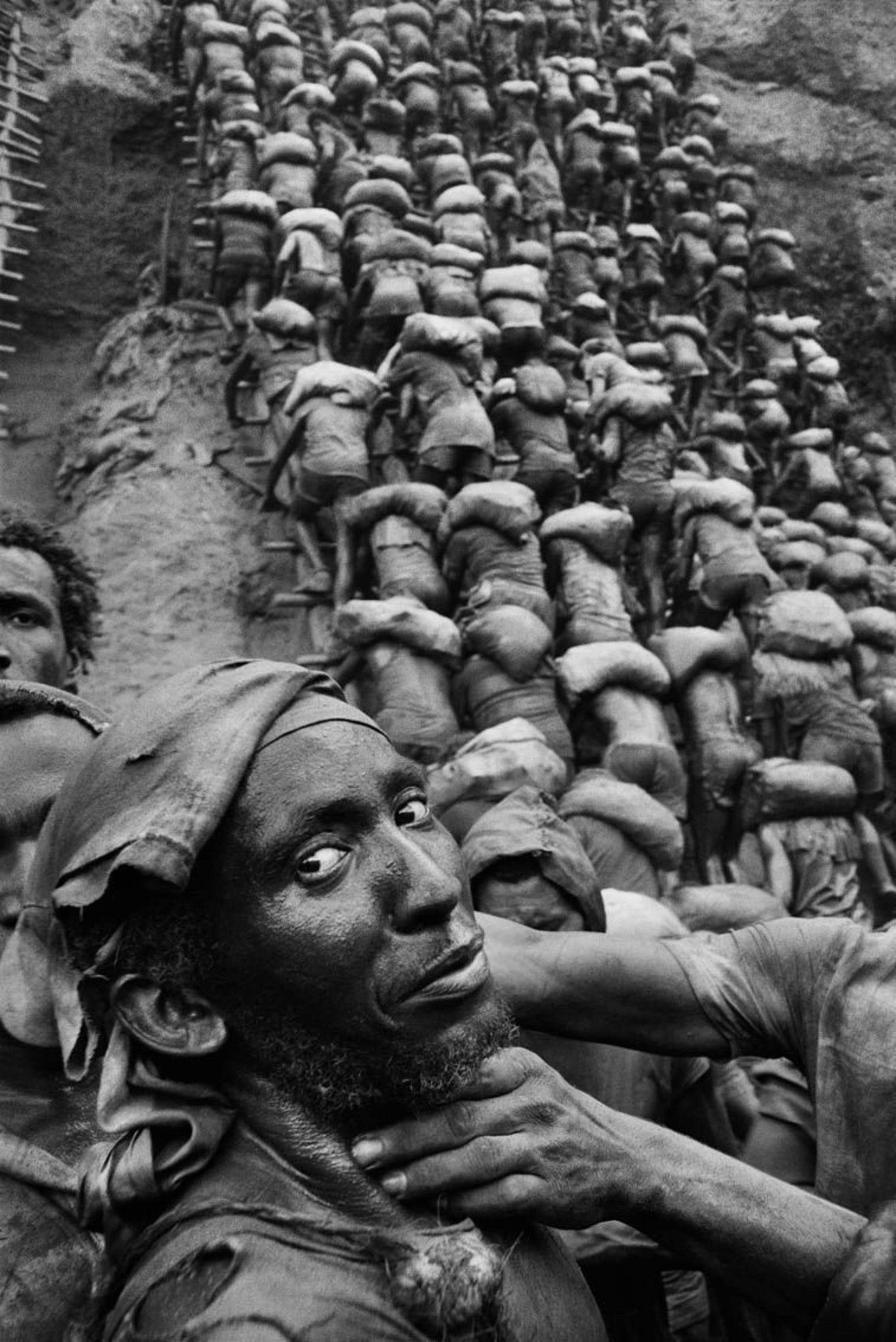
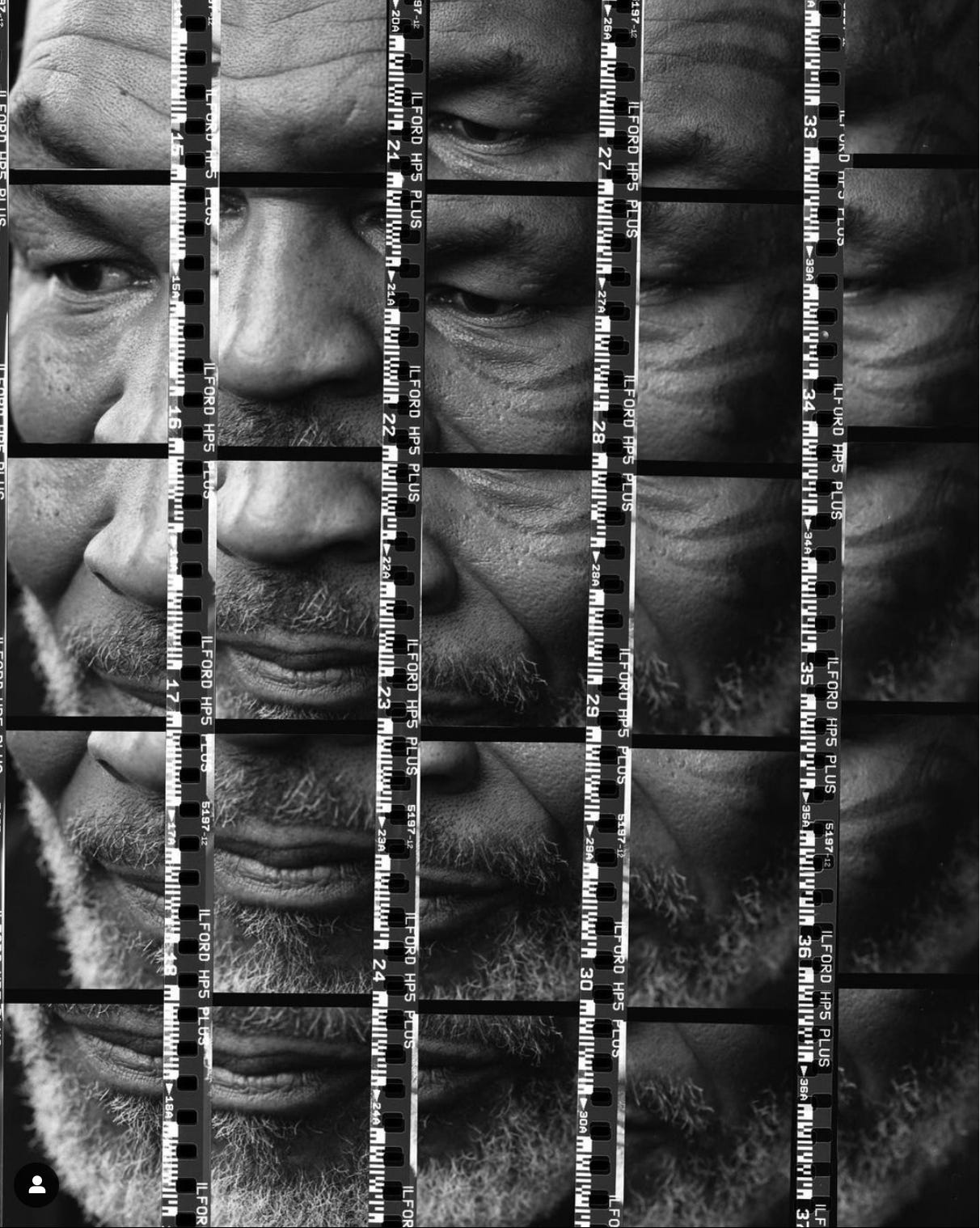
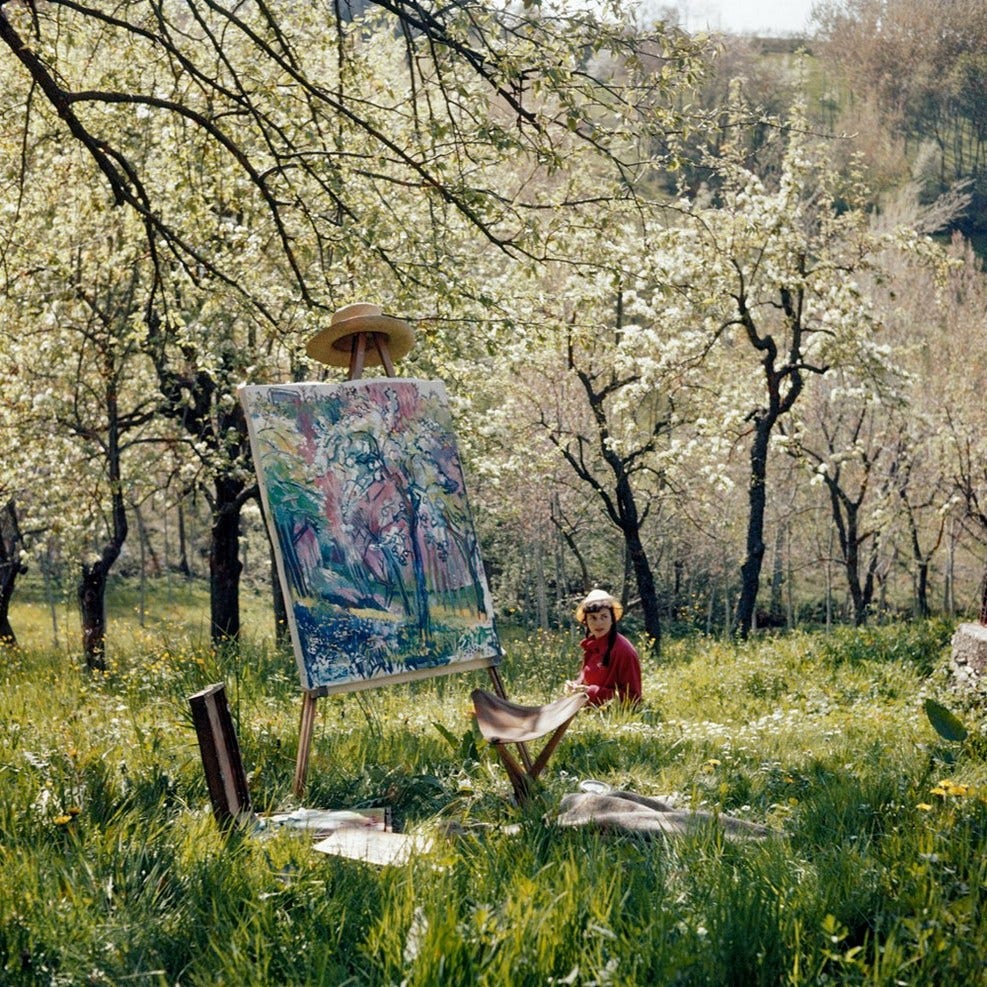
I also want to share some of my favourite portraits taken by other photographers. Standing on their shoulders, this is what masters of photography can do.